
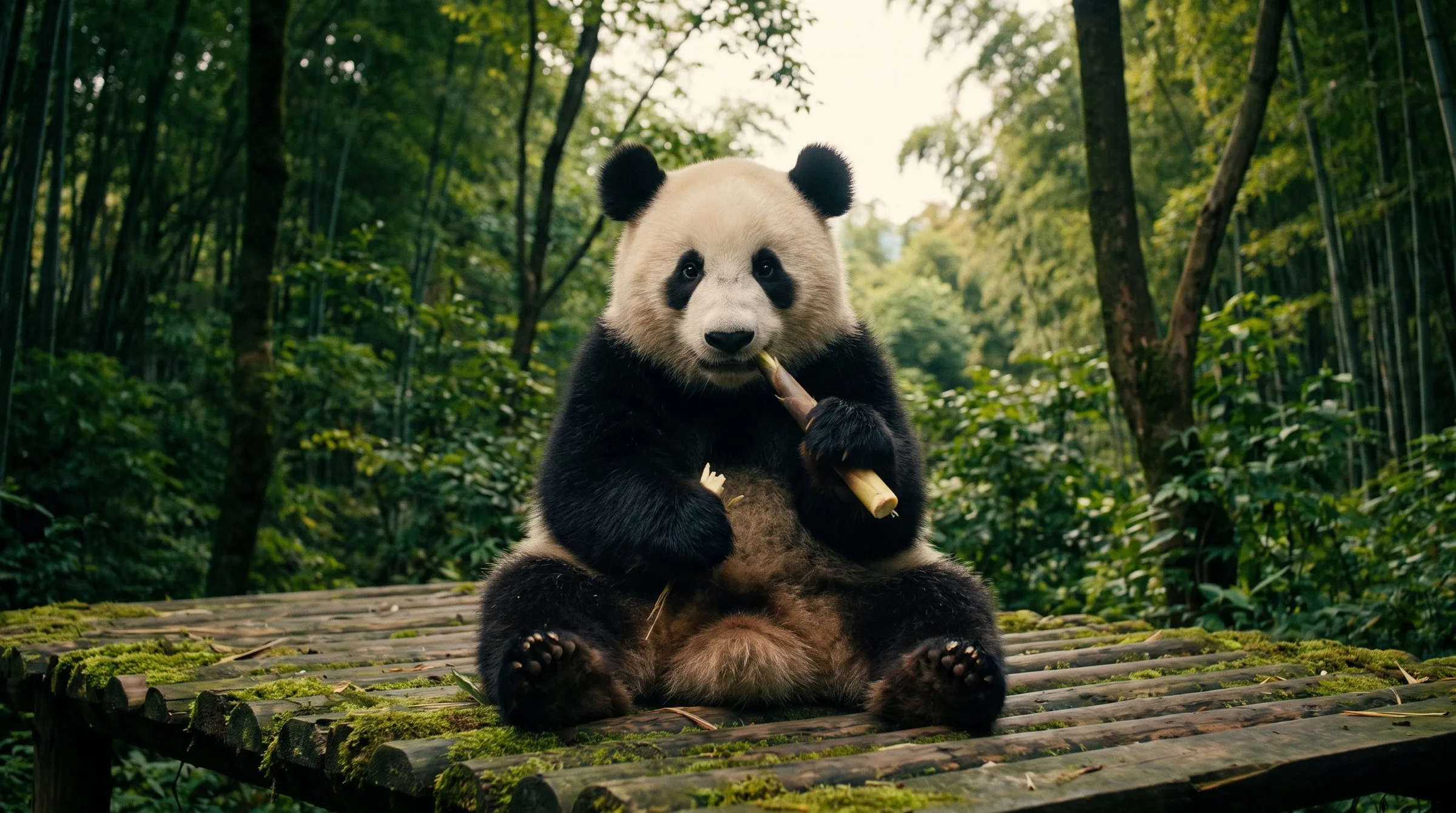
Chengdu Panda Base Guide: See Baby Pandas at the Research Center
Chengdu Research Base of Giant Panda Breeding: 7,000+ pandas, 30 min from downtown, ¥55 entry, opens 7:30. Best at dawn when pandas are most active. Avoid Mondays (Hua Hua rests).
The Chengdu Research Base of Giant Panda Breeding (成都大熊猫繁育研究基地) is the single most popular tourist attraction in Sichuan and the only place in the world where you can reliably see dozens of giant pandas in a single morning. The base covers 3.5 km² of bamboo forest, is home to 7,000+ giant and red pandas, and is 30 minutes from central Chengdu by DiDi or subway + bus.
The single biggest mistake tourists make is showing up at noon, when the pandas retreat indoors to sleep. The pandas are most active 8-10 AM (eating, climbing, playing). Plan your visit to be inside the base by 8:00 AM at the latest. The 2-hour difference between morning and afternoon is the difference between “best day in China” and “boring zoo”.
Plan your visit
- Entry: ¥55 standard (foreign passport rate). No further discount. Buy tickets online via WeChat mini-program (requires Chinese phone number) or book a Klook/Trip.com package in advance.
- Hours: 7:30-18:00 (Nov-Feb closes at 17:30). Last entry 16:30. Closed Mondays for the Hua Hua enclosure only — rest of the base is open.
- Distance from downtown: 30 min by DiDi (¥50-70), 45 min by subway (Line 3 to Chengdu Zoo Station + 10 min walk or short bus).
- Best time: Arrive 7:30-8:00 AM when the gates open. The pandas are fed at 8:30 and 11:30; the morning feed has fewer crowds.
- Allow 3-4 hours for a full visit. 2 hours if you just see the main enclosures.
What to see
The 3 main panda enclosures
Sunshine Nursery (太阳产房) — home to baby pandas under 3 months old. The nursery has glass walls so you can see the babies being held and bottle-fed by keepers. Most popular spot at the base. Get here early (8:00 AM) to avoid queues.
Adult panda enclosures (大熊猫别墅) — the main walking circuit through 6+ adult panda enclosures. The pandas are in small forested enclosures with fresh bamboo, climbing structures, and small ponds. Each enclosure has 1-3 pandas. Most active in the morning.
Hua Hua’s enclosure (花花) — the single most famous panda in China. Hua Hua is a 4-year-old female giant panda, easily identified by her smaller size, pink nose, and tendency to lie on her back while eating. The crowds around her enclosure are intense; expect 30+ min wait during peak season. Closed Mondays (her weekly rest day).
Red panda enclosures
The base also has 3 red panda enclosures, smaller and easier to photograph. Red pandas are reddish-brown, the size of a large house cat, and far more active than the giant pandas. They climb trees and chase each other.
Jinsha Site Museum (金沙遗址博物馆)
A separate but nearby site (10 min by DiDi from the base). This is the archaeological site of the ancient Shu kingdom (3,000+ years old), famous for the gold sun bird and jade cong artifacts. The museum is air-conditioned, the opposite vibe from the panda base, and a good way to spend the afternoon. The 2 attractions are the classic Chengdu day-trip combo.
Practical tips for foreign visitors
- Foreign passport gets you the ¥55 rate — bring the actual passport, not a copy. The ticket window is at the main gate.
- Wear comfortable walking shoes. The base is 3.5 km² with significant walking. Plan 4-6 km of walking in a full visit.
- No outside food allowed in the panda enclosures (it’s a wildlife area, not a park). There are 2-3 restaurants inside the base, all overpriced. Eat before or after.
- No flash photography in the panda enclosures. The flash can stress the pandas.
- Best photo spots: Sunshine Nursery (baby pandas), red panda enclosures (more active), the bamboo forest paths (morning light through the trees).
- Arrive by 8:00 AM to see the morning feed and avoid the crowds. The base is 70% less crowded at 8 AM than at noon.
Common questions
When is the best time to see pandas being active?
8:00-10:00 AM. The pandas are fed at 8:30 and 11:30, so the 8-9 AM window is peak activity. After noon, the pandas retreat indoors to sleep and you’ll see mostly empty enclosures.
Is Hua Hua always there?
Hua Hua is the most famous panda at the base, but she has a Monday rest day when her enclosure is closed. The rest of the base is open every day. Plan to see Hua Hua on Tue-Sun.
How do I get to the Panda Base from downtown Chengdu?
By DiDi: 30 min, ¥50-70. By subway: Line 3 to Panda Road Station (熊猫大道), then 15 min walk or 5 min bus. By guided tour: most Chengdu day tours include hotel pickup + return.
Is it worth it for a half-day visit?
Yes — 3-4 hours is enough to see the main enclosures. Add Jinsha Site Museum (10 min away) for a full day.
Should I book tickets in advance?
Optional. Same-day purchase at the gate is normal. Klook and Trip.com sell skip-the-line + guided tour packages that include transport from downtown Chengdu — these are the most efficient for first-time visitors.
Panda Base + Chengdu essentials day tour
Skip-the-line Panda Base ticket, English-speaking local guide (explains the conservation program and the individual pandas), private car from your hotel, return transfer, and optional Jinsha Site Museum combo. The 'Chengdu Panda day' bundle is the most efficient way to see the base without the 30-min DiDi each way.
Day tour from $58
Verified August 2026 by TravelHubChina Editorial. We re-check prices and policy details monthly so the data doesn’t drift.
FAQ
-
How much does it cost to enter the Chengdu Panda Base?
¥55 at the foreign passport rate (no further discount). Bring the actual passport, not a copy, to the ticket window at the main gate. -
What is the best time of day to see the pandas active?
Arrive by 8:00 AM. The pandas are fed at 8:30 and 11:30, so 8-9 AM is peak activity. After noon, the pandas retreat indoors to sleep, and the difference between morning and afternoon is the difference between the best day in China and a boring zoo. -
Is the panda base closed on Mondays?
No, the base is open every day. Only Hua Hua enclosure is closed on Mondays for her weekly rest day. Plan to see Hua Hua on Tue-Sun. -
How do I get to the Panda Base from downtown Chengdu?
By DiDi: 30 min, ¥50-70. By subway: Line 3 to Panda Road Station (熊猫大道), then a 15 min walk or 5 min bus. Most guided day tours include hotel pickup and return transfer. -
How long do I need at the Panda Base?
3-4 hours is enough to see the main enclosures. A full visit can involve 4-6 km of walking across the 3.5 km² site. Add the nearby Jinsha Site Museum (10 min by DiDi) for a full Chengdu day. -
What are the must-see enclosures at the Panda Base?
Three main spots: Sunshine Nursery (太阳产房) for baby pandas under 3 months (glass walls, get there at 8 AM), the adult panda enclosures (大熊猫别墅) for 6+ forested habitats, and Hua Hua enclosure (closed Mondays). The 3 red panda enclosures are smaller and easier to photograph. -
Should I book panda base tickets in advance?
Optional. Same-day purchase at the gate is normal. Klook and Trip.com sell skip-the-line packages with guided tours and hotel transport, which the article calls the most efficient option for first-time visitors. -
Are there rules I need to know at the panda enclosures?
Yes: no outside food is allowed inside the wildlife area (there are 2-3 overpriced restaurants inside), and no flash photography in the enclosures because it stresses the pandas.
Related guides
- Scenic & Nature
Big Wild Goose Pagoda Guide: Xi'an's 1,300-Year Tang Pagoda
Big Wild Goose Pagoda (Dayan Ta) in Xi'an: 64m Tang-dynasty brick pagoda from 652 AD, UNESCO since 2014 as part of the Silk Roads network. Tickets (¥50), climb times, and the free North Square musical fountain (9 PM nightly).
8min read
- Scenic & Nature
China's Top 3 Scenic Wonders Compared: Zhangjiajie vs Huangshan vs Jiuzhaigou (2026)
Zhangjiajie (sandstone pillars), Huangshan (sea of clouds + granite peaks), Jiuzhaigou (turquoise lakes + waterfalls). Decision guide covering which fits your time, budget, fitness level, photography goals, and travel style. Prices, distances from Shanghai/Beijing, best seasons compared.
12min read
- Scenic & Nature
Daocheng Yading Scenic Guide: Three Sacred Mountains & Alpine Lakes
Daocheng Yading in Sichuan is a 4,000-6,032m reserve with three sacred peaks and Milk Lake. Covers ¥146-266 tickets, Chengdu flights, hiking, altitude prep.
12min read
- Scenic & Nature
Ejina Populus Forest Guide: 21 Days of Golden China
Ejina Populus Forest in Inner Mongolia has 39,000 hectares of Populus euphratica, gold October 1-21. Covers tickets, transport, Erdaoqiao Bridge, 4-day plan.
12min read
- Scenic & Nature
Forbidden City Guide: Beijing Imperial Palace, Tickets & Plan
The Forbidden City in Beijing: 72 hectares, 980 buildings, 1.4 million artifacts, Ming and Qing dynasties, UNESCO since 1987. Tickets (¥60), WeChat booking.
12min read
- Scenic & Nature
Great Wall of China Guide: Mutianyu, Badaling, Jinshanling Compared
Great Wall of China: 21,196 km. Mutianyu (best first-timers), Badaling (most crowded), Jinshanling (hiking) compared. Tickets, transport, best season.
12min read