
Hotels in Chengdu on Trip.com
From $20/night hostels to $240+/night luxury — The Temple House, Niccolo Chengdu, Flipflop Hostel and 3,000+ more. Filter by tier on Trip.com.
$20 – $240+/night
成都 · Travel Guide
Pandas, Sichuan hotpot, and the slowest-paced big city in China.
Chengdu is where mainlanders go to chill. The pace is noticeably slower than Beijing or Shanghai, the food is unapologetically spicy, and the tea houses double as living rooms. Two or three days is enough to see the pandas, eat your way through the hotpot and 串串 (chuàn chuàn, skewer) scene, and do a half-day People's Park teahouse reset. The city is also one of the top three digital-nomad hubs in China. Tea houses with WiFi are everywhere (¥15-30 for a pot and a seat all afternoon), a one-bedroom in the city center rents for ¥2,500-4,500/month ($350-630), and the food makes the monthly cost feel smaller than it is. If you're thinking about working from China for a month, Chengdu and Shanghai are the two best bets.
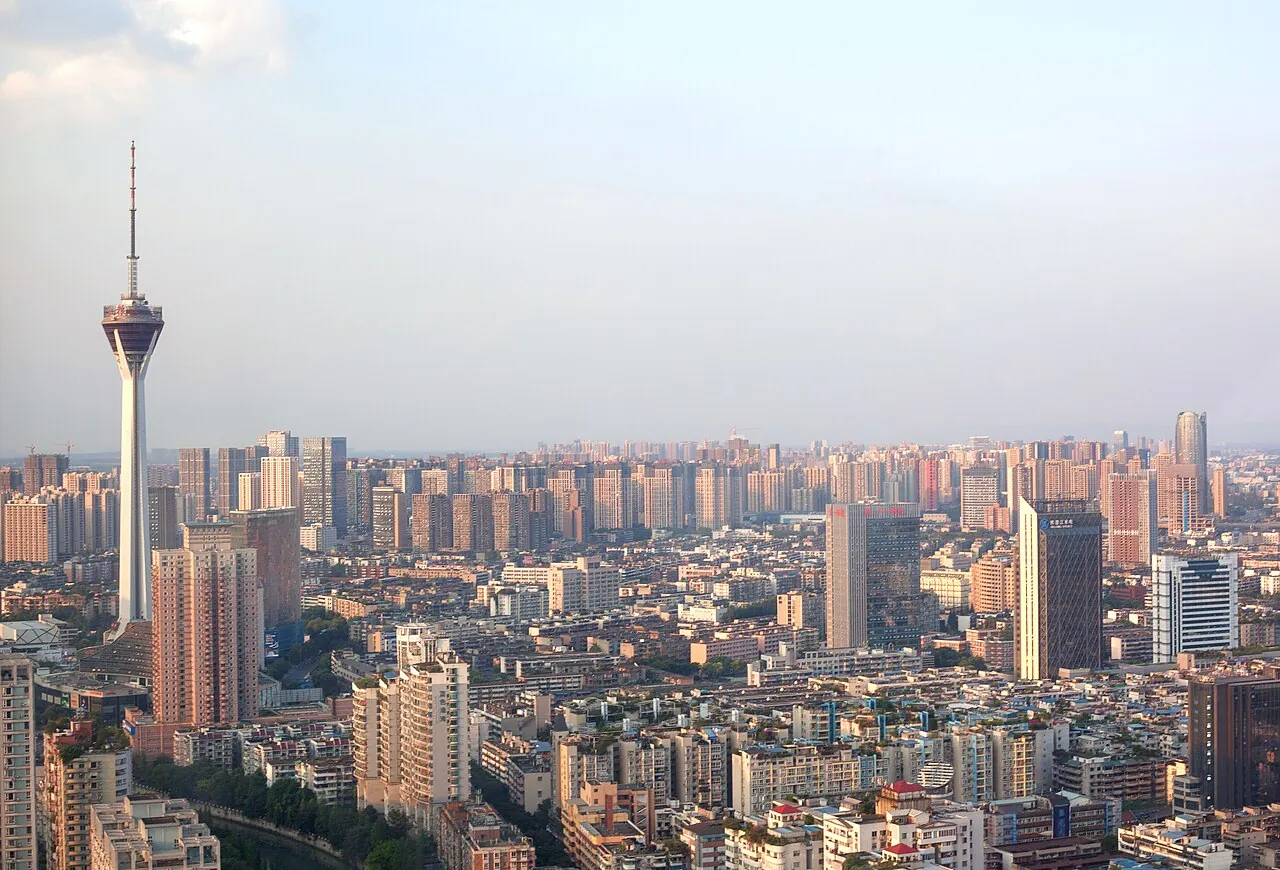
The must-see places locals will tell you are unmissable, with photos and a direct link to the in-depth guide for each.
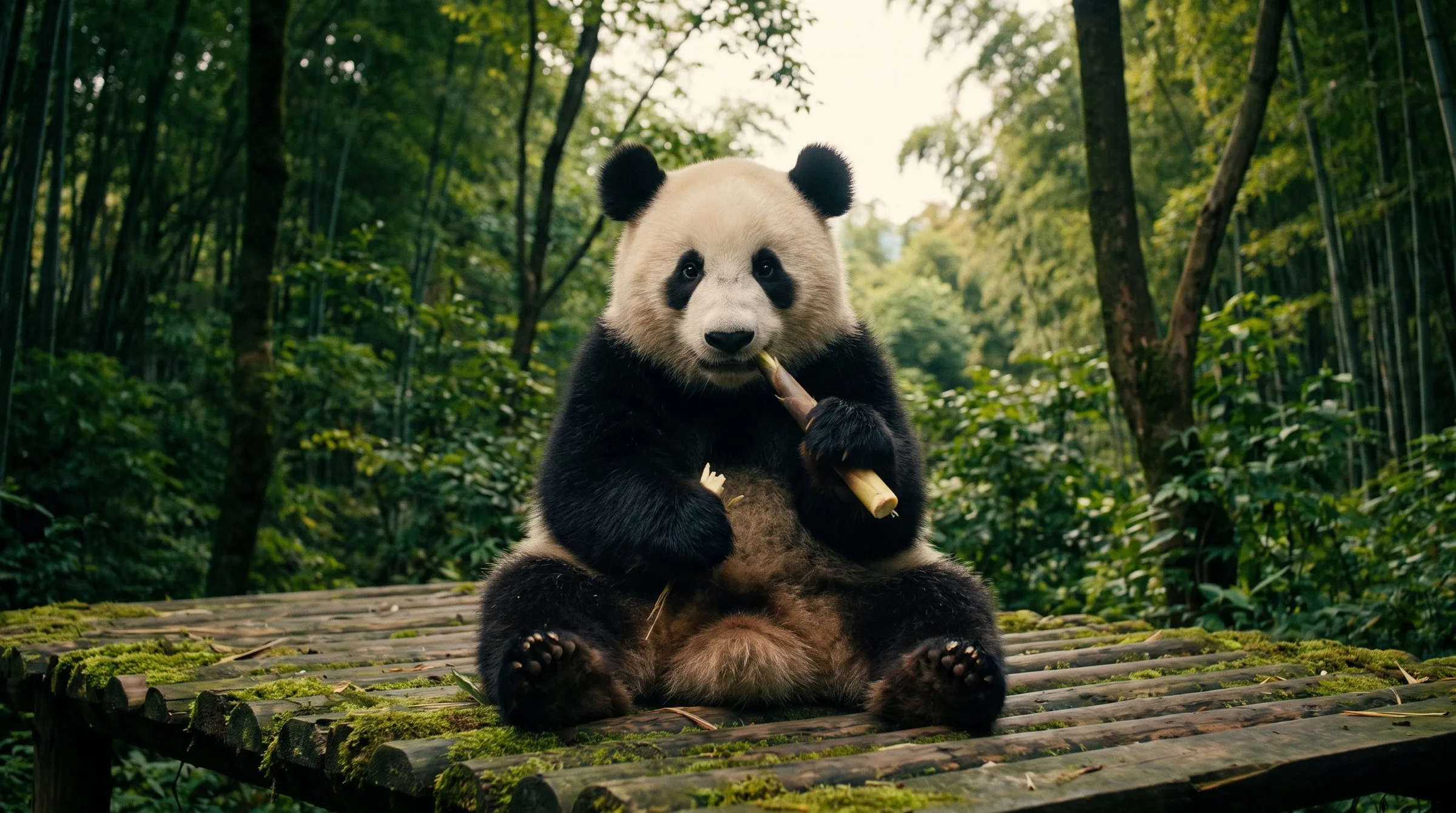
7,000+ giant and red pandas, 30 minutes from downtown. ¥55 foreigner ticket, open 7:30-18:00 (Nov–Feb closes at 17:30). Enter the South Gate at 7:30 AM to see the pandas at their most active; the star panda Hua Hua rests on Mondays.
Read full guide →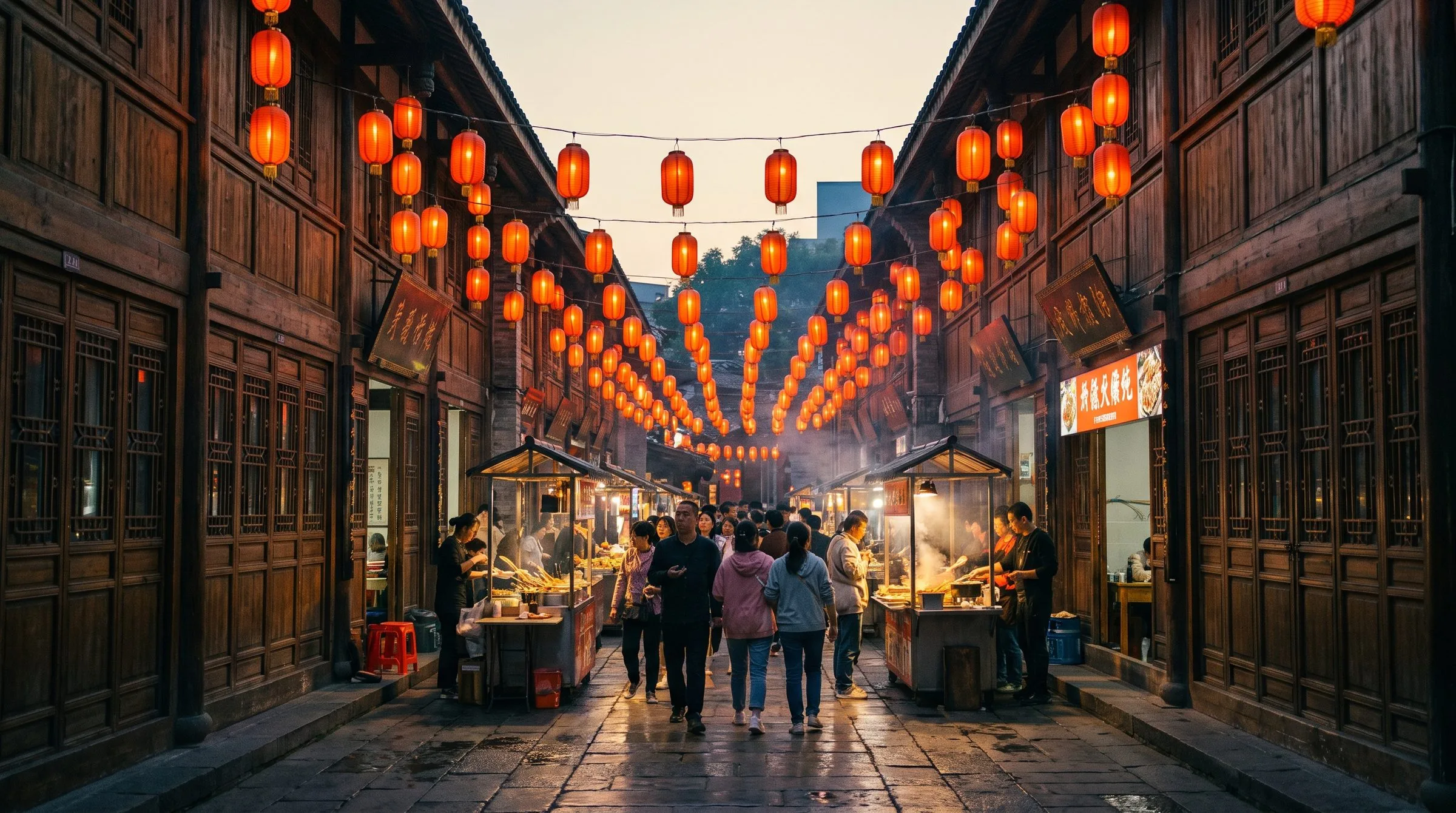
A reconstructed Qing-era street next to the Wuhou Shrine, packed with snack stalls, tea houses, and souvenir shops. Free entry. Go at dusk when the lanterns come on — photogenic but very touristy.
Read full guide →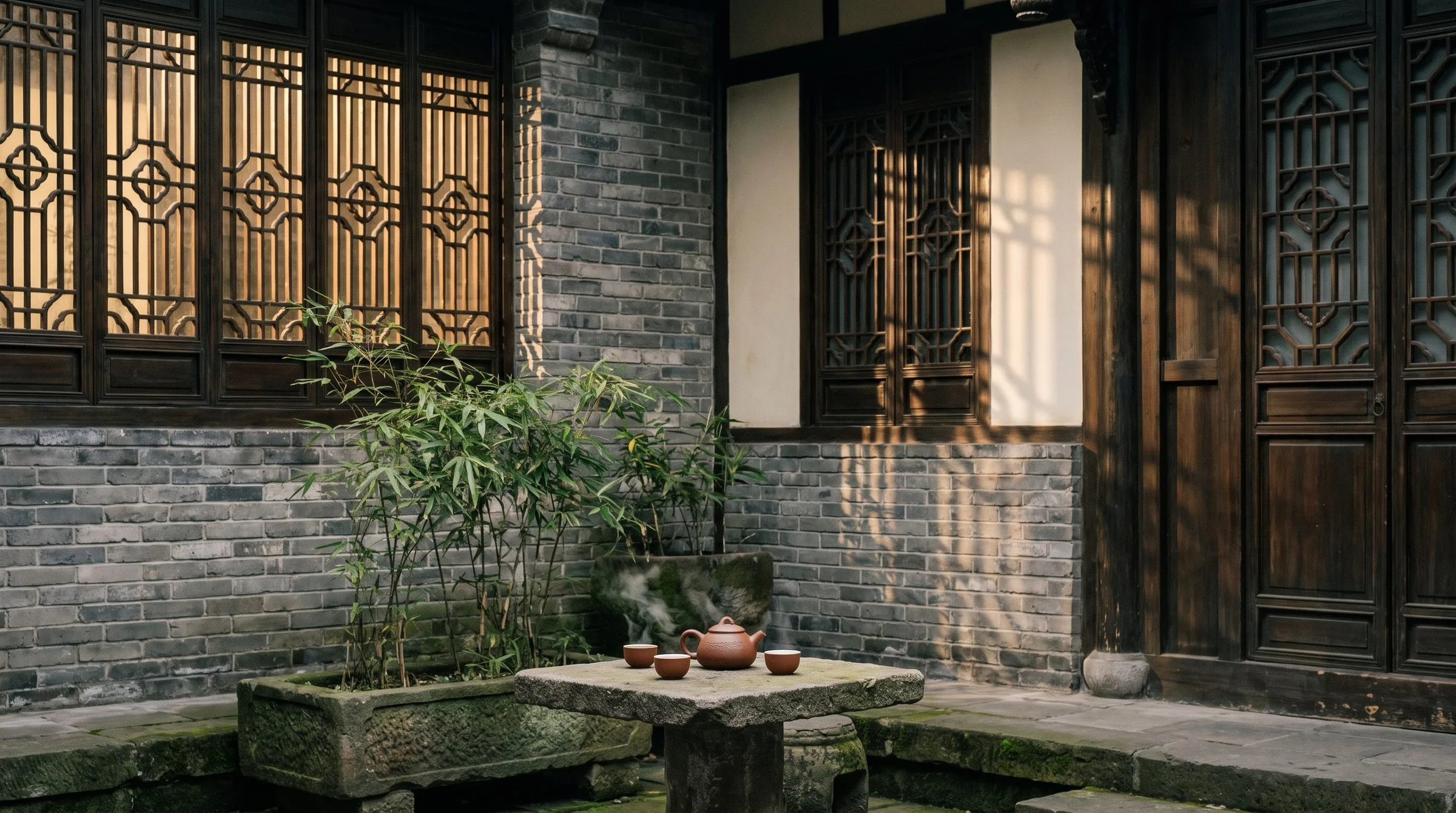
A Qing-era courtyard neighborhood, now boutiques, teahouses, and Sichuan snack stalls. ¥0 entry to the alleys. Combine with a visit to a Sichuan opera face-changing show nearby.
Read full guide →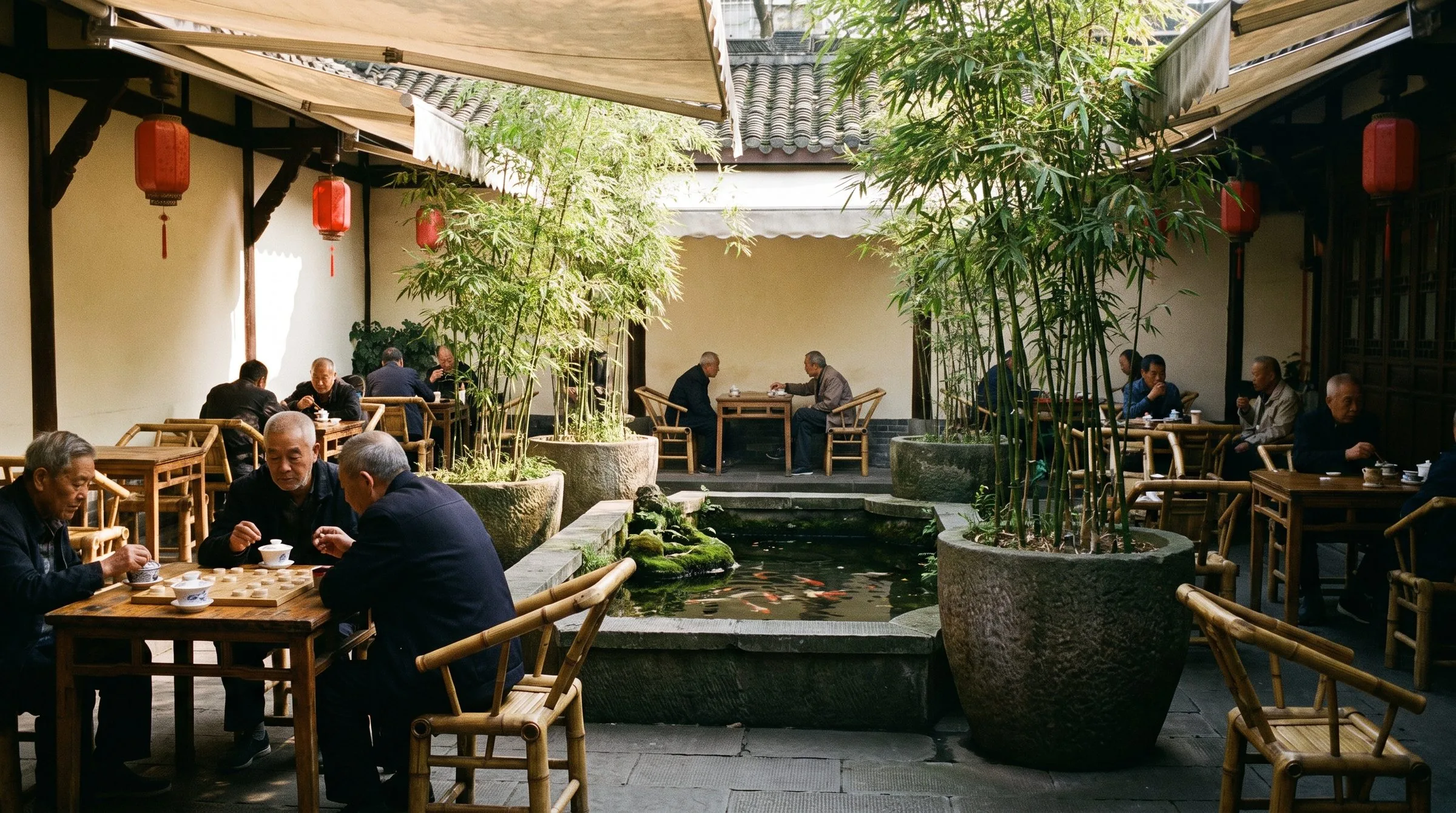
Chengdu's living room. Heming Teahouse (鹤鸣茶社) is 100 years old; ¥15-30 for a pot, you can sit for hours. The park has the famous weekend marriage market where parents post handwritten ads for their adult children.
Read full guide →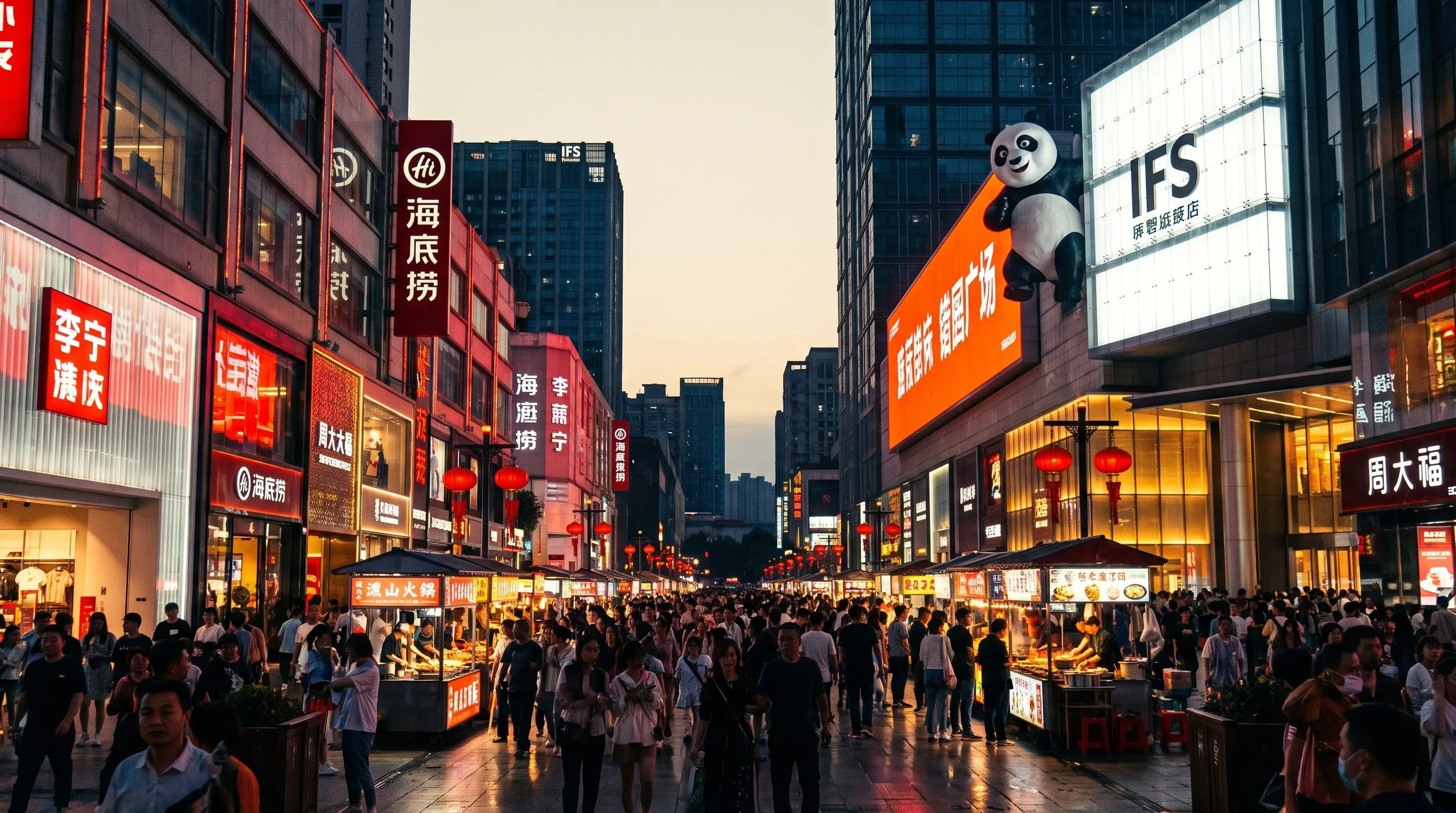
The main shopping street — IFS (with the famous climbing panda on the rooftop) at one end, the old Zhongshan Plaza at the other. Use it as a metro and food hub; the IFS panda is a 5-minute photo stop.
Read full guide →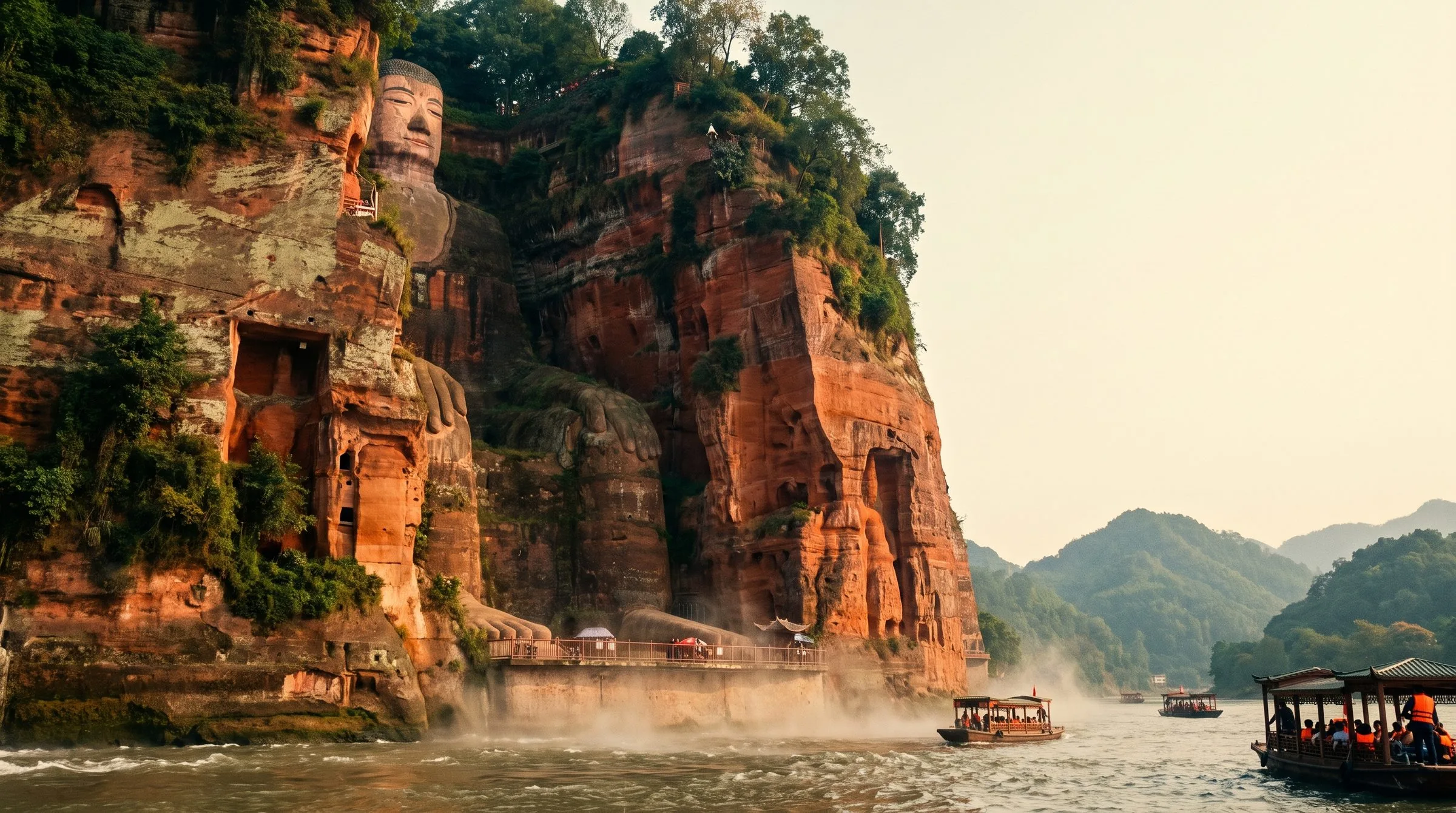
A 71-meter Tang-dynasty Buddha carved into a cliff, 1.5 hours by high-speed train. ¥80 entry. Combine with Mount Emei (Buddhist mountain) if you have a full day.
Read full guide →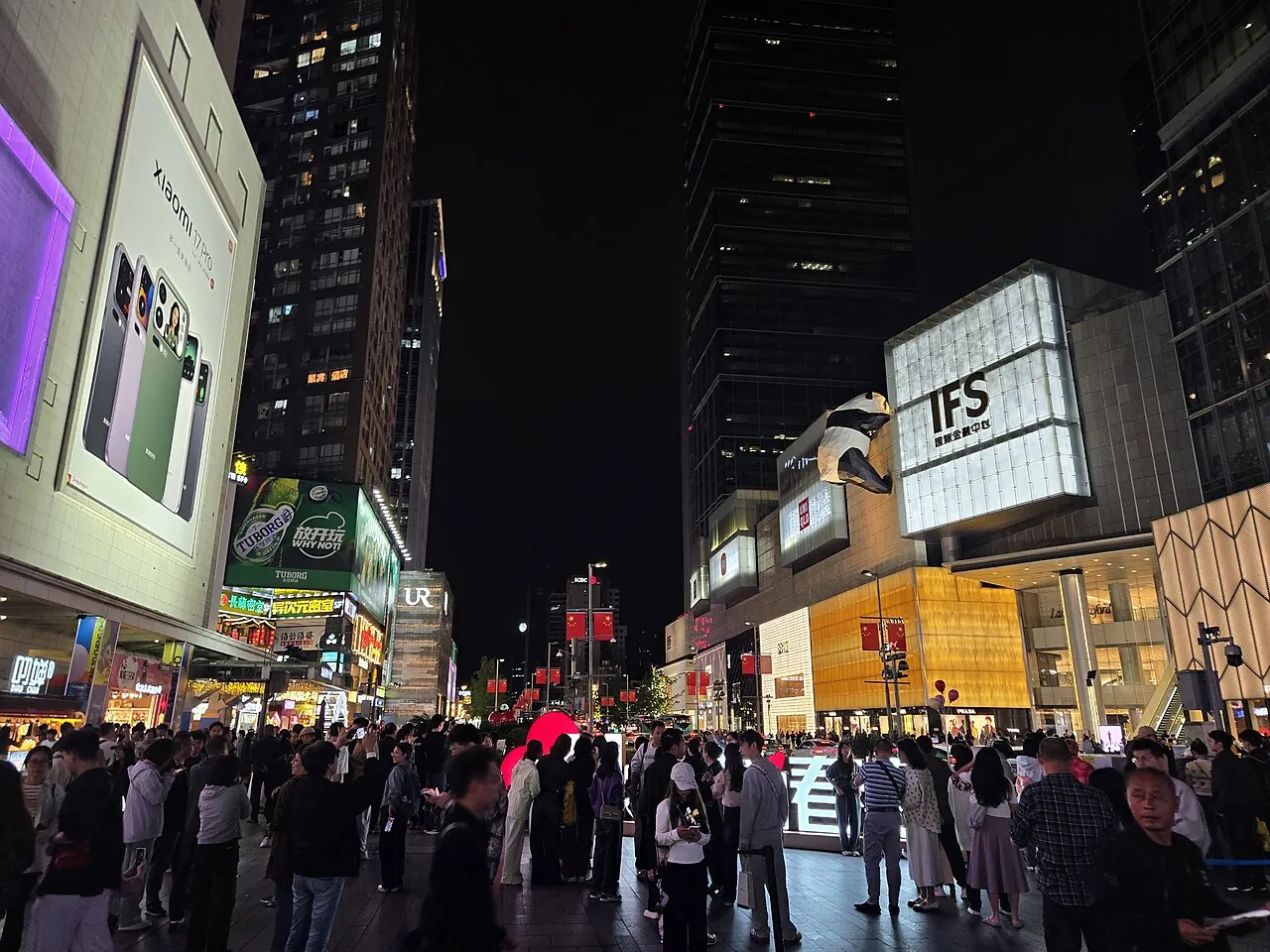
We only list hotels that accept foreign guests and accept international credit cards.
From $20/night hostels to $240+/night luxury — The Temple House, Niccolo Chengdu, Flipflop Hostel and 3,000+ more. Filter by tier on Trip.com.
$20 – $240+/night
Plan your Chengdu trip on Trip.com — the only platform we've verified for mainland China. Prices update in real time; no hidden fees.
Trip.com — Recommended
Chengdu on Trip.com — 1.4M mainland-China hotels (¥35/night and up), real-time English HSR booking, plus skip-the-line tickets and guided tours in one cart. Accepts foreign Visa/Mastercard. Filter by tier on Trip.com once you land.
Hotels from $35/night · HSR from $7 · Tours from $5
Search Chengdu on Trip.com →March–June and September–November. The pandas are more active in cool weather (October–March is best for photos). Summer is humid and pandas retreat indoors after 2 PM.
In-depth guides, itineraries, and practical tips for Chengdu — visa, transport, payment, food, and the top sights.
Need help in China?
Bilingual phrase cards for the situations that actually come up. Show the Chinese to locals, read the language you know to understand.
Alipay Payment Failed
My international card payment failed. Can I pay cash or transfer privately to you?
Didi Driver Cancelled
Hello, the Didi drivers cancel my ride when they see my passport. Where nearby can I hail a regular taxi?
Hospital Emergency
Please help! This is an emergency. I need a doctor. Here are my passport and insurance. Please call an ambulance or get a translator.
A day-by-day plan, the metro lines you need, and the one restaurant locals love.