
Beijing Itinerary 2026: 3 Days, Forbidden City to Great Wall
Beijing itinerary for 3 days: Forbidden City, Temple of Heaven, the Summer Palace, a Great Wall section and a hutong food tour. ¥1,500-2,500 (US$208–347) per person.
Three days is the right amount of time for Beijing. It covers the imperial landmarks (Forbidden City, Temple of Heaven, Summer Palace), one Great Wall section, and a hutong food tour — all at a relaxed pace. This itinerary is built for first-time visitors, with a 70/30 split of must-sees and local experiences. Plan around the Forbidden City closure (every Monday except Chinese public holidays) and you can fit in everything below. Total budget: about ¥2,000–3,500 ($280–490) per person excluding flights, or ¥3,500–6,000 ($490–840) with mid-range hotels.
Beijing at a glance
How many days do you need in Beijing?
Two days for the headline sights, three to actually enjoy them, and five if you want Beijing’s full imperial set without rushing. Beijing’s three must-sees — the Forbidden City, the Great Wall and Tiananmen — sit far apart, so two days means moving fast and starting early, with the Great Wall claiming a whole day of the trip.
| Days | What you get | Verdict |
|---|---|---|
| 1 day (24–36 hours) | Forbidden City, Tiananmen, hutong dinner, straight to the airport | Only for a long stopover — see the 2-day layover guide |
| 2 days | The above plus the Great Wall at Mutianyu | Tight but doable |
| 3 days | Forbidden City, Great Wall and Summer Palace with breathing room | This itinerary — the first-timer default |
| 4+ days | Add Temple of Heaven, a hutong food tour and a buffer for a late arrival | The 7-day China route covers it |
Is 3 days in Beijing enough? Yes for the headline sights. Add a day if you want the Summer Palace and Temple of Heaven without a 6 a.m. start, or if your flight lands late on Day 1.
Day 1: Forbidden City + Tiananmen + Wangfujing
Morning (8:00–13:00) — Tiananmen Square and the Forbidden City
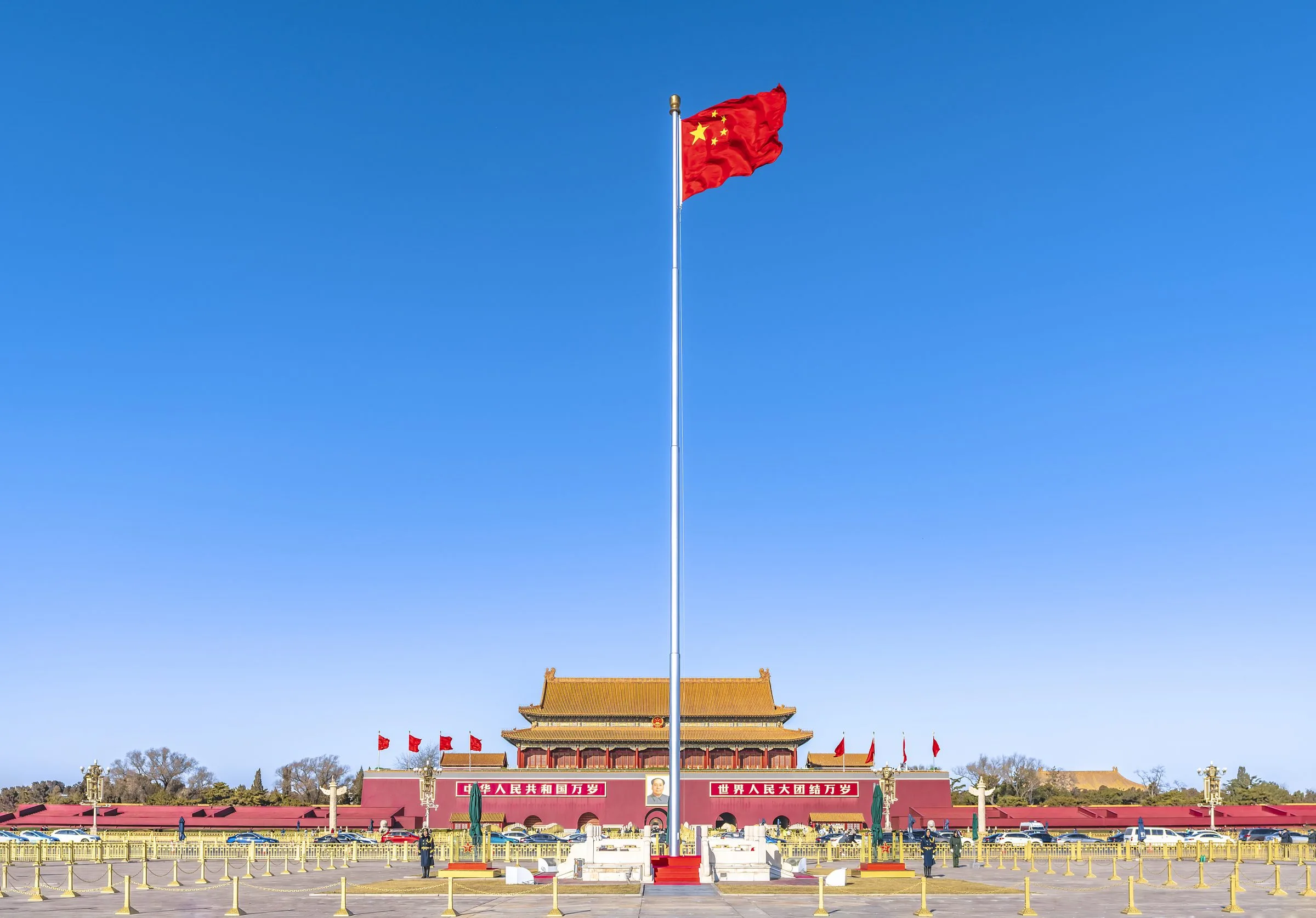
Start at Tiananmen Square (天安门广场, tiān’ānmén guǎngchǎng). Arrive by 8:00 AM to beat crowds. Bring your passport — security check at every entrance. The square is free and the flag-raising ceremony at sunrise is worth timing if you’re an early riser.
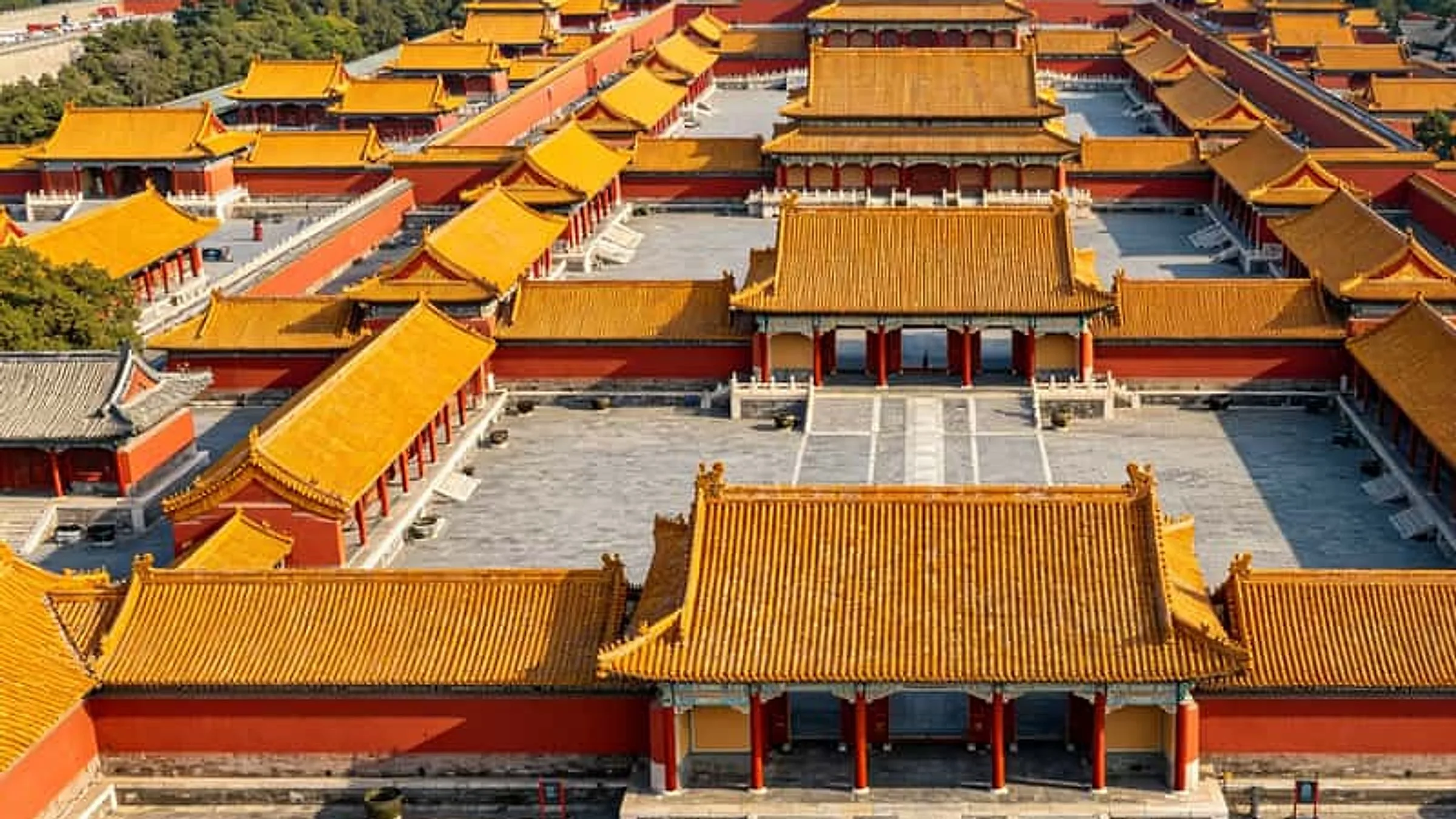
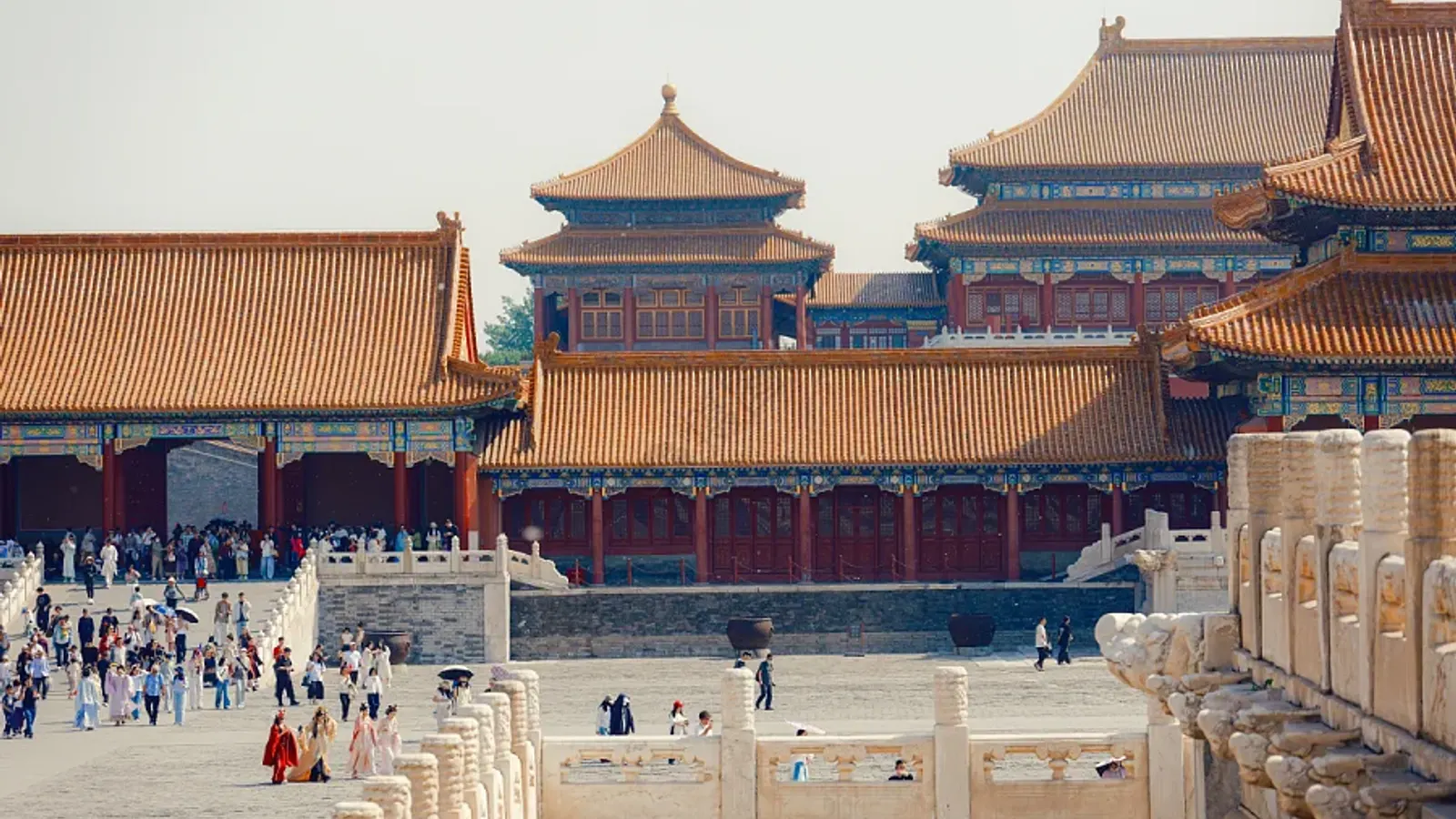
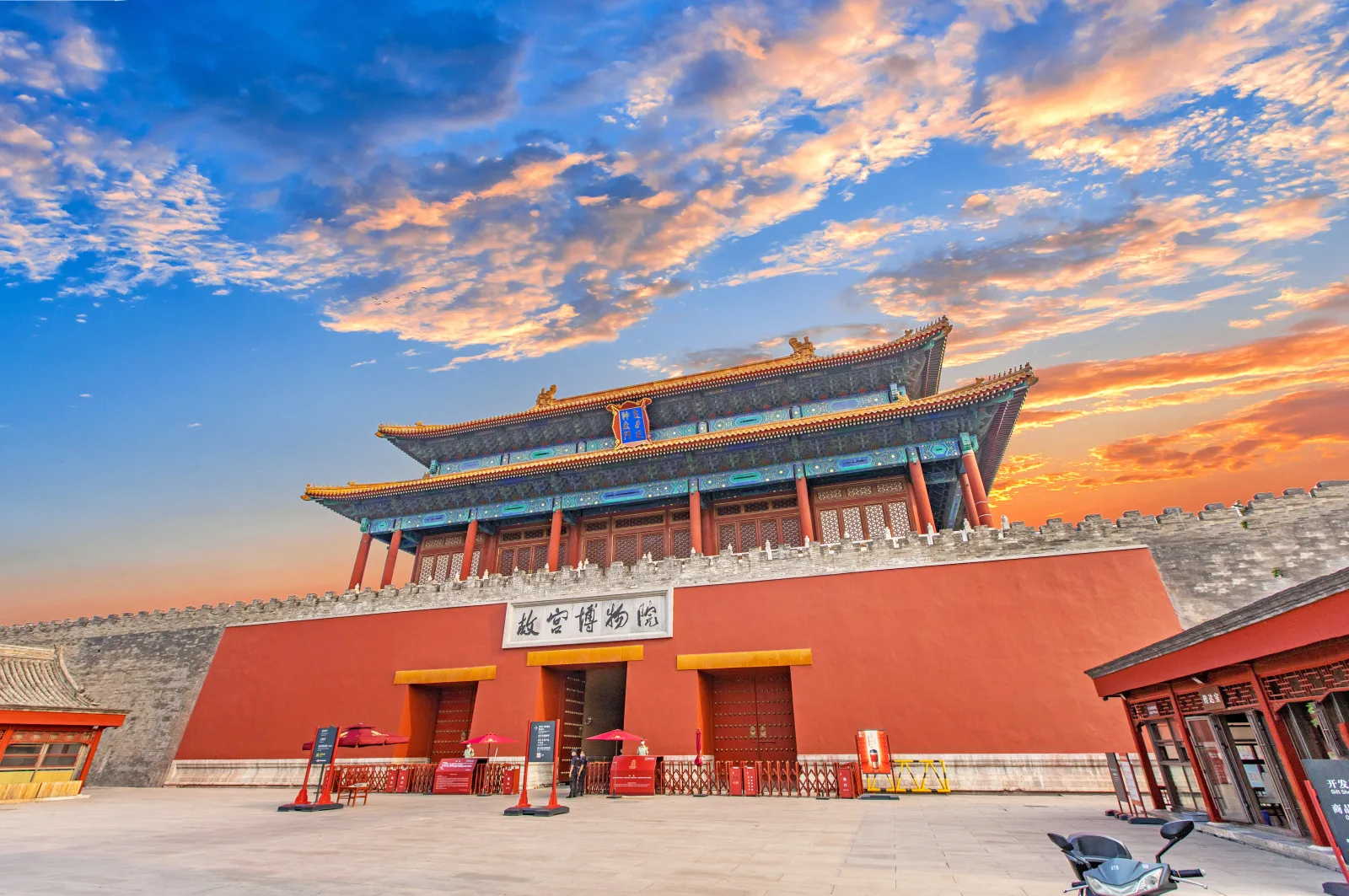
Walk north to the Forbidden City (故宫, gùgōng). Buy tickets online in advance through the official WeChat mini-program or the museum’s website — ¥60 ($8.50) for the basic ticket, ¥80 ($11) for the Treasure Gallery and Clock Exhibition. Open 8:30 AM–4:30 PM (last entry at 3:30 PM in winter, 4:00 PM in summer). Closed Mondays. Allow 3–4 hours. The audio guide is ¥40 ($5.50) and worth it.
The route: enter at the south (Meridian Gate), walk the central axis through the major halls, then exit at the north gate (Gate of Divine Prowess). Don’t miss the Treasure Gallery (珍宝馆) in the northeastern corner — the golden kettles and jade carvings are stunning. The Palace of Heavenly Purity (乾清宫) and the Imperial Garden (御花园) at the north end are the most photogenic.
Afternoon (13:00–17:00) — Jingshan Park + Hutongs
Cross the street to Jingshan Park (景山公园). The hill behind the Forbidden City is the highest point in central Beijing. Climb to the top (10 minutes) for the iconic panorama of the Forbidden City’s golden roofs. ¥2 entry ($0.30).
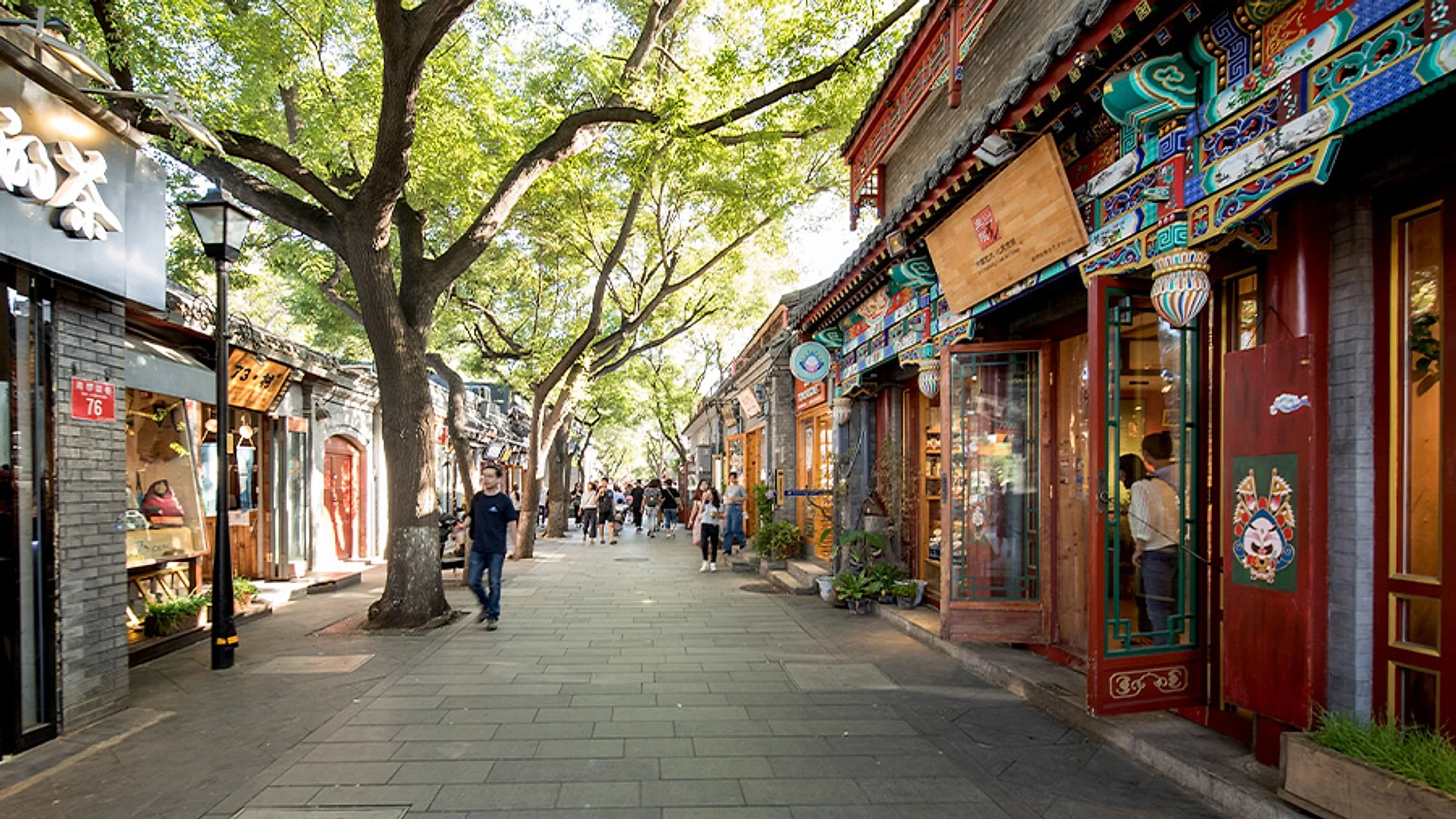
Then walk west into the hutongs (胡同, hútòng) — Beijing’s traditional alleyway neighborhoods. Start at Nanluoguxiang (南锣鼓巷), a 800-year-old alley that’s now half boutique shops, half street food. For a quieter experience, walk east into the residential alleys where locals actually live. The best street snacks: jianbing (¥10 / US$1), Beijing yogurt (¥5 / US$0.69), and bingtanghulu (candied hawthorn, ¥10 / US$1).
Is Beihai Park worth adding to Day 1?
Yes, if you are already standing in Jingshan Park — Beihai’s east gate is a 15-minute walk west, and the gate ticket is ¥10 (US$1). The two parks sit either side of the same imperial axis: Jingshan gives you the rooftop view of the Forbidden City, Beihai gives you the lake, the White Dagoba and the hutong shore. Most people do Jingshan first, walk west along Jingshan West Street, and enter Beihai by the east gate.
| Peak season (Apr 1 – Oct 31) | Off-season (Nov 1 – Mar 31) | |
|---|---|---|
| Gate ticket (park only) | ¥10 (US$1) | ¥5 (US$0.69) |
| Combined ticket — all open gardens, including Qionghua Island and Tuancheng | ¥20 (US$3) | ¥15 (US$2) |
| Park hours | 6:00–21:00, last entry 20:30 | 6:30–20:00, last entry 19:30 |
| Time to allow | 1.5 hours for the south shore, 2.5 hours with the island climb | same |
| Best hour | 17:00–19:00 — the White Dagoba catches the last light | 15:00–16:30, before the early winter dark |
Three practical notes:
- Book first, then walk. Beihai uses timed, real-name booking through the 畅游公园 (Changyou Gongyuan) WeChat mini-program, released 1–7 days ahead. Foreign passports book the same way: you scan the QR code at the gate and show the passport. Tuancheng, the walled circular terrace by the south gate, is a separate ¥1 (US$0.14) if you skip the combined ticket.
- Buy the combined ticket only if you plan to climb. The gate ticket keeps you on the lake shore. The White Dagoba sits on Qionghua Island, reached by a steep stone stair on the island’s south face — the ¥20 (US$3) combined ticket is what lets you up there, and the view back over the lake to the drum tower is the reason to pay it.
- Leave by the north gate, not the way you came in. The north gate faces 北海北 station on Metro Line 6, and Houhai lake is a 10-minute walk north — which is how Beihai folds into the hutong evening below without a taxi.
Evening (17:00–21:00) — Wangfujing Snack Street + Peking Duck
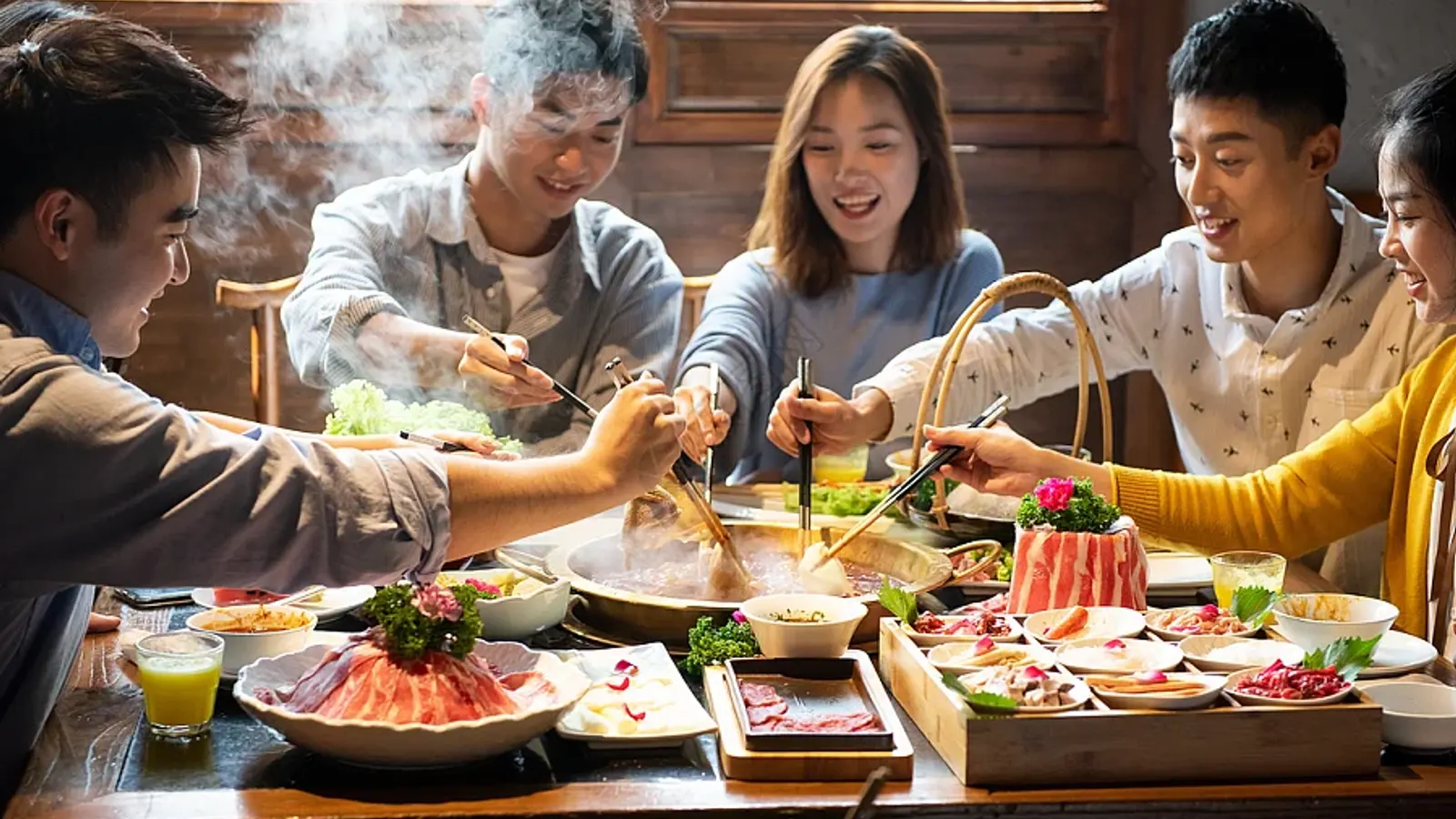
End at Wangfujing Snack Street (王府井小吃街). Yes, it’s touristy. Yes, you should still go for the visual experience — exotic skewers (scorpion, starfish, seahorse if you dare) and a dozen regional Chinese snacks in one place. Most snacks ¥5–30 (US$0.69–4).
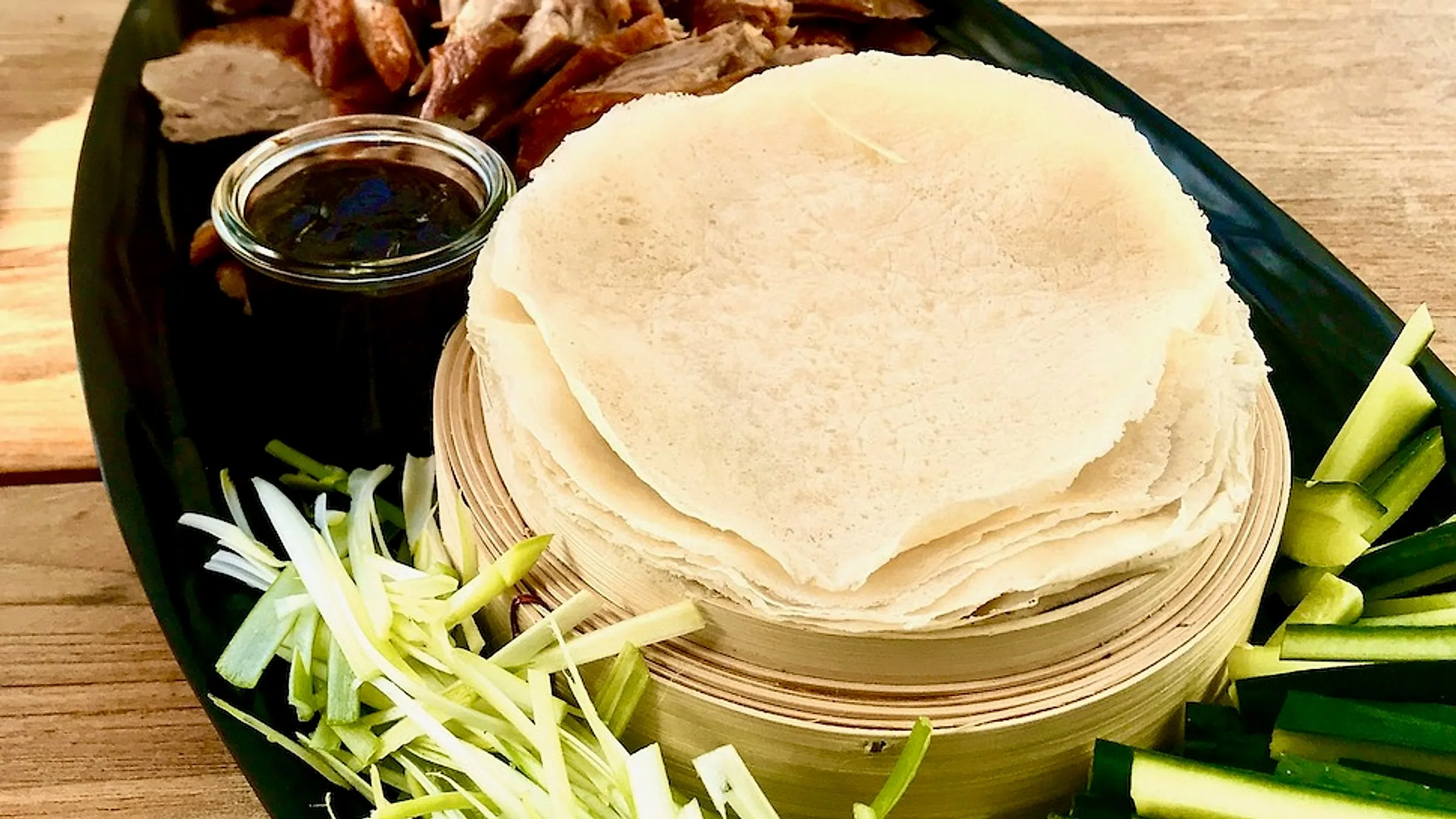
For dinner, head to Quanjude (全聚德) or Da Dong (大董) for the city’s most famous Peking duck. Quanjude is the 1864 original and tourist-heavy; Da Dong is the modern favorite with locals. A whole duck is ¥300–500 ($42–70), feeds 2–3 people. For a budget option, try Bianyifang (便宜坊), which uses a different (oven-baked) technique and runs ¥150–250 ($21–35).
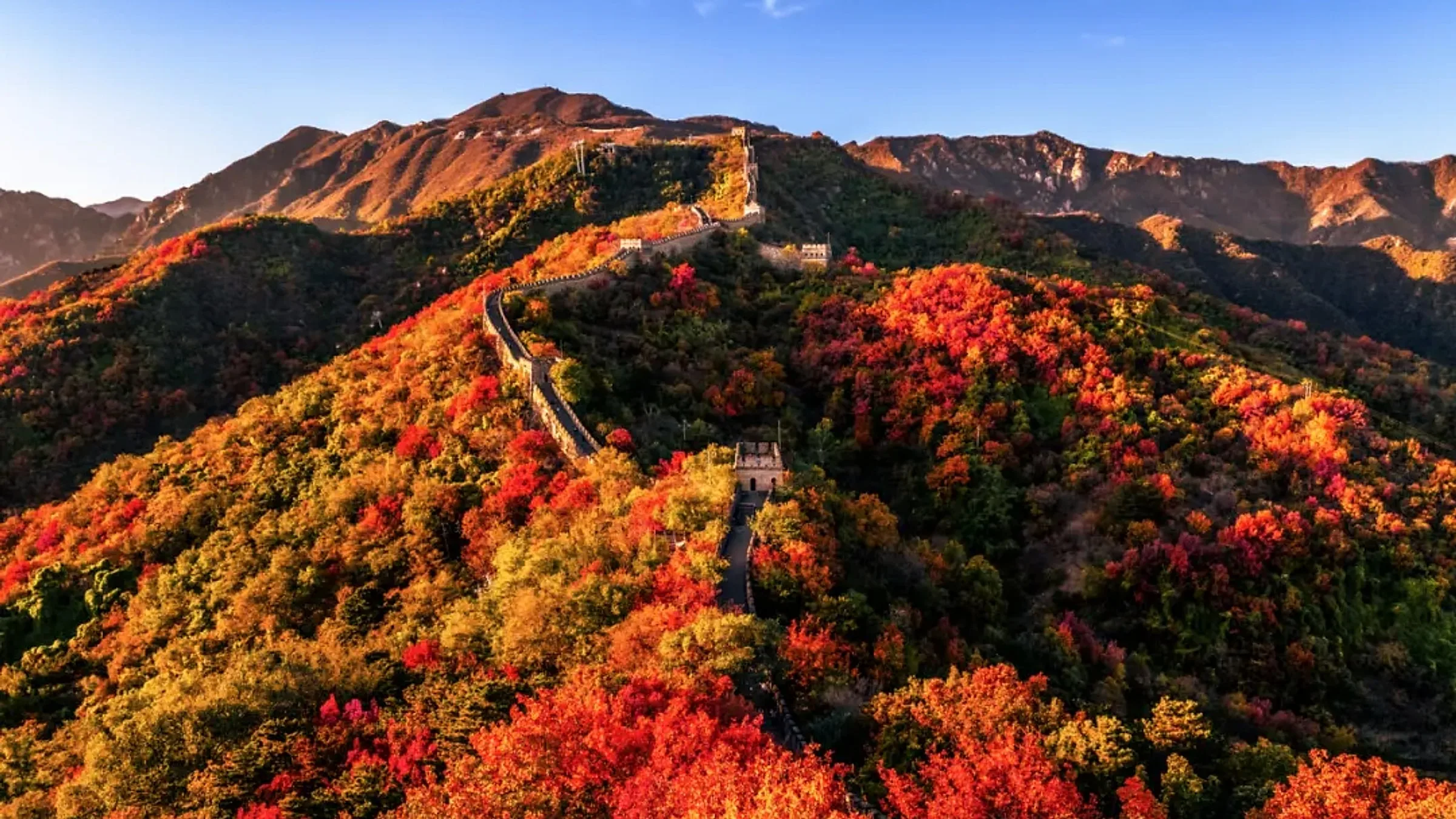
Verified: “Mutianyu is one of the essence sections of the Great Wall of Ming Dynasty, with fresh air, sided embrasure, peculiar guards, intensive watchtowers, the strong feeling of three-dimensional and the existing of the inside and outside branch” — Tripadvisor, Mutianyu Great Wall, accessed 2026-07-24
Day 2: The Great Wall (Mutianyu)
All day (7:00–19:00) — Mutianyu Great Wall
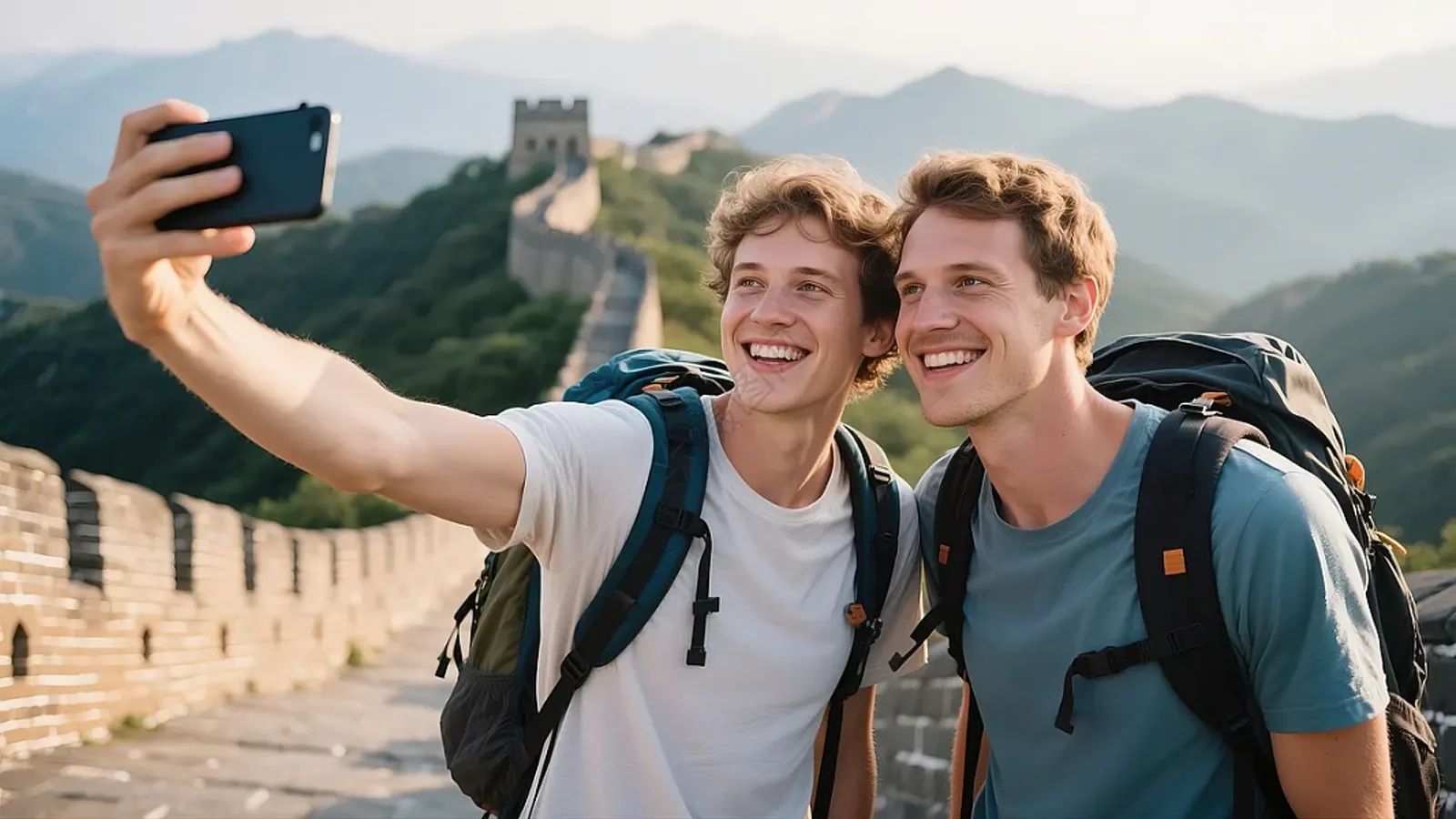
Mutianyu (慕田峪) is the best Wall section for first-timers: less crowded than Badaling, more restored than Jiankou, and accessible by direct bus from central Beijing. Round-trip by MuBus (慕巴士) from Wangfujing or Qianmen: ¥80 ($11) per person round-trip, departs 7:30 AM, returns 5:30 PM. Buy online in advance via the official WeChat mini-program.
The drive is 1.5 hours each way. You arrive around 9:30 AM — still ahead of most tour groups. The Wall is open 7:30 AM–6:00 PM in summer, 8:00 AM–5:00 PM in winter. Entry is ¥40 ($5.50), and there’s a ¥15 ($2) shuttle bus from the visitor center to the Wall base.
There are three ways up the Wall:
- Cable car up (¥100, $14) + toboggan down (¥100 / US$14) — easiest, fun for kids
- Chairlift up (¥100 / US$14) + walk down — quieter
- Walk up the stone steps — free, but 30 minutes of steep climbing
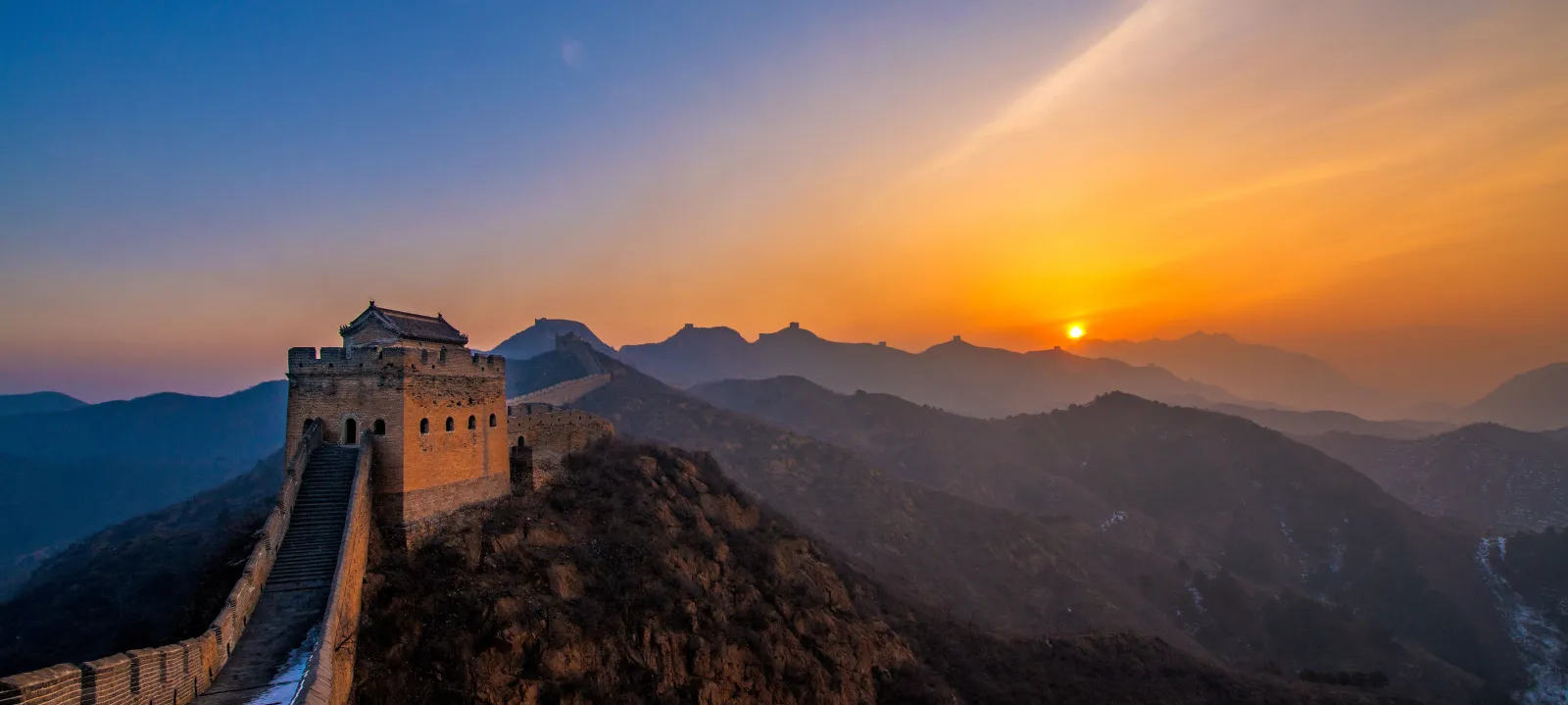
The walk: take the cable car to Tower 14, then walk east to Tower 23 (the highest point, ~1,000m). The path is mostly flat or gentle stairs, with a few steep sections. Allow 2–3 hours on the Wall. Bring water, sunscreen, and a jacket (the wind can be sharp even in summer).
Return and evening: bus back to Beijing by 6:00 PM. For dinner, head to Houhai (后海) lake area — a 1.5 km strip of bars, restaurants, and live music. Or stay near the hotel for rest after a long day.
Alternative sections if Mutianyu is too crowded: Jinshanling (more hiking, more dramatic, 2 hours from Beijing) or Jiankou (wild, unrestored, only for serious hikers).
Day 3: Temple of Heaven + Summer Palace + hutong food
Morning (8:00–11:30) — Temple of Heaven
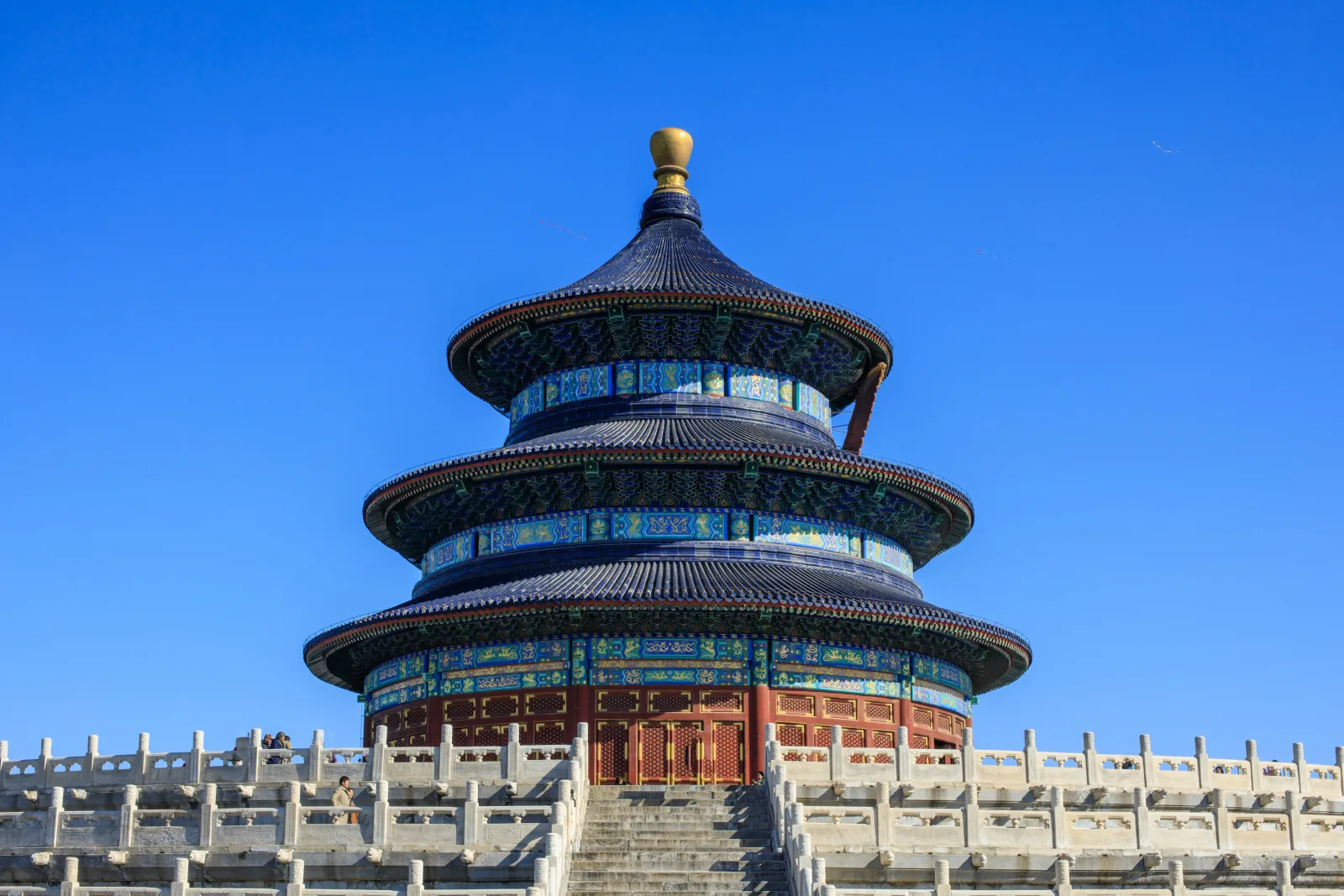
Temple of Heaven (天坛, tiāntán) is where Ming and Qing emperors prayed for good harvests. The architecture is more impressive than the Forbidden City, in a way: the Hall of Prayer for Good Harvests (祈年殿) is a circular blue-roofed building on three tiers that became the icon of Beijing. ¥35 ($5) entry, ¥70 ($10) for the combined ticket including the Echo Wall and Circular Mound Altar.
Plan to arrive by 8 AM. The local crowd — retirees doing tai chi, fan dancers, card players, kite flyers — is part of the experience. Allow 1.5–2 hours.
Midday (11:30–14:00) — Olympic Park + lunch
Skip the Bird’s Nest unless you’re an architecture fan — the exterior view from the subway is enough for most visitors. The Olympic Park is free to walk through. Have lunch at one of the restaurants in the Sanlitun (三里屯) area — Beijing’s most modern dining and shopping district. Try Din Tai Fung for xiaolongbao (soup dumplings) or one of the many international restaurants.
Afternoon (14:30–18:00) — Summer Palace
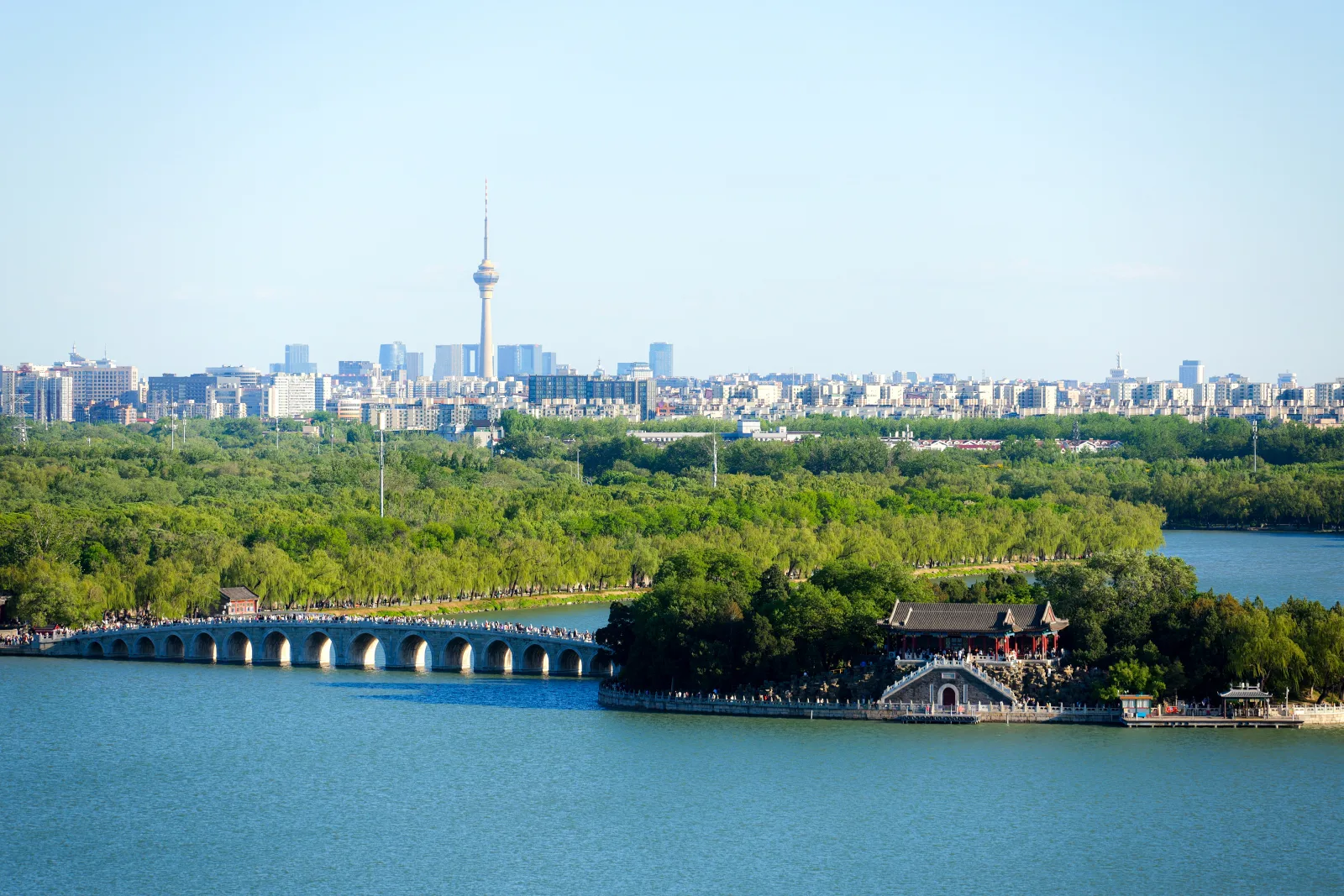
The Summer Palace (颐和园, yíhéyuán) is 20 km northwest of central Beijing, a 30-minute subway ride to the nearest station then a short bus. ¥30 ($4.20) entry in low season, ¥60 ($8.40) in high season. Allow 3 hours.
The Summer Palace is essentially the imperial family’s vacation home — a vast complex with Kunming Lake, Longevity Hill, the Long Corridor (728m of painted gallery), and the Marble Boat. The walk from the main gate to the Marble Boat via the Long Corridor is the highlight. In summer, you can take a dragon-boat ride on the lake.
Evening (18:30–21:00) — Hutong food tour or Peking Opera
End your trip with a hutong food tour. The best operators are Lost Plate and Beijing Food Tour — they take you to 6–8 family-run restaurants in the old alleys, where you’d never find on your own. ¥400–600 ($56–84) per person, 3 hours, including all food.
Alternative evening: a Peking Opera performance at the Liyuan Theater (梨园剧场, inside the Qianmen Hotel). ¥200–500 ($28–70) per ticket with English narration. The face-changing and acrobatics are more accessible than full operas.
Day trips if you have 4+ days
If you can extend your trip:
- Day 4: Ming Tombs + Sacred Way — 50 km north of Beijing, 1.5 hours each way. The underground palace of Dingling is the only excavated tomb. ¥90 ($13) entry.
- Day 5: Day trip to Tianjin — 30 minutes by high-speed train. European architecture, the famous Tianjin eye Ferris wheel, and the Porcelain House. Free to ¥50 ($7).
- Day 6: Beijing suburbs hike — Fragrant Hills Park (香山) in autumn (October) is one of China’s most famous fall foliage spots.
Where to stay
Budget (¥300–500/night, $42–70) — hostels and budget chains in Dongcheng or Xicheng. Top picks: Beijing Downtown Backpackers, Peking Yard Hostel, Kelly’s Courtyard. See our China travel budget guide.
Mid-range (¥600–1,200/night, $84–168) — 4-star hotels near Wangfujing or Sanlitun. Top picks: Hanting Express Wangfujing, JI Hotel Beijing, Novotel Beijing Xinqiao.
Luxury (¥1,500–4,000/night, $210–560) — international brands. Top picks: The Peninsula Beijing (¥2,500 / US$347+, near Wangfujing), Rosewood Beijing (¥3,000 / US$417+, CBD), Aman at Summer Palace (¥5,000 / US$694+, on the Palace grounds).
For complete booking advice, see our Trip.com vs Booking.com guide and where to find foreigner-friendly hotels.
Book this Beijing trip
These three platforms cover everything mentioned in this itinerary: the Mutianyu MuBus, the Forbidden City entry tickets, the hotels we recommend, and the hutong food tour. Click through to compare real-time prices for your dates.
Beijing hotels + HSR from Trip.com
Book the Peninsula Beijing, the high-speed train onward to Xi'an or Shanghai, and Forbidden City entry tickets — all in one cart, English interface, accepts foreign Visa/Mastercard.
Hotels from $35/night · HSR from $78
Booking essentials before you go
- Forbidden City tickets: book 1–7 days ahead via the official WeChat mini-program. Bring your passport; it’s tied to your ID
- Mutianyu MuBus: book at least 2 days ahead, especially in peak season
- Visa-free transit: see our 240-hour visa-free transit guide if you’re eligible
- Alipay/WeChat Pay: see our Alipay setup guide — most Beijing restaurants, taxis, and even street vendors use these
- eSIM: see our eSIM guide for data access
For an extended 2-week China trip that includes Beijing plus Xi’an, Shanghai, and other cities, see our 7-day classic China route. If you only have 48 hours, our 2-day Beijing layover itinerary covers the same essentials in compressed form.
Plan your trip — verified tools
These free tools are built on real, monthly-verified data and help you skip the trial-and-error phase of China trip planning:
- China 240-Hour Visa-Free Transit Checker — 57 countries, 24 provinces, 65 ports. See if you qualify for 10-day visa-free transit, which cities you can visit, and the 5-step process.
- China 6-City 5-Day Budget Calculator — Real 2026 prices for 5 days in Beijing, Shanghai, Guangzhou, Chengdu, Xi’an, or Hangzhou. Budget / mid-range / comfort tiers, broken down line by line.
Verified August 2026 by TravelHubChina Editorial. We re-check prices and policy details monthly so the data doesn’t drift.
Sources
Step by step
-
Set up Alipay and book tickets
Download Alipay, link a foreign Visa/Mastercard, and complete passport ID verification. Buy Forbidden City tickets (¥60 / $8.50) on the official WeChat mini-program 1-7 days ahead. Install Pleco or Google Translate with an offline Chinese pack as backup.
-
Day 1: Forbidden City + hutong
Arrive at Tiananmen by 8 AM, enter the Forbidden City via Meridian Gate by 9 AM (closed Mondays, last entry 3:30-4 PM). Allow 3 hours; pick up the ¥40 ($5.50) audio guide. Climb Jingshan Park (¥2 / $0.30) for the rooftop view. End at Nanluoguxiang hutong (free) and Peking duck at Da Dong or Quanjude (¥300-500 / $42-70).
-
Day 2: Mutianyu Great Wall
Take MuBus from Wangfujing at 7:30 AM (¥80 / $11 round-trip, book ahead). Cable car up to Tower 14 (¥100 / $14), walk east to Tower 23 (1.5 hr, mostly flat with a few steep sections), return via toboggan (¥100 / $14). Back in Beijing by 6 PM; dinner in the Houhai lake area.
-
Day 3: Temple of Heaven + Summer Palace
Start at Temple of Heaven by 8 AM (¥35 / $5, watch locals doing tai chi and fan dancing). Afternoon at the Summer Palace (¥30-60 / $4-8.40, 20 km NW, 3 hr visit via the Long Corridor). Evening hutong food tour with Lost Plate (¥400-600 / $56-84) or Peking Opera at Liyuan Theater (¥200-500 / $28-70).
FAQ
-
Is 3 days enough for Beijing?
Yes - 3 days is the right amount for a first-timer. It covers the imperial landmarks (Forbidden City, Temple of Heaven, Summer Palace), one Great Wall section, and a hutong food tour at a relaxed pace. With 2 days, drop the Summer Palace. With 4+, add a Tianjin day trip or the Ming Tombs. -
Which Great Wall section should I visit on a 3-day Beijing trip?
Mutianyu is the best first-timer choice: less crowded than Badaling, more restored than Jiankou, with a cable car and toboggan. Jinshanling is more dramatic for serious hikers (2 hr drive, 10 km wall walk). Badaling is the closest but the most tour-bus crowded. Jiankou is wild and unrestored - only for experienced hikers. -
Is Beihai Park worth visiting in Beijing?
Yes if you are already in the Jingshan Park area - Beihai's east gate is a 15-minute walk from Jingshan, and the gate ticket is 10 yuan in peak season (5 yuan November-March). Allow 1.5 hours for the lake shore and 2.5 hours if you climb Qionghua Island to the White Dagoba, which needs the 20 yuan combined ticket. Go in the late afternoon: the dagoba catches the last light and the north gate drops you at Metro Line 6, 10 minutes from the Houhai hutongs. The park is a working imperial garden from the Liao and Jin dynasties, not a reconstructed set, which is why it pairs so well with the Forbidden City the same day. -
Do I need to book Beihai Park tickets in advance?
Yes. Beihai releases timed, real-name tickets 1-7 days ahead through the Changyou Gongyuan (畅游公园) WeChat mini-program or the Jingtong app. Foreign visitors book the same way with a passport number, then scan the QR code at the gate and show the passport - there is no separate foreigner queue and no ticket window you can simply walk up to in peak season. Tuancheng, the circular walled terrace by the south gate, costs 1 yuan extra unless you bought the combined ticket. -
When is the best time to visit Beijing?
April-May and September-October are ideal (15-25°C, clear skies, autumn foliage in October). Summer (Jun-Aug) is hot and humid (30-38°C). Winter (Dec-Feb) is cold (-5 to 5°C) but offers the fewest crowds and the best Mutianyu snow scenes. Avoid Chinese New Year (late Jan/Feb) and National Day Golden Week (Oct 1-7) when prices are 2-3x higher.
Related guides
- Itineraries
Beijing 2-Day Layover Itinerary: Max China, Min Time
Two-day Beijing layover itinerary: Forbidden City highlights, Mutianyu Great Wall, Peking duck and a hutong night walk. PEK/PVG transfers take 1-1.5 hours.
9min read
- Itineraries
First Time in Beijing 2026: A Practical Guide
What decides your trip: visa-free entry for 50 countries, Alipay set up before you fly, and PEK 25 km from the city with an Airport Express.
12min read
- Itineraries
Shanghai Itinerary 2026: 5 Days from the Bund to Zhujiajiao
Shanghai itinerary for 5 days: from the Bund to Zhujiajiao — Yu Garden, the French Concession, a water-town day trip and Shanghai Tower. ¥2,000-3,500 (US$278–486).
11min read
- Itineraries
Chengdu Itinerary 2026: 3 Days Pandas, Hot Pot & Leshan
Chengdu 3-day itinerary: Panda Base at dawn, Sichuan hot pot, Jinli Street, a Leshan Giant Buddha day trip and a Sichuan opera night. ¥1,500-2,500.
10min read
- Itineraries
Xi'an Itinerary 2026: 4 Days, Warriors, Wall & Mount Hua
Four-day Xi'an itinerary: the Terracotta Warriors, a City Wall bike ride, the Muslim Quarter food tour and a Mount Hua day trip. ¥1,800-3,000 per person.
10min read
- Itineraries
Guangzhou Itinerary 2026: 3 Days Dim Sum & Pearl River
Guangzhou 3-day itinerary: Canton Tower sunset, Cantonese dim sum, the Shamian Island colonial walk, Chen Clan Hall and a Pearl River cruise.
10min read

