
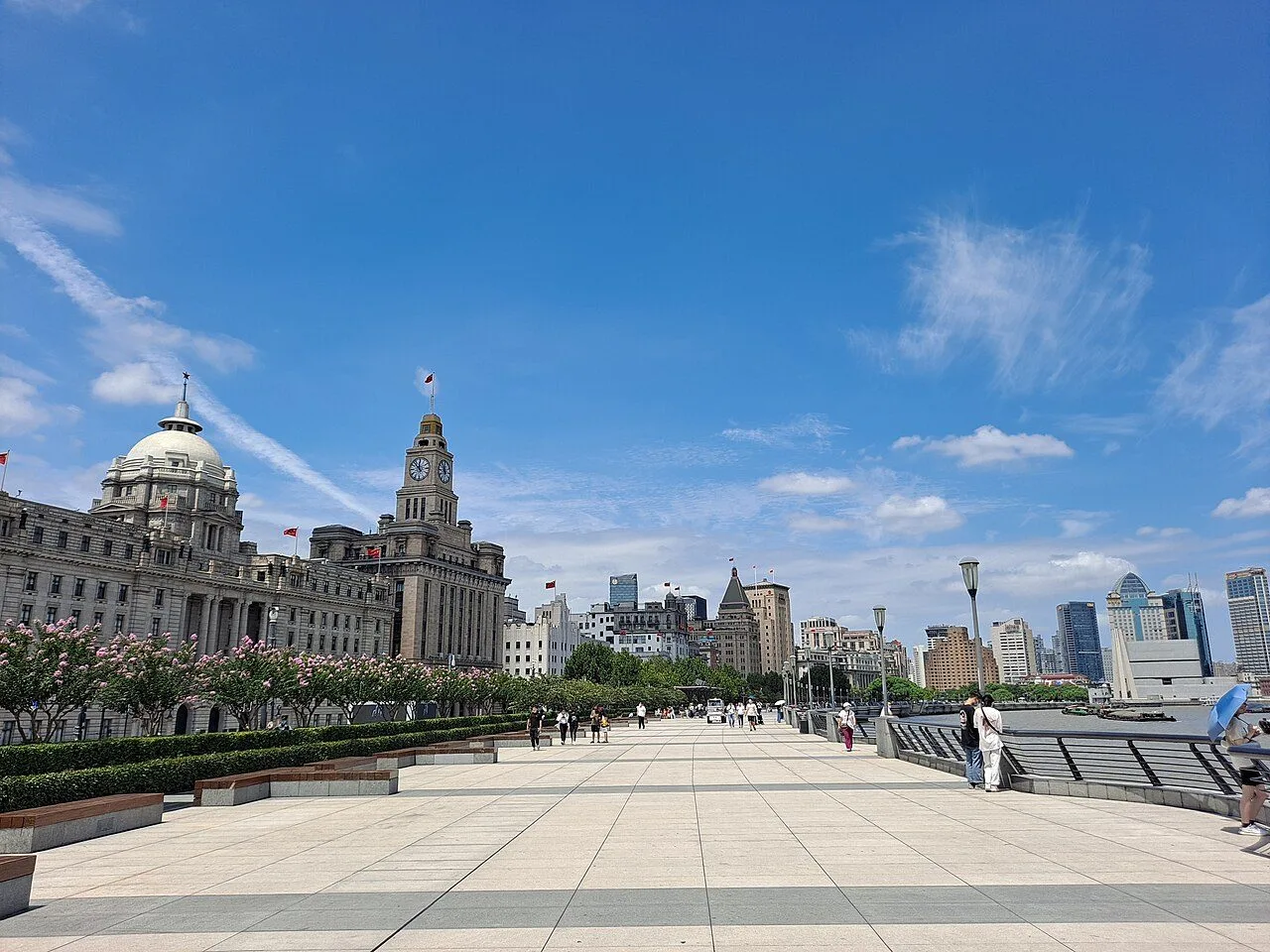
The Bund
外滩 · Wàitān
Quick answer
The Bund is a public open space. No passport required, no ticket, no ID check at any entrance. Walk in from any of the 12 promenade access points at any time of day or night.
Why visit
- 1 1.5 km of perfectly preserved 1920s-1930s colonial-era architecture along the Huangpu River
- 2 Across the river: the Lujiazui skyline — Oriental Pearl Tower, Shanghai Tower (632m), Jin Mao Tower
- 3 Free, open 24/7, no ticket, no reservation, no passport required at any point
- 4 The night view (lights on 19:00, full dark ~19:30) is one of the most-photographed cityscapes in Asia
- 5 Take the ¥2 Huangpu River ferry to Lujiazui for the iconic skyline-from-the-water photo
Essential tips for foreigners
- Best time: arrive 30 min before sunset (varies by season; check sunset time for your visit date) and stay for the light show. The transition from day to night is the only time you get the warm architectural lights AND the natural sky in the same photo.
- The Bund is pedestrian-only. No cars on Zhongshan East 1st Road. Use East Nanjing Road metro (Lines 2 and 10), Exit 1 or 7 for the central access point.
- The Huangpu River ferry to Lujiazui is ¥2 cash — pay on board, no booking. It's the same ferry locals use to commute, and it gives you the classic skyline-from-the-water photo for almost no money.
- Avoid Friday and Saturday 7-10 PM if you don't like crowds. The promenade gets shoulder-to-shoulder during peak tourist season. Sunday morning is the calmest time.
- The Bund History Museum (外滩历史纪念馆) at No. 29 is the only place on the Bund itself with a real explanation of what you're looking at — worth ¥20 and 30 minutes if you want context.
Suggested route
- 17:00 15 min Take Metro Line 2 to East Nanjing Road Station, Exit 1. Walk east to the promenade.
- 17:15 30 min Start at the south end (Yan'an East Road). Walk the promenade north toward Waibaidu Bridge. The sun will be low and warm on the building facades.
- 17:45 15 min At the elevated viewing platform near the Customs House, stop and watch the sunset over Lujiazui. The buildings start their light show at sunset.
- 18:00 30 min Walk to the Shiliupu Wharf (south end, 10 min back the way you came). Take the ¥2 ferry to Lujiazui. The 5-minute crossing is the classic photo.
- 18:30 1.5 hours In Lujiazui, take the elevator to the 118th-floor observation deck of Shanghai Tower (¥180) for the view from above. Or walk around the base of the Oriental Pearl Tower for ground-level photos.
- 20:00 2 hours Take the ferry back to the Bund (¥2). Have dinner at one of the Bund restaurants or in Lujiazui. Return to your hotel via Metro Line 2.
Shanghai’s 1.5-kilometer open-air museum
For 150 years, the Bund has been the front door of Shanghai. In the 1840s it was a muddy towpath along the Huangpu River where British traders tied up their ships. By the 1920s it was the financial center of East Asia, lined with the offices of HSBC, Standard Chartered, Jardine Matheson, and the Shanghai Customs House — all built in the grand European styles of the day. Today it is a 1.5-kilometer pedestrian promenade where 52 of those original buildings still stand, every one of them a registered heritage site, facing the 632-meter Shanghai Tower across the river.
The Bund is free, open 24 hours a day, requires no ticket and no passport, and is the single most important stop in Shanghai for any first-time foreign visitor. Most travelers come for the night view — and they should — but the morning walk, with the buildings in clear daylight and the promenade almost empty, is the underrated experience.
A brief history
The name “Bund” (外滩, Wàitān, literally “outer bank”) comes from the Anglo-Indian term for a raised embankment along a river. The British established a concession here in 1845 after the First Opium War, and for the next 100 years the Bund was the financial and diplomatic center of the Western presence in China. By the 1920s it had earned the nickname “Wall Street of the Far East”.
The 52 surviving buildings were built between 1900 and 1937, in a mix of Gothic, Baroque, Beaux-Arts, Art Deco, Romanesque, and Renaissance Revival styles — a “World Architecture Expo” (世界建筑博览群) as the Chinese description goes. The most photographed are the Customs House (No. 13, 1927, with its iconic clock tower modeled on Big Ben), the former HSBC Building (No. 12, now Pudong Development Bank, with 28 marble columns in the lobby), the Fairmont Peace Hotel (No. 20, originally Sassoon House), and the Bank of China building (No. 23, the only heritage building designed by a Chinese architect).
The modern pedestrian promenade was completed in two phases: the 1990s renovation that made the Bund accessible to the public, and the 2010 renovation on the eve of the Shanghai World Expo that widened the riverside area and created the elevated viewing platform. In 2024-2025, the East Nanjing Road metro station (the main Bund access point) was extensively renovated with new escalators, 36 luggage lockers, and Shanghai’s first combined metro-information-and-KFC service center.
What to see
The 52 heritage buildings: Walk the full length and look up. Every building has a story — HSBC built a vault in 1923 that was impassable for 30 years, the Customs House has the largest clock in Asia (the chime at the quarter-hour is famous across the city), and the Asia Building (No. 1) housed the original Shanghai Club where the longest bar in the East served British traders for 90 years. The on-site Bund History Museum (No. 29, ¥20) explains all of this in 30 minutes and is genuinely worth the stop.
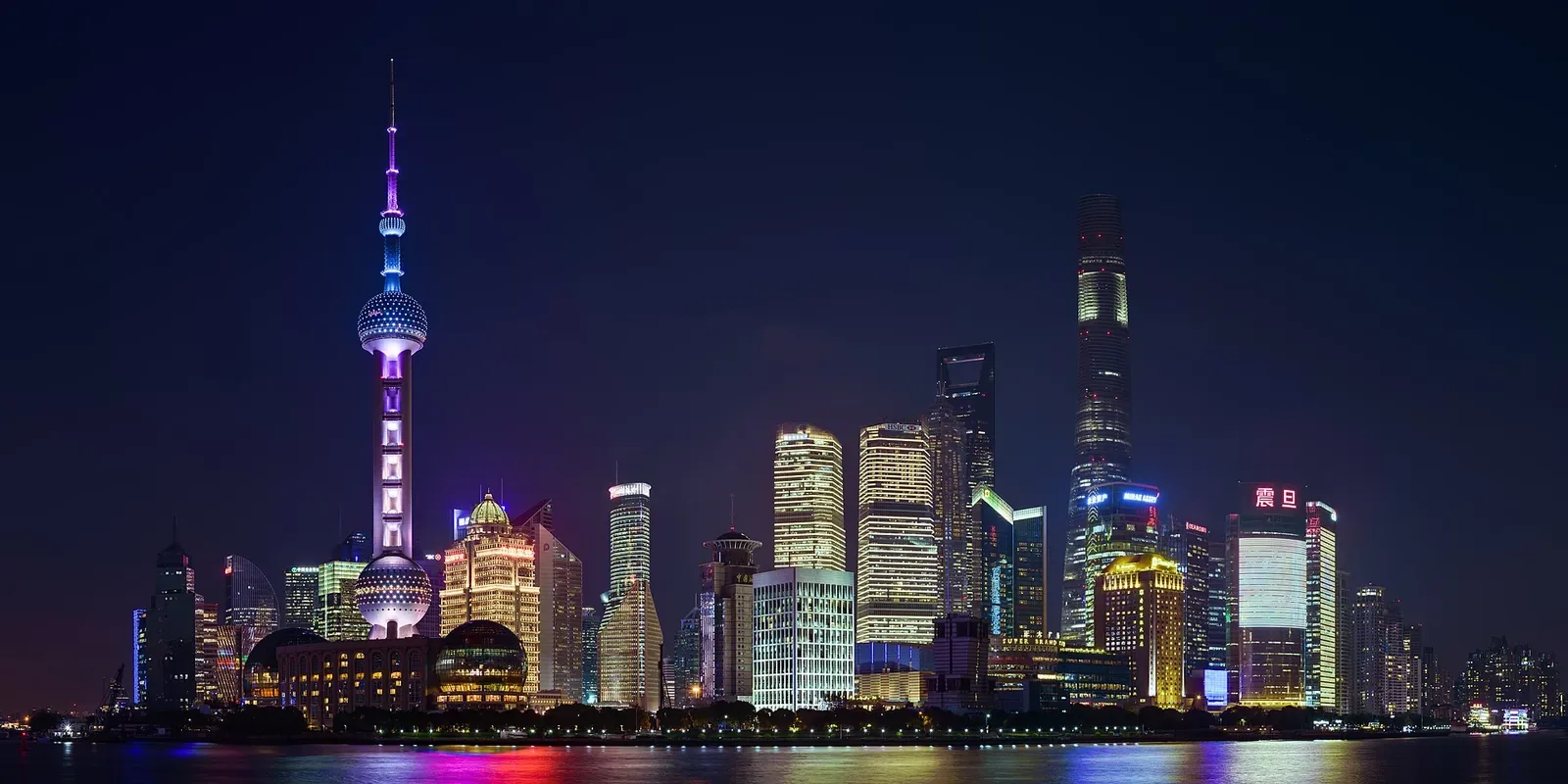
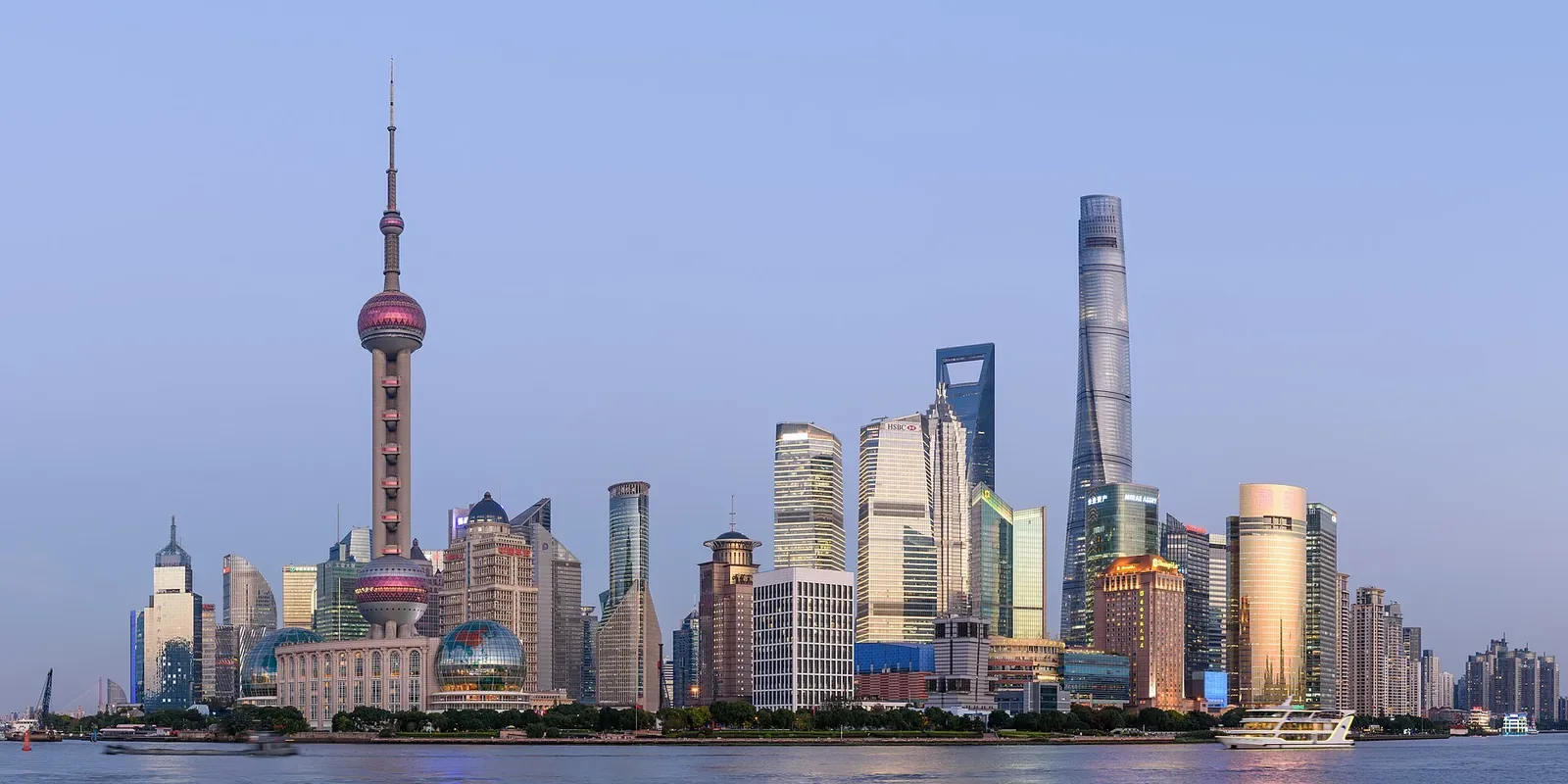
The Pudong skyline across the river: From any point on the Bund, the view across the Huangpu is the Lujiazui financial district. The four landmark towers are: the Oriental Pearl TV Tower (东方明珠, 1994, the silver ball structure); the Jin Mao Tower (金茂, 1999, pagoda-inspired); the Shanghai World Financial Center (上海环球金融中心, 2008, the bottle-opener); and the Shanghai Tower (上海中心, 2015, 632m, the spiral tower, third-tallest building in the world).
Chen Yi Square (陈毅广场) at the south end: open plaza with the Monument to the People’s Heroes and a good wide-angle view of the full 1.5 km of buildings.
The Huangpu River ferry: The 5-minute crossing from Shiliupu Wharf to Lujiazui costs ¥2 cash and is the same ferry local commuters use. The photo from the lower open-air deck — the full Pudong skyline reflected in the water — is the single most iconic Shanghai image.
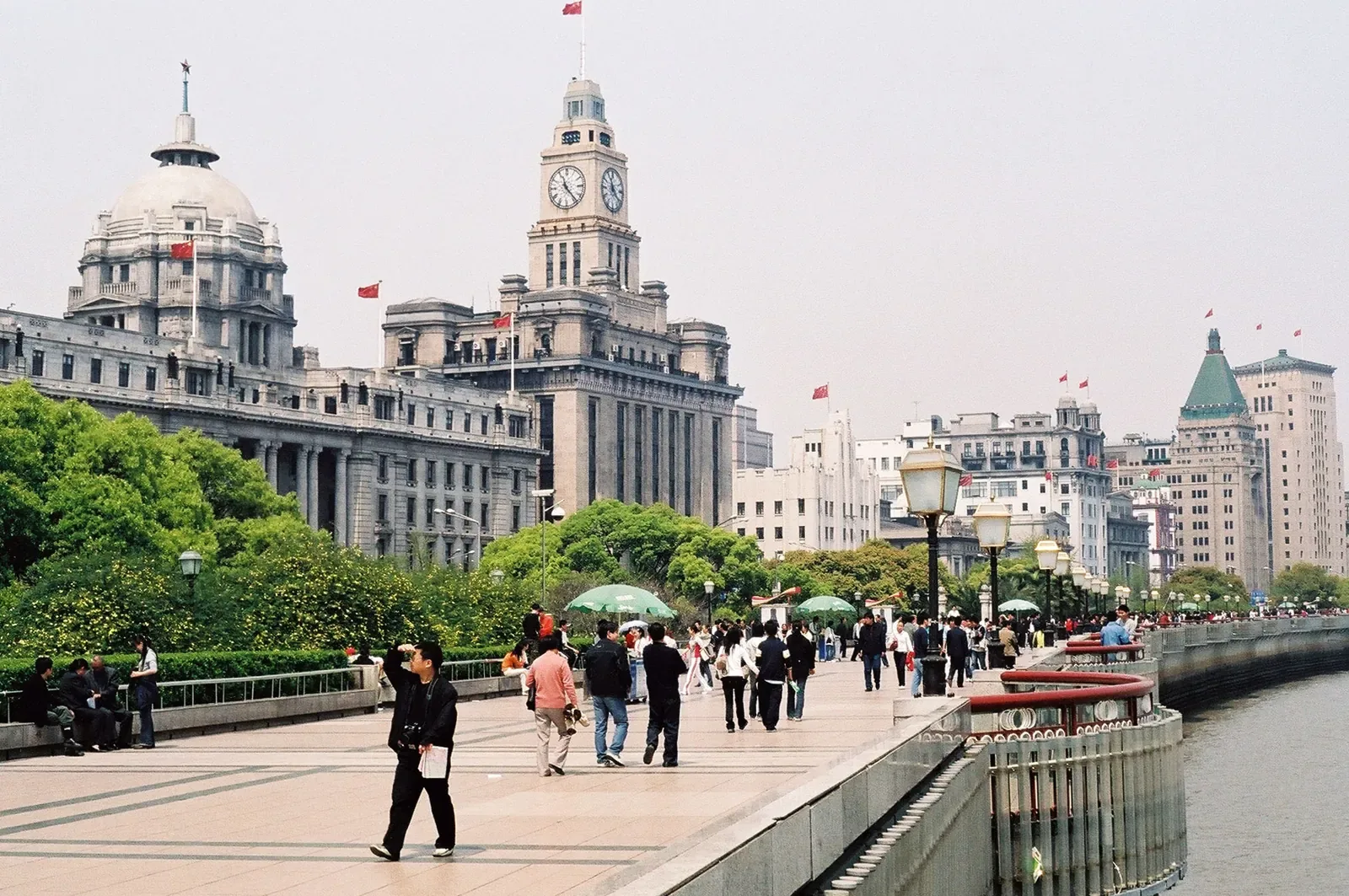
The night view
The Bund’s light show runs every night from sunset to 22:00. The buildings are floodlit from below with warm golden LED lights; the Pudong skyline does its own synchronized light show across the river. The best photo time is the 30-minute window from sunset to full dark, when you get the lit buildings AND a sky with color in the same frame. After full dark (about 30 min after sunset year-round) the sky turns black and the photos are more contrasty but less atmospheric.
Weekend evenings (Friday and Saturday 19:00-22:00) are extremely crowded — the promenade becomes shoulder-to-shoulder, and the elevated viewing platform requires patient queueing. Sunday morning is the calmest time for photos. Weekday evenings after 21:00 are also manageable.
Getting to the Bund
The main access is East Nanjing Road Station (南京东路站) on Metro Lines 2 and 10. Exit 1 or 7 brings you out 3 minutes’ walk from the central promenade. Lines 2 and 10 are the two most foreigner-friendly lines in Shanghai — they connect to the airports (Line 2 to Pudong International and Hongqiao) and to the high-speed railway station (Line 2 to Hongqiao Railway Station).
If you are already in Pudong (Lujiazui), take Metro Line 2 to Lujiazui Station and walk 5 minutes to the ferry pier, then take the ferry across.
Didi and taxi drop-offs work, but the streets around the Bund are pedestrian-only between roughly 10:00 and 22:00 daily, so cars can only get you to the edge of the area.
When to visit
The Bund is open year-round, but the experience varies significantly:
- Spring (March-May): Best weather. Temperatures 12-22°C, occasional rain, clear skies most days. Most comfortable for the full 1.5 km walk.
- Summer (June-August): Hot and humid (32-38°C), but the night view is dramatic. The wind off the river makes the promenade more comfortable than inland Shanghai.
- Autumn (September-November): Best for photography. Clear skies, lower humidity, beautiful sunset light. The most popular tourist season.
- Winter (December-February): Cold and windy (0-8°C, with wind chill on the open promenade). The buildings lit at night against a winter sky are especially dramatic. Fewer crowds.
Practicalities for foreign visitors
- Payment: All on-site spending (museum, ferry, restaurants) accepts Alipay (with international Visa/Mastercard linked) and WeChat Pay. See our Alipay for foreigners guide.
- Restrooms: Available at the Bund Plaza shopping mall (No. 18), the Chen Yi Square visitor center, and the East Nanjing Road metro station. Clean and modern.
- Lockers: Available at the East Nanjing Road metro station (36 lockers, ¥5-15/hour, multiple sizes) — useful if you want to walk the Bund without dragging luggage. Not available on the promenade itself.
- Photography: Allowed throughout. The light show is best with a tripod if you have one, but hand-held with a modern phone camera is fine. The Customs House clock tower is the most-photographed single landmark.
- Tourist scams: The most common are the “tea ceremony” / “art student” / “secret bar” approaches near the promenade. Polite but firm “bu xie” (不谢, no thanks) and walk on. Anyone selling watches, handbags, or “iPhones” on blankets is selling fakes.
- Weather: The promenade is open-air with no shelter from rain. If it starts raining, the nearest shelter is the Bund Plaza mall or the East Nanjing Road metro station.
What to do nearby
If you have a full day, combine the Bund with these:
- Nanjing Road Pedestrian Street (南京路步行街): 1 block west, 1.2 km of continuous shopping. Worth a 30-minute stroll for the experience, not for the shopping.
- Yu Garden and Old City (豫园): 15 min walk south, a Ming-dynasty classical garden with the famous Huxinting tea house. ¥40 entry.
- Lujiazui (陆家嘴): across the river, the modern skyline. Take the ferry or Metro Line 2. Shanghai Tower observation deck (118th floor, ¥180) is the highlight.
- Shanghai Museum (上海博物馆): 10 min walk west, free, one of the best collections of Chinese antiquities in the world. Closed Mondays.
Final tip
The Bund is best at the transition. Show up 30 minutes before sunset, walk the full 1.5 km from south to north while the buildings are still in daylight, double back to the elevated viewing platform as the lights come on, take the ¥2 ferry to Lujiazui for the back-side view, and end the evening with a cocktail at the Peace Hotel’s Long Bar. That is a perfect Shanghai evening, and it is the only city in the world where a 150-year-old colonial skyline faces a 600-meter modern tower across the same river.
Best photo spots
-
Elevated viewing platform near Customs House (海关大楼) · Sunset to 30 min after
The most-photographed single spot on the Bund. The Customs House clock tower in the foreground, the Lujiazui skyline across the river, and the warm lights on both sides after dark. Get here 20 min before sunset for a good spot.
-
Waibaidu Bridge (外白渡桥) at the north end · Night, after 19:30
The iconic iron bridge at the north end of the Bund, fully lit at night. The combination of the bridge, the colonial buildings, and the river reflections is the cover image of countless Shanghai guidebooks.
-
Chen Yi Square (陈毅广场) at the south end · Late afternoon, 16:00-17:00
Wide-angle shot of the full Bund skyline from the south end. Best for getting the full 1.5 km of buildings in one frame.
-
From the Huangpu River ferry, mid-crossing · Sunset or after dark
The classic skyline-from-the-water photo. Stand on the lower open-air deck, hold the camera at chest height, and shoot across the river.
-
Peace Hotel (No. 20) entrance · Night, after 20:00
The Art Deco facade of the Fairmont Peace Hotel, lit from below. The most-photographed single building on the Bund. The hotel's original name — Sassoon House — is still visible on the roofline in English.
Where to eat nearby
-
Lost Heaven on the Bund (花马天堂)
Yunnan / Southeast Asian fusion · ¥200-350/person · 3 min walk from the Bund, on Yan'an East Road
-
M on the Bund (外滩三号餐厅)
Modern European (set menu) · ¥400-800/person · On the Bund, in the Bund No. 3 building (No. 3 Zhongshan East 1st Road)
-
Hai Di Lao (海底捞) — Bund branch
Sichuan hot pot (foreigner-friendly, English menu, great service) · ¥150-250/person · 10 min walk from the Bund, on Nanjing East Road
-
Jia Jia Tang Bao (佳家汤包)
Shanghai soup dumplings (xiaolongbao) · ¥30-60/person · 5 min walk west, on Huanghe Road (黄河路)
-
Fairmont Peace Hotel — Long Bar (和平饭店·长吧)
Cocktails, light food (historic 1903 bar) · ¥150-300/person (drinks) · On the Bund, 8th floor of the Peace Hotel
Frequently asked questions
How much does the Bund cost?
Free. The Bund is a public riverside promenade, open 24/7, with no ticket, no reservation, and no passport required. The only paid element on the Bund itself is the Bund History Museum (¥20). If you take the Huangpu River ferry to Lujiazui, the crossing is ¥2 cash (¥5 if you want a covered upper-deck seat).
Do I need a passport to visit the Bund?
No. The Bund is a public open space and there is no ID check at any entrance. The only situation where you need a passport is for entering the historic buildings (most of which are now banks, hotels, or restaurants with their own access control) — but the promenade itself is completely open.
What is the best time of day to visit the Bund?
Sunset to 1 hour after sunset is the gold standard. The buildings start their nightly light show at sunset, the sky still has color for the first 20 minutes, and the Lujiazui skyline across the river is fully lit by 19:00 year-round. If you can only come once, time it for this window. Early morning (6-8 AM) is the second-best time for photos — empty promenade, soft golden light, no tour groups.
How do I get to the Bund by metro?
East Nanjing Road Station (南京东路站) on Lines 2 and 10, Exit 1 or 7. From Exit 1, walk 3 minutes east to the promenade. The station has been extensively renovated in 2024-2025 with new escalators, multilingual signage, expanded luggage storage (36 lockers in 4 sizes, ¥5-15/hour), and Shanghai's first combined metro-information-and-KFC service center. The station handles 220,000+ daily passengers during peak season.
What is there to do on the Bund besides look at the buildings?
The main activity is the riverside walk itself (1.5 km from Yan'an East Road in the south to Waibaidu Bridge in the north) and the Huangpu River ferry. Beyond that: the Bund History Museum (¥20, recommended); the Chen Yi Square area at the south end with its Monument to the People's Heroes; the Fairmont Peace Hotel for afternoon tea or a drink at the Long Bar; the Rockbund Art Museum (3 min walk north) for contemporary Chinese art; and shopping/dining on Nanjing Road Pedestrian Street, 1 block west.
Can I take the ferry from the Bund to Lujiazui?
Yes, and you should. The Huangpu River ferry runs from Shiliupu Wharf (十六铺码头, at the south end of the Bund) to Lujiazui (东方明珠码头) on the Pudong side. Cost: ¥2 cash for the open-air main deck, ¥5 for the covered upper deck. Ferries run every 15-20 minutes, 7:00-22:00, no reservation needed. The 5-minute crossing gives you the classic skyline-from-the-water photo.
Is the Bund wheelchair accessible?
Yes. The promenade is fully paved and flat. Ramps connect the street level to the riverside walk at every access point. The Chen Yi Square area and the elevated viewing platform are both accessible. The only non-accessible element is the steep stepped section at the very south end near Yan'an Road — for the full accessible route, enter at East Nanjing Road and head north.
Is the Bund safe at night?
Yes. The Bund promenade is one of the safest public spaces in Shanghai — heavily monitored, well-lit, and busy until 22:00. The main safety note is to watch for pickpockets in the dense crowds at peak times (Friday and Saturday evening). Keep your bag zipped and in front of you. Do not accept "tea ceremony" or "art student" invitations from strangers on or near the Bund — these are well-known scams that funnel you into overpriced shops. The same goes for anyone offering to take you to a "secret bar".
What's the difference between the Bund and Pudong (Lujiazui)?
The Bund is on the west (Puxi) side of the Huangpu River and is the historic colonial-era skyline — 52 buildings from 1910s-1930s in Gothic, Baroque, Art Deco, and Romanesque styles. Pudong's Lujiazui is on the east side of the river and is the modern financial district — the Oriental Pearl TV Tower (1994), the Jin Mao Tower (1999), the Shanghai World Financial Center (2008), and the Shanghai Tower (2015, 632m, the third-tallest building in the world). You see the Bund skyline from Pudong, and the Pudong skyline from the Bund. Both views are spectacular; the classic photo is taken from the Bund looking at Pudong.
Can I go inside the historic Bund buildings?
Most are working banks, hotels, or government offices, not open to the public. The notable exceptions: the Fairmont Peace Hotel (No. 20) — visit the lobby, the Jasmine Lounge for afternoon tea, or the historic Long Bar on the 8th floor (the bar Charlie Chaplin frequented); the AIA Insurance Building (No. 17) has a free ground-floor exhibition on Bund architecture; and the Customs House (No. 13) has a small museum (¥10) inside. The Asia Building (No. 1) is closed for long-term renovation as of 2026.
What is the dress code for the Bund?
No dress code. The Bund is a public space — you'll see everyone from suited bankers to backpackers in shorts. In summer (June-August) it is hot and humid (32-38°C); bring water and wear sunscreen. In winter (December-February) it is cold and windy off the river (0-8°C); the wind chill on the open promenade is real, even if the day temperature is mild. The promenade is open-air with no shelter — there is no way to escape rain except the Bund Plaza shopping mall at No. 18.