
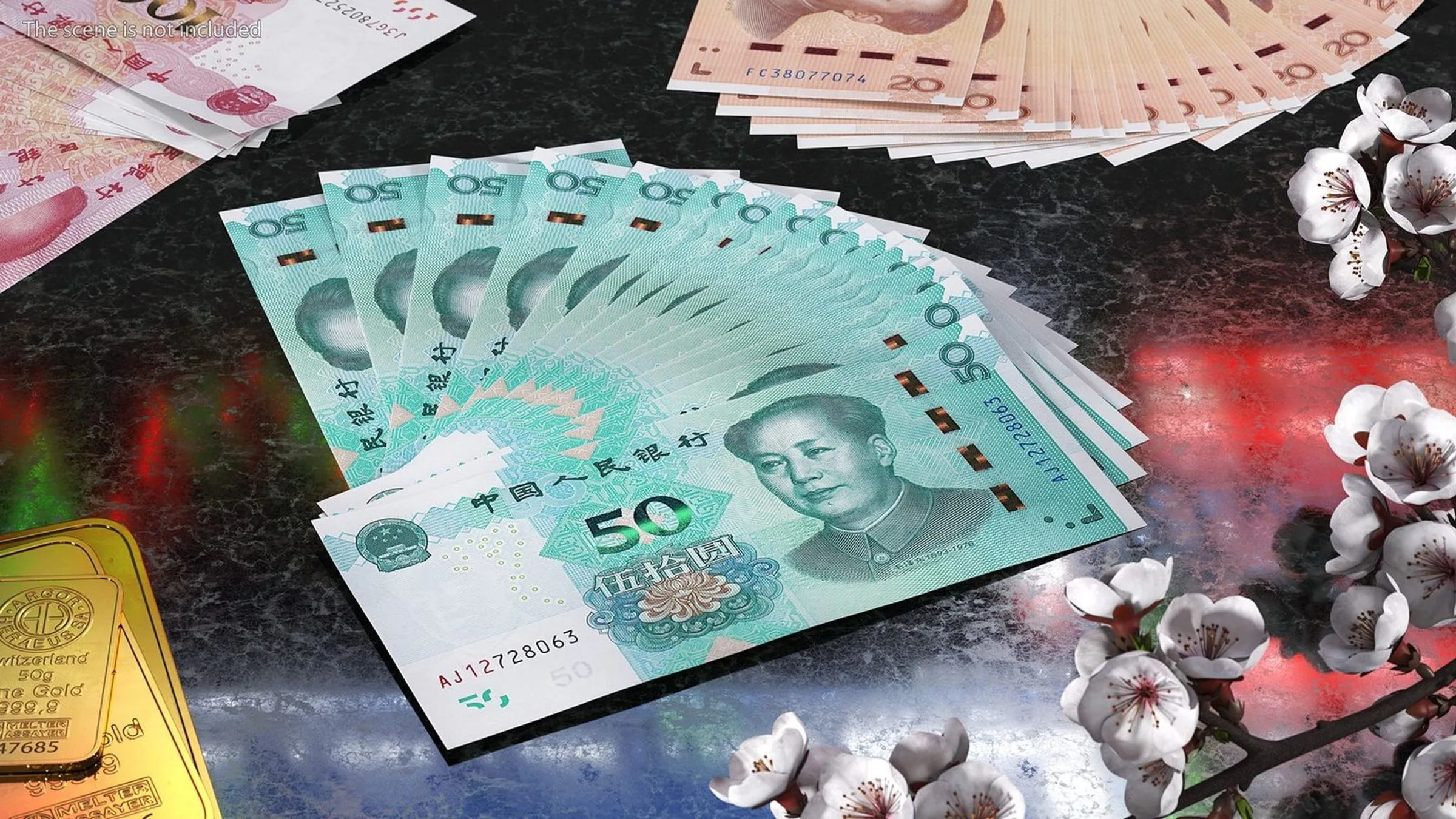
How Much Cash to Bring to China (and Where to Exchange)
How much RMB cash to bring to China in 2026, where to exchange (best rates), ATM vs airport counter, and when cash is still the only option.
You need surprisingly little cash for a China trip in 2026 — about ¥500–1,000 (~$70–140) for a one-week visit is plenty as backup, because Alipay and WeChat Pay cover 95% of daily spending. But you should still bring some, because there are specific situations where cash is the only thing that works: rural taxis, traditional wet markets, some temples, the occasional QR-code-broken vendor. This guide covers how much to bring, where to exchange for the best rate, and how to use ATMs without getting burned by fees.
The realistic amount of cash to carry
By traveler type:
| Trip length | Cash amount (RMB) | Cash amount (USD equivalent) |
|---|---|---|
| Weekend city break (3 days) | ¥300–500 | $42–70 |
| One week, tier-1 cities | ¥500–1,000 | $70–140 |
| One week, mixed cities + small towns | ¥1,000–2,000 | $140–280 |
| Two weeks, full tour | ¥2,000–3,000 | $280–420 |
| Rural-focused or off-the-grid | ¥3,000+ | $420+ |
These are backup amounts, not your primary payment method. You’ll spend most of your money through Alipay and WeChat, and these are the scenarios where cash matters:
- A taxi driver who can’t or won’t take mobile payment
- A street food vendor with a broken QR code sticker
- A traditional market in a smaller city
- A temple donation box or entrance fee
- A small-town bus or shared van
- Tipping a guide, driver, or hotel porter
- An emergency where both apps fail (rare but possible)
Anything above ¥3,000 in cash is overkill for most travelers. The reason: carrying large amounts of cash is risky (loss, theft) and there are no rewards for it. Better to keep the bulk in your bank account and use mobile payment or ATM withdrawals.
Exchange money: best rates, by source
The order from worst to best rate:
- Airport currency exchange counters — convenient but bad rates (3–5% markup). Use only for the first ¥200 to get you to the hotel.
- Hotel front desks — similar to airports. Convenient but expensive.
- Bank branches (Bank of China, ICBC, etc.) — fair rates (0.5–1% markup) but require your passport and a 20–30 minute process.
- ATM withdrawals (using a foreign card) — best rates (network wholesale rate + small bank fee), most convenient.
- Pre-purchase RMB before you leave home — variable; sometimes slightly better, sometimes worse than ATM.
Source: China Briefing payment FAQ, which recommends ATMs as the best option for most travelers.
ATM withdrawals: the practical approach
Using your home bank card at a Chinese ATM gives you the wholesale exchange rate plus a small fee. The two main fees to be aware of:
- Your bank’s foreign ATM fee: typically $0–$5 per withdrawal. Many travel-friendly accounts (Charles Schwab, Chase, Capital One 360) refund this fee.
- The Chinese ATM operator’s fee: typically ¥10–30 per withdrawal, charged to your account.
The optimal strategy:
- Make one large withdrawal instead of several small ones (~$200 USD at a time).
- Use ATMs attached to major banks (Bank of China, ICBC, China Construction Bank, Agricultural Bank of China, HSBC, Standard Chartered) — they’re in major cities and at airports.
- Withdraw in CNY (¥), not your home currency. If the ATM offers to charge you in your home currency, decline — that’s dynamic currency conversion, which gives you a bad rate.
- Notify your bank before you leave so they don’t flag the China transactions as fraud.
Most Chinese ATMs have an English-language option. Look for the green “ATM” or “International Cards Accepted” sticker. Avoid standalone ATMs in convenience stores — they sometimes have higher fees or don’t accept foreign cards.
Daily ATM withdrawal limits
Chinese ATMs typically have per-transaction limits of ¥2,000–5,000 (~$280–700) depending on the bank. Some impose daily limits of ¥10,000–20,000. If you need more, just make multiple withdrawals from different ATMs. There is no fee from the Chinese side for additional withdrawals on the same day, though your home bank might charge.
What to do if your card gets stuck
Foreign cards occasionally get retained by Chinese ATMs due to network errors or security holds. The recovery process:
- Call the bank’s 24-hour international hotline (printed on the ATM or the bank’s English signage)
- They’ll verify your identity and either release the card remotely or tell you which branch to retrieve it from
- Bring your passport to retrieve the card
- If retrieval is impossible, the bank issues a temporary card or arranges a wire transfer to your home account
This is rare. In our reading of hundreds of user reports, ATM retention affects under 1% of foreign card transactions. Still, plan for it: don’t make your last withdrawal right before flying out.
Where to get RMB before you leave home
Most US and European banks don’t sell RMB over the counter — you usually have to order it 3–5 business days in advance. In the UK and Europe, travel money services like Travelex, MoneyGram, and CurrencyFair offer RMB in major cities.
Pre-paid travel cards (Revolut, Wise, Revolut) are increasingly popular for China:
- Wise multi-currency card: Holds RMB directly. Best exchange rate (mid-market) when spending in RMB. Free ATM withdrawals up to $200/month, then 2% fee.
- Revolut Standard/Premium: Holds multiple currencies, allows conversion at interbank rate during business hours. Free ATM withdrawals up to £200/month on Standard, £400 on Premium.
- Charles Schwab Investor Checking (US only): No foreign transaction fees, refunds all ATM fees worldwide, including China.
If you already use one of these, it’s the cleanest cash solution. Otherwise, just bring a small amount of USD or your home currency and exchange at a Chinese bank or ATM.
The customs limit: don’t carry more than $5,000 USD equivalent
Chinese customs requires you to declare cash over $5,000 USD equivalent (or ¥20,000) when entering or leaving China. Failure to declare is a legal violation; seizure of undeclared amounts is possible.
Source: China Briefing arrival card FAQ.
In practice:
- For under $5,000 USD equivalent, no declaration needed.
- For $5,000–$10,000 USD, declare at the red customs channel.
- Over $10,000 USD, additional restrictions apply (you’ll need bank statements showing where the money came from).
This is rarely an issue for tourists. Just don’t carry more than you need.
Using cash: practical tips
Small bills only
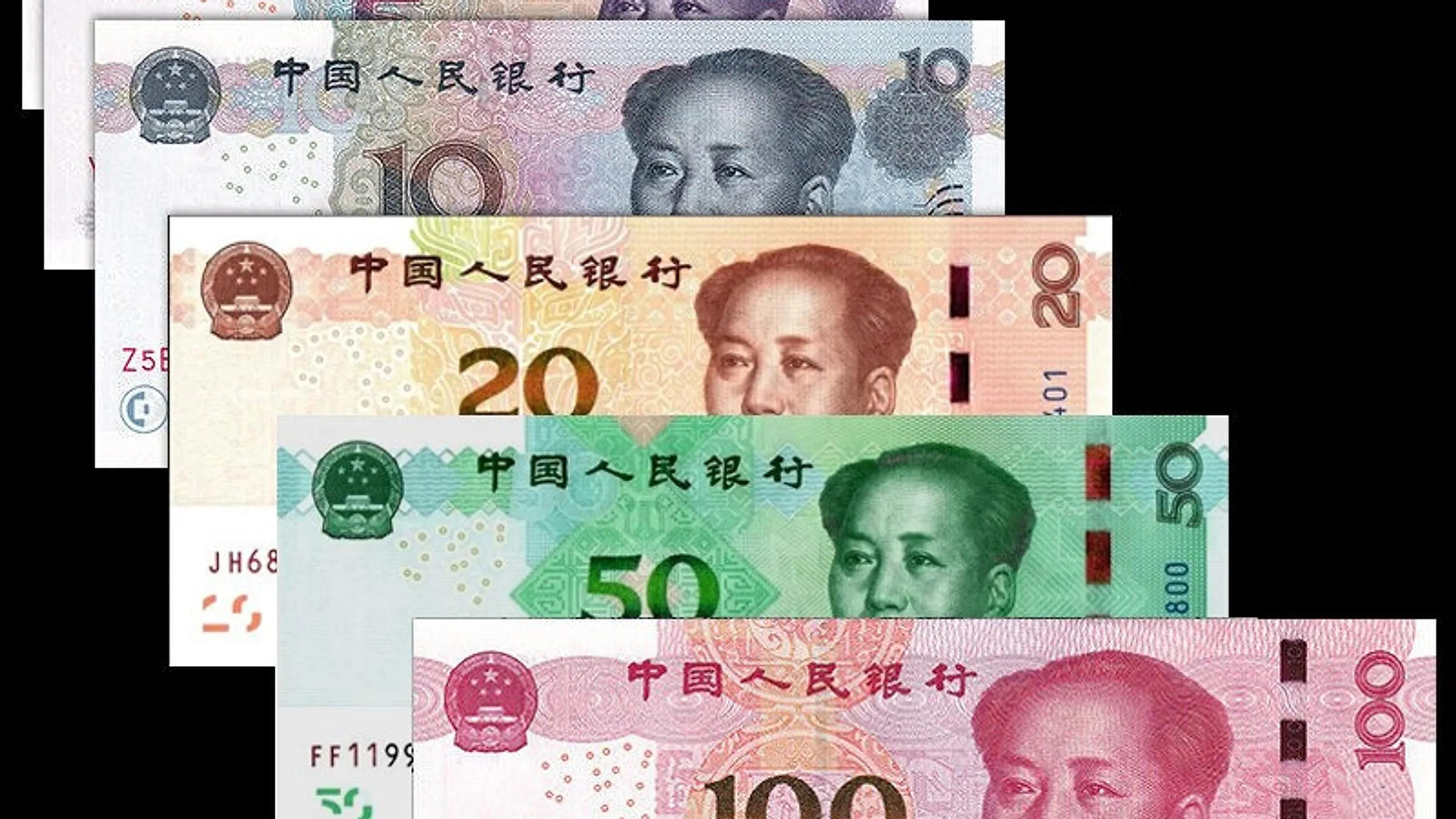
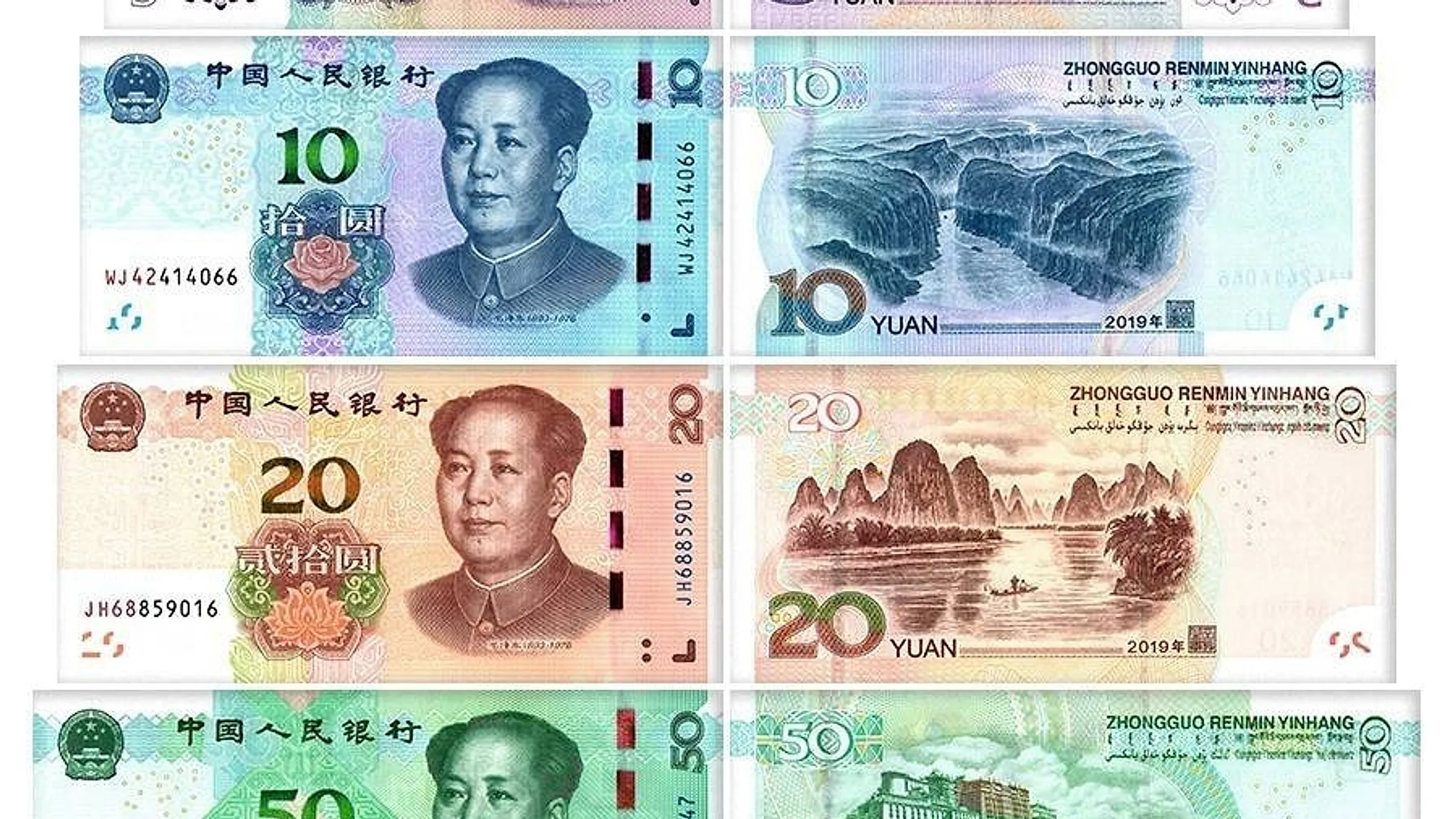
Bring a mix of ¥10, ¥20, ¥50, and ¥100 notes. Most street vendors and taxis can’t break a ¥100 note for a ¥5 purchase. If you withdraw from an ATM, hit the “mix” or “small notes” option if available.
Beware counterfeits
Counterfeit ¥100 notes exist, especially in small-town cash transactions. To spot a fake:
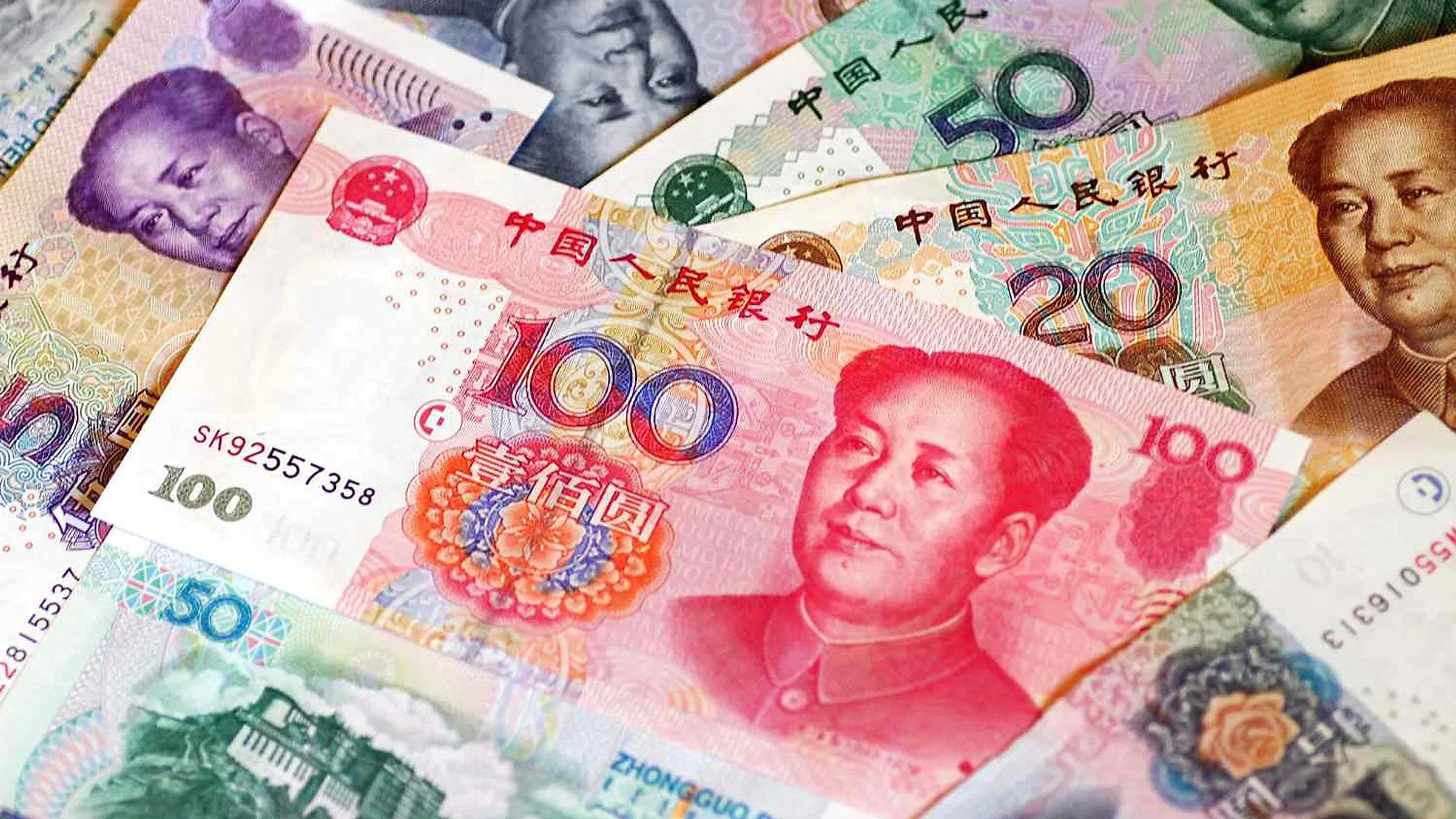
- Feel the raised print on Mao’s collar
- Check the metallic strip (visible when held to light)
- Tilt the bill — the “100” numeral should shift from copper to green
If a vendor gives you a suspicious note and you don’t realize it until later, the bank can sometimes exchange it. Better: get your cash from a bank ATM and you won’t encounter counterfeits.
Tips for using cash in traditional settings
- Temples: Donations are typically ¥5–20. Have small bills ready.
- Markets: Bargain in cash. Vendors prefer cash for bargaining because they avoid mobile payment fees.
- Taxis: Show the driver the destination in Chinese characters on your phone. Hand them the exact fare; drivers rarely have change for ¥100.
- Tippings guides/drivers: Cash in an envelope is the most appreciated method. ¥100–200/day for guides, ¥50–100/day for drivers is standard for a private tour.
What about hotel deposits in cash?
Some hotels (especially budget and mid-range) require a cash deposit of ¥300–1,000 at check-in for incidentals. The hotel refunds this at check-out if no charges are made. This is one of the few situations where you specifically need cash on hand, even if you plan to use mobile payment for everything else.
International chains (Hilton, Marriott, Hyatt) typically accept a credit card imprint instead. Local 3-star and below often insist on cash.
Quick checklist before you fly
- ✅ Withdraw $200 USD worth of RMB at a Chinese bank ATM on arrival, or exchange $100 at the airport to get to the hotel
- ✅ Carry small denominations (¥10, ¥20, ¥50)
- ✅ Set up Alipay before departure (5 minutes, big payoff)
- ✅ Set up WeChat Pay as backup
- ✅ Bring a no-foreign-transaction-fee credit card
- ✅ Notify your bank of travel dates
- ✅ Keep the bulk of your money in your bank account, not in cash
Cash is the safety net, not the strategy. With Alipay, WeChat, and a no-FTF credit card, you’ll use cash maybe 5% of the time — but that 5% can be the difference between a smooth trip and a stranded one. Carry it, but don’t over-rely on it.
For the rest of the payment picture, see Alipay for foreigners, WeChat Pay setup, and Do credit cards work in China?.
Where to book
For the rest, Alipay covers ~98% of what you’ll need. Start your booking here:
- Find Beijing hotels — pay with your foreign card directly
- Browse all China hotels
Affiliate disclosure: Some links above are affiliate links. We may earn a commission at no extra cost to you. See our Affiliate Disclosure for details.
Plan your trip — verified tools
These free tools are built on real, monthly-verified data and help you skip the trial-and-error phase of China trip planning:
- China 6-City 5-Day Budget Calculator — Real 2026 prices for 5 days in Beijing, Shanghai, Guangzhou, Chengdu, Xi’an, or Hangzhou. Budget / mid-range / comfort tiers, broken down line by line.
- China OTA Comparison 2026 — Trip.com vs Booking.com vs Agoda vs Klook across 5 booking types. Inventory, pricing, foreign card support, English service, per-OTA verdict.
Verified August 2026 by TravelHubChina Editorial. We re-check prices and policy details monthly so the data doesn’t drift.
Step by step
-
Decide how much cash to bring by trip type
City break (3 days): ¥300-500 ($42-70). One week in tier-1 cities: ¥500-1,000 ($70-140). Mixed cities + small towns: ¥1,000-2,000 ($140-280). Two-week full tour: ¥2,000-3,000 ($280-420). Rural-focused: ¥3,000+ ($420+). These are backup amounts — Alipay and WeChat Pay cover 95% of daily spending. Anything above ¥3,000 in cash is overkill for most travelers.
-
Exchange before departure or at a mainland bank
Best rates in order: (1) your home bank before departure, (2) mainland Bank of China or ICBC branches (no fee, mid-market rate), (3) Hong Kong banks or licensed money changers. Avoid airport exchange counters (5-8% markup), hotel desks (8-12% markup), and tourist-area converters. Order RMB from your home bank 5-7 business days before flying.
-
Set up ATM withdrawal as backup with a no-fee debit card
Use a Visa/Mastercard-enabled debit card from a bank that refunds foreign ATM fees (Charles Schwab, Wise, Revolut, Capital One 360). Withdraw from Bank of China or ICBC ATMs (¥2,500-3,000 per transaction, daily limit usually ¥10,000). Always decline the ATM's offer to convert to your home currency — choose RMB to get the mid-market rate.
-
Set up Alipay and WeChat Pay with a foreign card before landing
Download both apps before departure. Link a Visa/Mastercard in Alipay → Me → Bank Cards (6-digit SMS verification). Bind a foreign card to WeChat Pay → Me → Services → Wallet. Test with a ¥1 transaction at a convenience store on day 1. If either app rejects your card, you still have a working backup from the other.
-
Keep cash for cash-only situations and as emergency backup
Use cash for: rural taxis, traditional wet markets, some temples, small-town buses, broken-QR-code vendors, tipping guides/porters, and emergencies when both apps fail (rare but possible). Keep ¥1,000-2,000 in your hotel safe and carry ¥200-500 in your wallet daily. Withdraw fresh cash from an ICBC ATM as needed instead of carrying it all from home.
FAQ
-
Do I need cash in China or is mobile payment enough?
Alipay and WeChat Pay cover 95% of daily spending in tier-1 and tier-2 cities, but you'll still need ¥500-1,000 in cash for: rural taxis, traditional wet markets, some temples, small-town buses, broken-QR-code vendors, and tipping guides/porters. Cash is also your emergency backup if both apps fail. Plan to bring cash in addition to setting up mobile payment — do not rely on either alone. -
Where is the best place to exchange money for China?
Best rates in order: (1) your home bank before departure, (2) mainland Bank of China or ICBC branches, (3) Hong Kong banks or licensed money changers. Avoid airport exchange counters (5-8% markup), hotel desks (8-12% markup), and tourist-area converters. The mid-market rate is what your bank's ATM will give you — withdraw from a Visa/Mastercard debit card that refunds foreign ATM fees (Charles Schwab, Wise, Revolut). -
Can I use foreign credit cards in China?
Yes, at international chains, upscale restaurants, hotels (Marriott, Hilton, etc.), and major shopping malls. For street food, local restaurants, taxis, convenience stores, and most small businesses, you need Alipay or WeChat Pay with a foreign Visa/Mastercard linked. Cash is still king in rural areas. Plan to layer: foreign card for big purchases, mobile payment for daily spend, cash for backup.
Related guides
- Money & Payment
Cash or Card in China 2026: The Hybrid Payment Reality Foreigners Miss (Plus the ATM 7% Trap)
China is NOT a fully cashless society for foreign visitors in 2026. 90% of urban merchants take Alipay/WeChat Pay, 60% of small vendors are cash-only, foreign Visa/Mastercard at terminals works at 60% of mid-range+ shops with 2.6-3.2% surcharge. **ATM withdrawals: the 4-layer fee structure is 6.75-12.75% total** (BOC flat + FX + DCC trap + out-of-network). The DCC (Dynamic Currency Conversion) trap is a 3-7% hidden markup the ATM operator pockets if you accept 'withdraw in USD' instead of CNY. Bank-by-bank fee table, the 8-step ATM playbook, and 4 FAQs that cover DCC, Apple Pay, and the cheapest way to get CNY cash in 2026.
6min read
- Money & Payment
TenPayGo Review 2026: WeChat Pay Without a Phone Number
TenPayGo is WeChat Pay's standalone app for foreign visitors — email signup, no Chinese number, no WeChat account. Our hands-on review.
11min read
- Money & Payment
How to Pay in China 2026: Alipay, WeChat Pay, eSIM & DiDi for Foreigners
Complete setup guide for the 4 apps every foreigner needs in China: Alipay (scan-to-pay), WeChat Pay (¥3,000 limit), eSIM (data on landing), and DiDi (ride-hailing). With 240h visa-free transit and 30-day visa-free entry now covering 50+ countries, the 4-app setup is the new arrival checklist.
9min read
- Money & Payment
Alipay Account Locked or Frozen in China 2026: How to Recover in 4 Steps
Your Alipay account is locked or frozen — what now? The 4-step recovery process for 2026: (1) identify the lock reason, (2) submit the right documents, (3) wait 22-56 hours, (4) prevention. Real recovery times from 12 documented cases. The 5 lock reasons ranked by frequency: large first transaction, risk-control flag, suspicious merchant, name mismatch, age verification. Plus the 4 prevention rules that prevent 90% of locks.
4min read
- Money & Payment
Alipay for Foreigners 2026: Setup with Visa/Mastercard
Step-by-step guide to setting up Alipay with a foreign Visa/Mastercard. Covers Tour Pass, $3,000 limit, $100 per transaction cap, and how to pay everywhere in China.
9min read
- Money & Payment
WeChat Pay for Foreigners 2026: Visa Setup, Limits & Fees
Can foreigners use WeChat Pay in China? Yes — bind a Visa/Mastercard in about 10 minutes. Limits: ¥6,000 per transaction, ¥50,000 monthly, 3% fee over ¥200.
8min read