
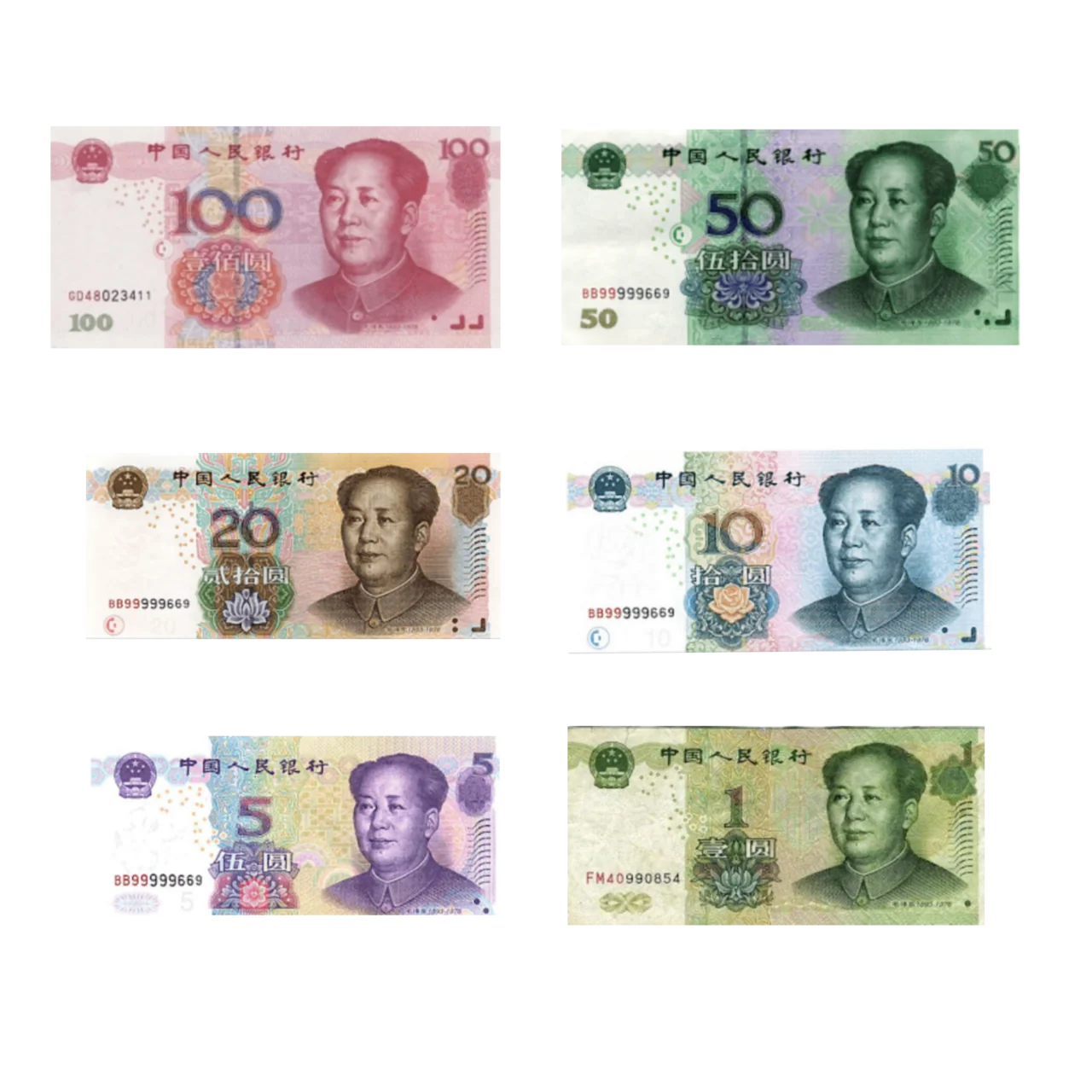
How Much Does a Trip to China Cost in 2026?
A 7-day trip costs $800-1,200 budget, $1,500-2,500 mid-range or $3,500-7,000 comfort per person, excluding international flights.
Quick answer: a 7-day trip to China in 2026 costs $800-1,200 for budget travel, $1,500-2,500 for mid-range, $3,500-7,000 for comfort (excluding international flights). A 14-day Grand Tour costs $3,000-8,000. Add $800-2,000 for round-trip flights from the US. A 30-day slow travel trip costs $2,800-4,000 budget, $5,500-9,000 mid-range.
By category (per person, 2026):
- Accommodation: budget $30-70/night, mid-range $80-200, comfort $300-500+ (5-star chains)
- Food: budget $11-28/day (street food + casual), mid $42-85 (mix), comfort $140+ (fine dining)
- Local transport: subway $0.50-1.50/ride, DiDi $5-30/ride depending on distance, bullet train $77 (Beijing-Shanghai second class)
- Attractions: average $6-20/day, big sites $25-50, multi-day passes save 30%
- eSIM data: $0.20-1.50/day (Trip.com China eSIM cheapest)
- Visa (US): $185 L-visa, or $0 with 240-hour visa-free transit
This guide covers: the 3 budget tiers in detail, line-item breakdown for each category, 5 sample 7-14 day itineraries with total cost, the full payment methods guide (Alipay, WeChat Pay, cash, credit card), 15 money-saving tips, the cheapest time to visit China, and a real-cost calculator for your specific trip.
3 Budget Tiers: What You Get for Your Money
Budget (Backpacker): $80-150/day, $800-1,200 for 7 days
Who it’s for: backpackers, students, first-time China visitors on a tight budget, slow travelers, groups of friends sharing costs.
Accommodation: Hostels ($15-30/night per dorm bed), family-run hotels (民宿, 酒店式公寓, $30-60/night per private room), Airbnb shared rooms ($20-40/night). Breakfast often included.
Food: Street food ($1.50-4/meal), casual local restaurants ($4-8/meal), convenience stores (FamilyMart, 7-Eleven — ¥10-30 for onigiri, sandwich, drink). Daily food budget $11-28.
Transport: Subway ($0.50-1.50/ride), city buses ($0.30-0.50), DiDi shared rides (拼车, $3-15 depending on distance), 2nd class bullet train between cities ($77 Beijing-Shanghai). For 7 days in 1 city, total local transport $30-60.
Attractions: Free temples, parks, museums (most Beijing/Shanghai museums free Tue-Sun mornings), walking tours, public spaces. For paid attractions, buy online in advance for 10-20% off. Budget for attractions: $5-15/day.
Sample day: ¥150 hostel (private room) + ¥50 street food (3 meals) + ¥20 subway + ¥40 attraction = ¥260 ($36/day per person, solo) or $18/day if sharing a room with a friend.
Mid-Range: $200-350/day, $1,500-2,500 for 7 days
Who it’s for: most tourists, couples, families with kids, business travelers extending a trip.
Accommodation: 3-4 star hotels ($80-200/night), boutique hotels ($120-250/night), Airbnb entire apartment ($60-150/night), international chains (Hilton, Marriott, Hyatt, IHG, Accor at mid-tier prices in China). Often includes breakfast, gym, pool.
Food: Casual restaurants ($11-28/meal), nicer restaurants ($20-42/meal), hotel restaurants, some fine dining on special occasions. Daily food budget $42-85.
Transport: Same subway + DiDi as budget. Add bullet train between cities ($77-150 per route for second class, $120-260 first class). For 7 days visiting 2 cities, total transport $200-350.
Attractions: All major attractions (Forbidden City, Great Wall, Terracotta Warriors, etc.), some guided tours ($50-100), evening entertainment (Peking opera, acrobatics show $30-60). Daily attractions: $20-50.
Sample day: ¥800 hotel + ¥300 food + ¥150 transport + ¥200 attractions = ¥1,450 ($200/day per person, solo) or $130/day per person for a couple sharing a room.
Comfort: $500-800/day, $3,500-7,000 for 7 days
Who it’s for: honeymoon, anniversary, business, longer stays, multi-generational travel.
Accommodation: 5-star hotels ($300-500/night for international chains, $500-1000+ for luxury like Aman, Bulgari, Mandarin Oriental). Heritage hotels (Beijing Opposite House, Shanghai Peninsula). Includes all amenities.
Food: Hotel restaurants, fine dining (Michelin-starred Peking duck $200-400 per person, contemporary Chinese tasting menus $100-300), international cuisine ($50-150/meal). Daily food budget $140+.
Transport: Private car (¥600-1500/day for full-day driver), first class bullet train ($150-260/route), domestic flights first class ($250-500). For 7 days visiting 2-3 cities, total transport $1,000-2,500.
Attractions: VIP access (skip lines), private guides ($200-400/day), exclusive experiences (Great Wall sunrise, hot air balloon over Yangshuo). Daily attractions: $100-200.
Sample day: ¥2,500 hotel + ¥1,000 food + ¥1,500 transport + ¥1,000 attractions = ¥6,000 ($830/day per person, solo) or $415/day per person for a couple.
Cost Breakdown by Category (Per Person, 2026)
Accommodation
| Tier | Hotel Type | Price/Night | Sample Hotel | Per 7 nights |
|---|---|---|---|---|
| Budget | Hostel dorm | $15-30 | Beijing Hello Inn, Mingtown Etown | $105-210 |
| Budget | Family-run private | $30-60 | Local 民宿, Airbnb shared | $210-420 |
| Mid | 3-star chain | $80-150 | Holiday Inn Express, Hanting, Jinjiang Inn | $560-1,050 |
| Mid | 4-star chain | $120-200 | Hilton Garden Inn, Courtyard Marriott | $840-1,400 |
| Comfort | 5-star chain | $300-500 | JW Marriott, Conrad, Grand Hyatt | $2,100-3,500 |
| Comfort | Luxury | $500-1500 | Bulgari, Aman, Mandarin Oriental | $3,500-10,500 |
Where to book:
- Trip.com (cheapest, 30-50% off Booking.com for same hotels, 2026 verified)
- Booking.com (broader inventory but more expensive)
- Hotel direct (sometimes has member rates, free breakfast, room upgrade)
- Airbnb (best for apartments, monthly stays, family groups)
Food
| Meal Type | Price Range | Examples |
|---|---|---|
| Breakfast | $1.50-5 | baozi, congee, jianbing, youtiao, soy milk, sandwich |
| Lunch (budget) | $4-8 | noodle shop, rice bowl, casual local |
| Lunch (mid) | $11-20 | regional cuisine restaurant |
| Dinner (budget) | $5-12 | street food, casual, family-run |
| Dinner (mid) | $15-42 | nicer Chinese, international, hotel restaurant |
| Dinner (comfort) | $50-150 | fine dining, Michelin-starred, hotel specialty |
| Street food | $1-3/stick | chuan’r, jianbing, scallion pancake, stinky tofu |
| Snacks | $1-4 | fruit, ice cream, biscuits, milk tea |
| Drinks | $0.50-5 | bottled water, beer, baijiu, coffee, milk tea |
| Daily total (budget) | $11-28 | mostly street food + casual |
| Daily total (mid) | $42-85 | mix of local + nicer |
| Daily total (comfort) | $140+ | fine dining |
Local Transport (per Ride)
| Mode | Cost | Notes |
|---|---|---|
| Subway (1-2 stops) | $0.50-1 | cheapest, cleanest, most reliable |
| Subway (long trip) | $1-2 | across city |
| City bus | $0.30-0.50 | scenic, slower |
| DiDi (basic) | $3-15 | depends on distance |
| DiDi (premium/Lyft) | $5-25 | nicer cars |
| DiDi shared (拼车) | $2-10 | 30% cheaper, may share with strangers |
| Taxi (metered) | $3-15 | rare in 2026, mostly DiDi |
| Bike share (Meituan, Hello) | $0.30-1/hour | scenic, exercise, dockless |
| E-scooter share | $0.50/15min | some cities, age 16+ |
Bullet Train (HSR) by Route (Second Class, 2026)
| Route | Distance | Time | Price | Notes |
|---|---|---|---|---|
| Beijing-Shanghai | 1,318 km | 4.5 h | $77 | flagship line |
| Beijing-Xi’an | 1,219 km | 4.5-5.5 h | $72 | terracotta warriors |
| Shanghai-Hangzhou | 159 km | 1 h | $10-12 | shortest popular route |
| Beijing-Tianjin | 137 km | 30 min | $7.50 | same-day day trip |
| Shanghai-Suzhou | 84 km | 30 min | $5.50 | garden city |
| Guangzhou-Shenzhen | 102 km | 30 min | $10.50 | same-day day trip |
| Shanghai-Nanjing | 301 km | 1.5 h | $19.50 | history city |
| Chengdu-Chongqing | 308 km | 1.5 h | $21.50 | spicy food capitals |
| Beijing-Guangzhou | 2,298 km | 8 h | $130 | world’s longest HSR |
| Shanghai-Kunming | 2,252 km | 11 h | $170 | east-to-west |
| Lanzhou-Urumqi | 1,776 km | 11 h | $135 | central Asia |
First class is 1.6x, business class is 3.2x, standing (rare) is second-class price. Children under 1.2m free, 1.2-1.5m half-price. Same prices for foreigners as Chinese citizens.
Attractions (Top Sites)
| Attraction | City | Entry | Notes |
|---|---|---|---|
| Forbidden City | Beijing | $8.30 | book online, free Tue PM in winter |
| Great Wall Mutianyu | Beijing | $6.20 + $20 transport | cable car option |
| Terracotta Warriors | Xi’an | $17 | + $20 museum bus |
| Summer Palace | Beijing | $4.20 + $1.40 boat | half-day |
| Bund | Shanghai | free | waterfront |
| Yu Garden | Shanghai | $5 | + $1 teahouse |
| West Lake | Hangzhou | free | all-day |
| Terracotta Warriors | Xi’an | $17 | guided tour $30 extra |
| Yellow Mountain | Anhui | $26 + $12 cable car | sunrise worth it |
| Zhangjiajie | Hunan | $30 + $20 transport | 2-3 days |
| Victoria Peak | Hong Kong | $10 tram | skyline |
| Macau Ruins | Macau | $2 | + $20 heritage tour |
| Li River cruise | Guilin | $50-100 | 4-5 hours |
Free or cheap: most parks, public squares, walking streets, hutongs, university campuses, museum free days (most Beijing/Shanghai museums free Tue-Sun mornings for ID card holders; some extend to all visitors).
5 Sample 7-14 Day Itineraries with Total Cost
Itinerary 1: 7 Days Beijing + Xi’an (Mid-Range)
- Day 1: Arrive Beijing, DiDi to hotel ($20), explore Wangfujing
- Day 2: Forbidden City ($8), Tiananmen, Jingshan Park ($2), dinner Peking duck ($30)
- Day 3: Great Wall Mutianyu day tour ($80 incl. transport, ticket, lunch)
- Day 4: Summer Palace ($5), Olympic Park, Beijing CBD evening
- Day 5: Bullet train to Xi’an ($72), Muslim Quarter, Bell Tower
- Day 6: Terracotta Warriors day tour ($80), Tang Dynasty show ($40)
- Day 7: Xi’an City Wall bike ride ($5), Big Wild Goose Pagoda, return to Beijing
Total cost per person (mid-range, double occupancy):
- Hotel (6 nights, 3 nights each city, mid-range): $540
- Food (7 days): $350
- Local transport (incl. 2 day tours + 1 bullet train): $350
- Attractions: $120
- eSIM: $14
- Visa: $185
- Total: $1,559 per person
Itinerary 2: 10 Days Shanghai + Hangzhou + Suzhou (Mid-Range)
- Day 1-3: Shanghai (Bund, Yu Garden, Shanghai Tower, French Concession)
- Day 4: Day trip to Suzhou (gardens, canals, ¥40 round trip)
- Day 5-6: Shanghai (Disneyland day, or Zhujiajiao water town)
- Day 7-8: Bullet train to Hangzhou, West Lake, Lingyin Temple, tea plantation
- Day 9: Hangzhou (Wuzhen water town day trip)
- Day 10: Return to Shanghai, departure
Total cost per person (mid-range, double occupancy): $2,100-2,400
Itinerary 3: 14 Days Grand Tour (Beijing + Xi’an + Shanghai + Chengdu) (Mid-Range)
- Day 1-3: Beijing
- Day 4: Bullet train to Xi’an
- Day 5-7: Xi’an
- Day 8: Bullet train to Shanghai
- Day 9-11: Shanghai + Suzhou day trip
- Day 12: Bullet train to Chengdu
- Day 13-14: Chengdu (pandas, Sichuan food, hot pot, Leshan Buddha day trip)
Total cost per person (mid-range, double occupancy): $3,500-4,500
Itinerary 4: 1 Month Slow Travel (Mid-Range)
- 1 week Beijing + day trips
- 1 week Xi’an + day trips
- 1 week Shanghai + Suzhou + Hangzhou
- 1 week Chengdu + Chongqing
Total cost per person (mid-range, double occupancy, 30 days): $5,500-7,000
Itinerary 5: 12-Day Honeymoon (Comfort)
- 4 nights Beijing (4-star boutique, Forbidden City, Great Wall private tour)
- 3 nights Xi’an (5-star, Terracotta Warriors private guide, Tang show)
- 5 nights Shanghai (5-star, Bund-view room, Disneyland private guide, fine dining)
Total cost per couple (comfort, 12 days): $14,000-18,000
The Bottom Line
China is more affordable than most travelers expect, especially for mid-range and budget travel. The biggest cost variables are: (1) international flights ($800-2,000 round trip from US), (2) hotel star rating (4x difference between budget and comfort), (3) inter-city transport (bullet train $77-150 per route, vs flights $110-300).
For most travelers, the 240-hour visa-free transit + 7-10 days in Beijing/Shanghai/Xi’an is the best value: total cost $2,000-3,500 per person including flights.
The biggest savings come from:
- Alipay/WeChat Pay (no foreign card fees at small vendors)
- Trip.com hotels (30-50% off Booking.com)
- 240-hour visa-free transit (saves $185 visa fee)
- Eating at local restaurants (1/3 the price of tourist restaurants)
- Bullet train for short routes (faster + cheaper than flights)
The biggest cost surprises to avoid:
- Foreign credit card declined at small vendors (use Alipay)
- Unmetered taxi (use DiDi)
- “Tourist” restaurants near major sights (find local alternatives)
- Spring Festival or National Week prices (2-3x normal)
Step by step
-
Set your budget tier and travel style
Choose your tier based on your style: Budget ($80-150/day, $800-1,200 for 7 days): hostels, street food, subway, free attractions, eSIM. Suitable for: backpackers, students, first-time China visitors on a tight budget, slow travelers, group of friends sharing costs. Mid-range ($200-350/day, $1,500-2,500 for 7 days): 3-4 star hotels, mix of local and tourist restaurants, bullet train between cities, all major attractions. Suitable for: most tourists, couples, families with kids, business travelers extending a trip. Comfort ($500-800/day, $3,500-7,000 for 7 days): 5-star hotels, fine dining, private car + first class train, all attractions + private guides. Suitable for: honeymoon, anniversary, business, longer stays, multi-generational travel. Be honest about your style: don't pretend you'll be budget if you'll want AC hotels and nice dinners. Budget an extra 20% buffer for unexpected costs.
-
Book international flights in advance (8-12 weeks out)
Best prices: book 8-12 weeks before travel. Tuesdays-Wednesdays cheapest. From US hubs to China: LAX/SFO/JFK/ORD/SEA to PEK/PVG/CAN. Sample round-trip prices (2026, economy): LA-Beijing $700-1,000, NY-Shanghai $900-1,300, SF-Beijing $750-1,100, Chicago-Beijing $850-1,200, Seattle-Shanghai $600-900. For cheapest fares: (1) fly Tuesday/Wednesday, (2) use Google Flights + Skyscanner, (3) check Chinese airlines (Air China, China Eastern, China Southern) — often 20-30% cheaper than US carriers, (4) consider one-stop via Tokyo, Seoul, Taipei (sometimes $200-400 cheaper), (5) avoid Chinese New Year, National Day, summer. Sample budget for round trip: 7-day China trip + flight from US = $1,500-3,000 total budget, $2,000-4,000 mid-range, $4,000-9,000 comfort.
-
Apply for visa OR plan 240-hour visa-free transit
240-hour visa-free transit (US, UK, Canada, EU, Australia, NZ, Japan, Korea, 57+ countries): 10 days, no application, no fee, requires onward flight to a third country. Best for trips under 10 days. Example routes: NY-Beijing-Tokyo, LAX-Shanghai-HK, SFO-Guangzhou-Singapore. L-visa (tourist): $185 (US citizens), 4-7 business days processing, 10-year multiple entry, 30-90 days per stay. Best for trips over 10 days or direct US-China-US round trips. Apply 1-2 months before travel at your nearest Chinese consulate. Documents: passport (6+ months validity, 2+ blank pages), application form, one 49×35mm photo, bank statement ($100/day × trip length), employer letter. L-visa also required for: multi-city itineraries, stays >10 days, trips where you want to enter and exit China multiple times.
-
Book hotels on Trip.com (cheaper than Booking.com)
Trip.com is 30-50% cheaper than Booking.com for the same hotels in China — verified 2026-08-26. Why: Trip.com is the local OTA (Ctrip's international brand), lower overhead, more inventory, and hotels pay lower commissions to Trip.com than to Booking.com. How to book: (1) install Trip.com app or visit trip.com, (2) set your country to your home country for full English UI, (3) search by city + dates, (4) filter by star rating, review score (8.0+ recommended), location (subway 2-3 stops from city center = 30-40% cheaper), (5) check cancellation policy (free cancellation is best for flexibility), (6) pay with Visa/Mastercard. Sample prices (2026, mid-range, 3-4 star): Beijing Wangfujing $80-150/night, Shanghai Bund $100-180/night, Xi'an Bell Tower $60-100/night, Chengdu Chunxi Road $70-120/night. Save more: book refundable 30+ days out, use Trip.com promo codes (check app on first booking).
-
Buy a China eSIM for data (or local SIM as backup)
eSIMs (recommended for tourists): (1) Trip.com eSIMs: cheapest, China-only from $0.20/day, mainland+HK+Macau from $0.24/day. (2) Airalo China: $0.50-1.50/day, most popular with Western tourists. (3) Holafly China: $3-5/day, unlimited data, expensive. eSIM vs SIM: eSIMs can be bought online, scan QR code to activate, work instantly. Local SIMs require passport in store, Chinese customer service. For a 7-day trip: 5-10 GB of data is enough (maps, messaging, browsing). For 14+ days: 15-30 GB. Cost: 7 days $4-30, 14 days $8-50, 30 days $15-100. eSIM only gives data — doesn't bypass Great Firewall. Combine with VPN (Astrill, check official pricing) for Google, Gmail, WhatsApp, Instagram, YouTube. Buy eSIM and subscribe to VPN BEFORE flying — both providers' websites are blocked in China.
-
Set up Alipay and WeChat Pay before flying
Both are essential — 90% of transactions in China are mobile payment. Alipay setup: (1) install app, (2) sign up with email or phone (no Chinese number needed), (3) tap Tour Pass, (4) bind 2-3 foreign Visa/Mastercard cards (use the same card on both Alipay and WeChat as backup), (5) verify with passport, (6) set payment password. WeChat Pay setup: (1) install WeChat, (2) sign up, (3) tap Me → Services → Wallet, (4) bind card, (5) verify with passport. Do this BEFORE flying — Alipay verification can be tricky from outside China. Test before flying: try a small transaction ($0.50 on a coffee purchase simulation). Backup: carry ¥1,000-3,000 cash for emergencies. Don't rely on: foreign credit card at small vendors (most don't take it), Apple Pay/Google Pay (limited acceptance).
FAQ
-
How much does a 7-day trip to China cost?
For one person, 7 days in China (excluding international flights), 2026: Budget (backpacker): $800-1,200 total. Breakdown: accommodation $30-50/night ($210-350 for 7 nights), food $15-25/day ($105-175), local transport $20/week, attractions $50-100 for 7 days, eSIM $14, visa (if needed) $185. Mid-range: $1,500-2,500 total. Breakdown: 3-4 star hotel $80-150/night ($560-1,050), food $30-60/day ($210-420), bullet train between cities $150-300, attractions $150-300, eSIM $20, visa $185, miscellaneous $200. Comfort: $3,500-7,000 total. Breakdown: 5-star hotel $300-500/night ($2,100-3,500), food $80-150/day ($560-1,050), private car + bullet train first class $500-1,000, attractions $300-500, eSIM $30, visa $185, miscellaneous $500. Add flights: $800-2,000 round trip from US (LAX-PEK, JFK-PVG, SFO-PEK). Add 240-hour visa-free transit: saves $185 visa fee and is the cheapest option for short trips. -
How much does a 2-week trip to China cost?
For one person, 14 days in China (excluding international flights), 2026: Budget: $1,400-2,200. Mid-range: $3,000-5,000. Comfort: $7,000-15,000. By itinerary type: (1) 14-day Grand Tour (Beijing + Xi'an + Shanghai + Chengdu) mid-range: $3,800-4,500. (2) 14-day Southern Circuit (Shanghai + Hangzhou + Guilin + Yangshuo + Guangzhou + Hong Kong) mid-range: $3,500-4,200. (3) 14-day Slow Travel (1 city deeply, e.g., Beijing 14 days) mid-range: $2,800-3,500. (4) 14-day Adventure (hiking Zhangjiajie + Yangshuo biking + Huangshan trek) mid-range: $3,500-4,500. Money-saving tips for 14 days: (1) travel shoulder season (Apr-May, Sep-Oct) saves 20-30%, (2) use 240-hour visa-free transit (10 days) + 1 day L-visa = $185 saved, (3) stay in family-run hotels $30-50 vs chains $80-150 saves $300+, (4) eat at local restaurants $5-8/meal vs tourist $15-30 saves $200+, (5) bullet train vs flights for short routes saves $100-200. -
How much does a 1-month trip to China cost?
For one person, 30 days in China (excluding international flights), 2026: Budget: $2,800-4,000. Mid-range: $5,500-9,000. Comfort: $15,000-25,000+. Daily rate for 1 month (longer stays get discounts): budget $80-130/day, mid-range $180-300/day, comfort $500-800/day. Where 1-month stays save money: (1) monthly Airbnb in Tier 2 cities ($400-700/month vs $30-100/night), (2) monthly co-living spaces (Youli, Vanke) $500-900/month, (3) slower pace reduces transport costs (1 train ticket vs 4), (4) cooking some meals ($50-100/month groceries vs $900-1,800 restaurant), (5) tourist pass discounts (Beijing Municipal Tourism Card $40 = 30 attractions). Sample 30-day mid-range itinerary: 1 week Beijing ($1,800), 1 week Xi'an (incl. day trips) ($1,200), 1 week Shanghai + Suzhou + Hangzhou ($1,800), 1 week Chengdu + Chongqing ($1,400). Total $6,200. Digital nomad note: the 6-month China digital nomad visa (released 2025) allows $1,500-2,500/month all-in for an extended stay in Shanghai or Hainan. -
What are the cheapest ways to travel China on a budget?
15 money-saving tips for budget China travel in 2026: (1) Travel shoulder season: April-May, September-October, early December. Avoid Spring Festival (Jan-Feb), National Day (Oct 1-7), summer (Jul-Aug). 20-30% cheaper. (2) Use 240-hour visa-free transit for trips under 10 days: saves $185 visa fee. (3) Stay in family-run hotels (酒店式公寓, 民宿) vs chains: $30-50 vs $80-150, often includes breakfast and kitchen. (4) Eat at local restaurants with Chinese menu: $5-8/meal vs tourist restaurants $15-30. Look for 苍蝇馆子 (fly restaurants — small, busy, cheap). (5) Bullet train vs flights for short routes: Beijing-Shanghai 4.5h train $77 vs 2h flight $110-210. (6) Book on Trip.com vs Booking.com: 30-50% cheaper for same hotels (Trip.com is the local OTA, lower overhead). (7) Use 12306 app for trains with passport (English available, no service fee). (8) Eat street food: ¥5-15/meal. (9) Stay near subway stations (subway 2-3 stops from city center): 30-40% cheaper than downtown. (10) Use DiDi shared rides (拼车): 30% cheaper than solo. (11) Buy attraction tickets online in advance: 10-20% off walk-up. (12) Use museums free days: most Beijing/Shanghai museums free Tue-Sun mornings. (13) Travel on Tuesdays-Wednesdays: cheapest flights and hotels. (14) Avoid package tours: 30-50% markup. (15) Use 7-day unlimited subway passes in Beijing ($25) or Shanghai ($20) if you do many short trips. -
How much does the Great Wall of China cost to visit?
Great Wall visit cost in 2026: Entrance fee: ¥40-65 ($5.50-9) depending on section. By section (cheapest to most expensive, all foreigner-priced): (1) Mutianyu (most popular, restored, easy): ¥45 ($6.20) entrance + ¥120 ($17) round-trip shuttle bus from Huairou or ¥200 ($28) cable car up + ¥120 ($17) toboggan down = total $30-50 per person. (2) Jinshanling (less restored, more authentic): ¥65 ($9) entrance, accessible by public bus $5, optional cable car ¥60 ($8.30) = total $15-25 per person. (3) Badaling (most crowded, easiest from Beijing): ¥40 ($5.50) entrance, ¥80 ($11) round-trip shuttle, ¥100 ($14) cable car up + ¥100 ($14) toboggan = total $25-40. (4) Jiankou (wild wall, no facilities, dangerous): free, but requires 4WD driver, guide, and is not for beginners. Compare to other China attractions: Forbidden City ¥60 ($8.30), Summer Palace ¥30 ($4.20) + ¥10 boat, Terracotta Warriors ¥120 ($17), Yellow Mountain ¥190 ($26) + ¥90 cable car. For the cheapest Great Wall experience: hike Jinshanling ($15-25) or take public bus to Mutianyu ($20-30). Add a guided tour ($50-80) for context. -
How much does food cost in China for tourists?
Daily food budget for tourists in China 2026: Budget: ¥80-200 ($11-28)/day, or ¥10-30 ($1.50-4)/meal at street food stalls, ¥30-60 ($4-8)/meal at casual local restaurants. Mid-range: ¥300-600 ($42-85)/day, or ¥80-200 ($11-28)/meal at nicer restaurants. Comfort: ¥1,000+ ($140+)/day, ¥300-1,000 ($42-140)/meal at fine dining. By meal type: (1) Breakfast: ¥10-30 ($1.50-4) for baozi (steamed buns), congee, jianbing (savory crepe), youtiao, soy milk, tea egg. (2) Lunch: ¥30-100 ($4-14) for noodles (¥35), rice bowl (¥40-60), regional cuisine (¥80-150). (3) Dinner: ¥80-300 ($11-42) for hot pot (¥100-200 per person), Peking duck (¥200-400 per duck for 2-3 people), dim sum (¥100-200 per person), Sichuan feast (¥150-300). (4) Snacks: ¥10-30 ($1.50-4) for street snacks (jianbing ¥10, chuan'r ¥5-20/stick, mala tang ¥15-30). (5) Drinks: bottled water ¥3, beer ¥8-30 ($1-4), baijiu ¥30-200 ($4-28), coffee ¥20-40 ($3-5.50), bubble tea ¥15-25 ($2-3.50). Western food is more expensive: pasta ¥80-150, burger ¥60-100, pizza ¥100-200. Best value: local cuisine at lunch, with Chinese menu (you can use Google Translate camera). Avoid: tourist-trap restaurants near major sights (Wangfujing, Nanjing Road, West Lake) which are 2-3x the price for similar food. -
What is the cheapest time to visit China?
Cheapest time to visit China 2026: (1) Shoulder season 1: April 15 - May 15 (after Qingming, before Labor Day). (2) Shoulder season 2: September 15 - October 31 (after summer, before National Day). Avoid October 1-7 (National Day Golden Week — most expensive week, all of China on holiday). (3) Off-peak: November 1 - December 14 (after National Day, before Chinese New Year). Cold in northern cities, mild in south. (4) Worst times: (a) Spring Festival (Jan-Feb, exact dates vary by lunar calendar, 7-day national holiday + week of pre-holiday travel): all of China on the move, prices 2-3x, attractions crowded, many restaurants closed. (b) National Day (Oct 1-7): 1.4 billion Chinese on holiday, prices 1.5-2x, attractions extremely crowded. (c) Labor Day (May 1-3): 3-day weekend, prices 1.3x, attractions crowded. (d) Summer school holidays (mid-July to end-August): family travel season, prices 1.2-1.5x, attractions crowded. (e) Chinese university holidays (early July, late January): 2-week breaks, prices 1.1-1.2x. Best prices are in mid-November (after Singles' Day 11.11 sale, before Chinese New Year) and early March (after Chinese New Year, before Qingming) — both offer 30-50% hotel and tour discounts, fewer crowds, comfortable temperatures in southern China (cool in Beijing/Xi'an). -
How much does the bullet train cost in China?
Bullet train (high-speed rail) ticket prices 2026, second class: (1) Beijing-Shanghai (1,318 km, 4.5 hours): ¥553 ($77). (2) Beijing-Xi'an (1,219 km, 4.5-5.5 hours): ¥515 ($72). (3) Shanghai-Hangzhou (159 km, 1 hour): ¥73-87 ($10-12). (4) Beijing-Tianjin (137 km, 30 min): ¥54-55 ($7.50). (5) Shanghai-Suzhou (84 km, 30 min): ¥39-40 ($5.50). (6) Guangzhou-Shenzhen (102 km, 30 min): ¥75 ($10.50). (7) Shanghai-Nanjing (301 km, 1.5 hours): ¥140 ($19.50). (8) Chengdu-Chongqing (308 km, 1.5 hours): ¥154 ($21.50). By class: second class is base, first class is typically 1.6x, business class is 3.2x, standing (rare) is at second-class price. Children under 1.2m: free. Children 1.2-1.5m: half-price. Children above 1.5m: full price. For foreign tourists: same prices as Chinese citizens, no surcharge. Booking: 15 days in advance on 12306.cn (official, free, English) or Trip.com (Visa/Mastercard accepted, $0 booking fee, English interface, recommended for foreigners). Total budget for a 14-day trip using bullet train between 4 cities: $300-450 second class, $500-700 first class. -
How do I pay in China as a foreigner in 2026?
Payment methods for foreigners in China 2026: (1) Alipay (most important): install app → Tour Pass feature → bind 2-3 foreign Visa/Mastercard cards. Works at 90% of restaurants, shops, hotels, taxis (DiDi), attractions. No Chinese phone number needed. Set up BEFORE flying. (2) WeChat Pay: similar to Alipay, install → bind card. Used at 60% of merchants. (3) Credit card (Visa/Mastercard): accepted at international hotels (Marriott, Hilton, Hyatt, Shangri-La, all 5-star chains), big restaurants, airports, big shopping malls, official sites (Trip.com, 12306). NOT widely accepted at small restaurants, street food, taxi, small shops. (4) Cash (RMB): backup. Withdraw from ATM (Bank of China, ICBC accept Visa/Mastercard/UnionPay) or exchange at bank. Carry ¥1,000-3,000 for emergencies. (5) Apple Pay / Google Pay: limited acceptance in China. Some international hotels, but not common. (6) UnionPay: Chinese card network. Foreign cards are usually Visa/Mastercard; not UnionPay. (7) Currency: 1 USD ≈ 7.2 RMB. 1 EUR ≈ 7.8 RMB. Common mistakes: (1) not setting up Alipay before flying, (2) not bringing any cash, (3) trying to use foreign credit card at small vendors. Tip: Alipay is your primary, cash is backup, credit card is for international hotels only. -
How much is the China visa fee in 2026?
China visa fees in 2026 by nationality: (1) US citizens: $185 (L-visa, 10-year multiple entry). (2) UK citizens: £130. (3) Canadian citizens: CAD 184.25. (4) EU citizens: €90. (5) Australian citizens: AUD 150. (6) Indian citizens: ₹4,000-5,000. (7) Japanese citizens: ¥4,500. Free or cheaper alternatives: (1) 240-hour visa-free transit (US, UK, Canada, EU, Australia, Japan, Korea, 57+ countries): 10 days, no fee, no application. (2) 30-day unilateral visa-free (50 countries: most EU, UK, Australia, NZ, Korea, Japan, Brazil, Argentina, Chile, Uruguay, etc.): no fee, no application. (3) Hainan visa-free (61 countries): 30 days, no fee, but only for Hainan province. (4) Digital nomad visa (38 countries, since 2025): $200-300 depending on country, valid 6 months. (5) Family tourist visa (most countries): same as L-visa, valid 6 months. Total cost for visa (excluding flights): 240-hour transit: $0. L-visa (US): $185. Other visa costs to budget for: passport photos ($10-15), visa service center fees ($20-30 for some countries, not US), travel insurance ($30-100 recommended, not required). Validity for US citizens: 10-year multiple entry, 30-90 days per visit. Apply 4-7 business days before travel.
Related guides
- Tools & Resources
China Daily Budget 2026: Beijing, Shanghai + 5 More
Verified 2026 per-person daily budget for 7 China cities in 4 travel styles. Line-item breakdown and 4 city-specific cost traps to avoid.
10min read
- Tools & Resources
China Travel Insurance 2026: What You Actually Need
Insurance is not required to enter China but strongly recommended: $30-60 for 7 days, $50-100 for 14, $80-180 for 30. Compare the top 5 plans.
9min read
- Tools & Resources
Cheapest Flights on Trip.com (2026): Timing + Hacks
2026 playbook for the cheapest flights on Trip.com — booking windows, cheapest days to book and fly, Air Flexibility and price alerts.
8min read
- Tools & Resources
Trip.com for Foreigners: The Complete 2026 Guide
Trip.com guide for foreign travellers in 2026: registration, payment methods, coupons, the 6-tier loyalty program, refunds and price match.
9min read
- Food & Dietary
How to Eat Well in China for Under ¥50 a Day (2026)
Verified 2026 budget food playbook: 苍蝇馆子, 沙县小吃, university canteens, and the ¥30-50/day 3-meal plan across 7 cities.
9min read
- Tools & Resources
Bringing Prescription Medication to China: 2026 Guide
China's controlled-substance list is stricter than the US or EU, and a foreign prescription is no defence. Learn the 5-category risk system before flying.
12min read