
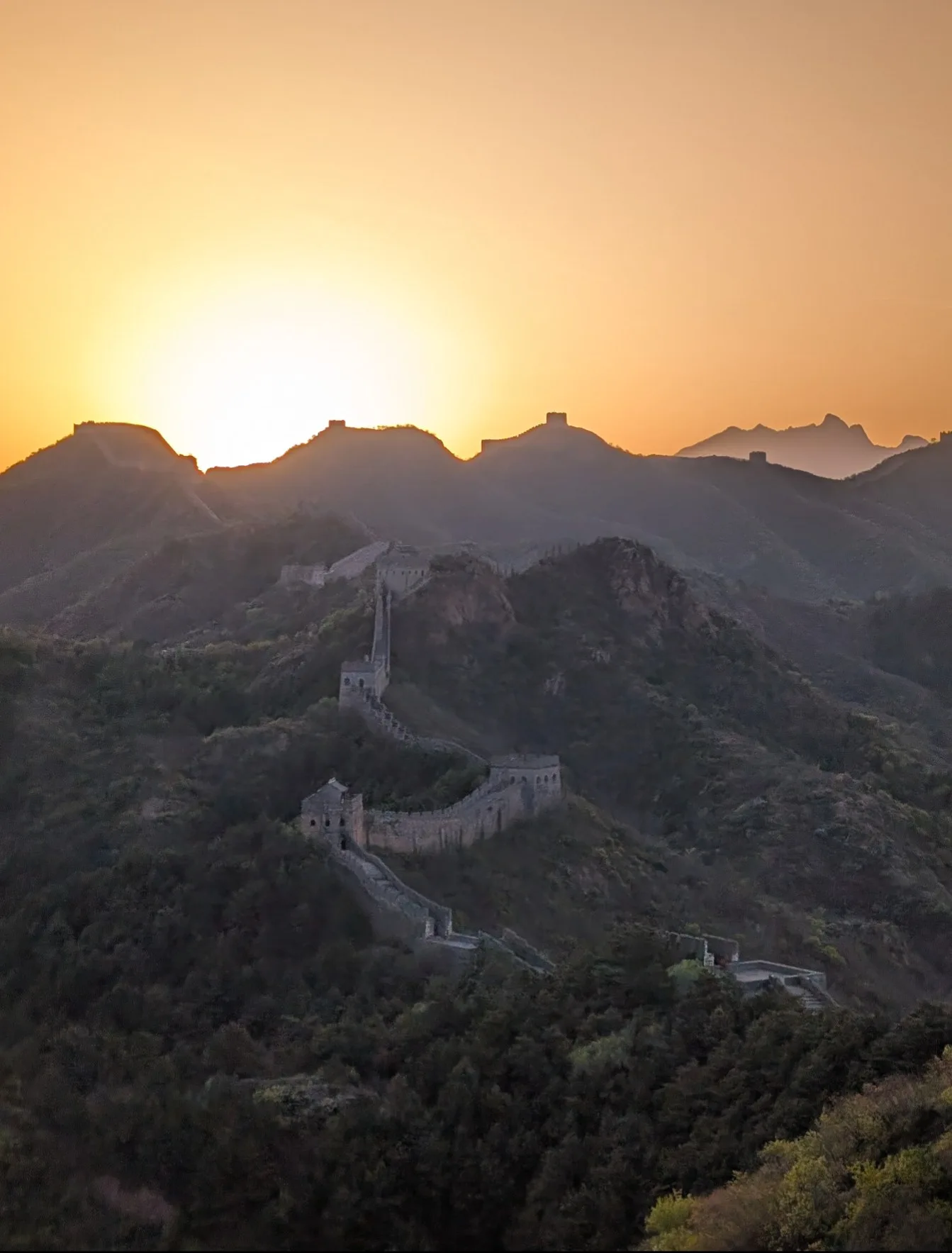
China Solo Travel Guide 2026: 2-Week Backpacker Route for First-Time Visitors
A practical 2-week China solo travel guide for first-time backpackers and independent travelers. Covers a five-city route (Beijing, Pingyao, Xi'an, Chengdu, Shanghai), hostel and boutique-hotel picks, the China 240-hour visa-free transit, DiDi, HSR, sleeper trains, group tour options for harder-to-reach places, daily budgets, and a no-safety-theatre safety section.
Why China is a great first solo trip
If you have solo-traveled in Southeast Asia, India, or South America, China will feel like an easier upgrade than you expect. The country is one of the safest in Asia for independent travelers, the public infrastructure (subways, HSR, sleeper trains) is the best in the world, and the food is structured enough that you can eat well without speaking Mandarin. The 2-week route below is the one we recommend for a first-time solo backpacker who wants culture, scenery, and one or two “wow” moments without burning out.
This guide assumes you are a first-time visitor aged 25-50, traveling light (one backpack, one carry-on), with a USD 70-100/day mid-range budget (private hostel room or basic Chinese-brand hotel, street food plus one sit-down meal, one paid attraction per day, subway + occasional DiDi). It will not work as written if you want five-star hotels every night — in that case, multiply the budget by 2.5x and skip the hostels.
If you are a solo female traveler specifically, the safety and route guidance is the same; see the separate China solo female guide for added context on evening hours, dress, and what to do if a stranger offers you a free tour.
Two-week first-timer route (Beijing → Pingyao → Xi’an → Chengdu → Shanghai)
This is the route. Each leg is below with the practical information you need — how to get there, where to stay, what to do, and one or two “if you only do one thing today” picks. Total: 13 nights, 14 days. (Add one night in any city you love.)
Days 1-3: Beijing (3 nights)
Beijing is the right place to start because it has the densest English-speaking infrastructure and the highest number of one-day wonders. Three nights lets you see the headline sites without rushing.
Stay: Peking Yard Hostel (Qianmen) or Peking International Youth Hostel (near Tiantan). USD 18-25/night for a dorm, USD 45 for a private room. Both have English-speaking front desk and run daily walking tours.
Days:
- Day 1 (Tiananmen + Forbidden City). Subway to Tiananmen East. Enter the Forbidden City from the south (1-2 hours), exit to Jingshan Park on the north and climb the hill for the classic rooftop view. Sunset on the hill.
- Day 2 (Mutianyu Great Wall). Take the 867 bus from Dongzhimen (07:00) or join a hostel-organized day trip (USD 35-50, includes transport, cable car, toboggan). Mutianyu is the right wall for first-timers: less crowded than Badaling, has a cable car up, a toboggan down, and 2 km of well-restored wall to walk.
- Day 3 (Hutong + Temple of Heaven). Rent a bike and ride the hutongs (USD 3/hour), stop for jianbing (the Chinese crepe) and Peking duck, end at Temple of Heaven in the afternoon to watch locals do tai chi and play hacky sack. Evening: Peking Opera or Kung Fu Show at Liyuan Theatre or the Red Theatre (USD 25-40, book at the hostel).
Transport tip: Download a Beijing subway map into Maps.me or Google Maps cache before you fly. Beijing’s subway signs are bilingual. DiDi works without a Chinese SIM.
Days 4-5: Pingyao (2 nights, day train from Beijing)
Pingyao is the overnight sleeper from Beijing to Xi’an stops at Pingyao Ancient City, a UNESCO walled town that 99% of foreign tourists skip. Worth 2 nights.
How to get there: Book a high-speed train from Beijing to Pingyao Ancient City Station (4-4.5 hours, USD 35-45). Two daily direct services. Trains from Beijing leave around 08:00 and 14:00.
Stay: A courtyard inn inside the old city walls — try the Pingyao Yiguan or Yutingxuan (USD 25-40/night, includes breakfast, courtyard view, the kind of place where you drink jasmine tea on a wooden platform under a 300-year-old roof). Book through the hostel’s WeChat or via Trip.com.
Days:
- Day 4 (arrive, walk the walls, eat). Check in, walk the 6 km of Ming-dynasty city walls (USD 12, takes 2-3 hours at slow pace), dinner in a noodle shop inside the walled city. Pingyao’s Ming-era street layout is intact — the buildings are not reconstructions.
- Day 5 (Shuanglin Temple + Wang Family Compound). Both are 30-40 min by DiDi outside the walls. Shuanglin Temple is the better pick — it has 2,000 painted Buddhist statues from the Song and Ming dynasties, the only UNESCO-recognized painted sculpture collection in China. Back to Beijing by evening train, or continue to Xi’an (1.5 hours on HSR, USD 20).
Why include Pingyao: Two nights in a Ming-dynasty walled city, almost no foreign tourists, USD 35-40/day including the inn and food. The contrast with Beijing and Shanghai is the point of the trip.
Days 6-7: Xi’an (2 nights)
Xi’an was the eastern terminus of the Silk Road. The Terracotta Warriors are the reason to come; the old city walls, Muslim Quarter, and street food are the reason to stay an extra night.
How to get there: High-speed train from Pingyao to Xi’an North (1.5 hours, USD 20). Or from Beijing direct (5 hours, USD 65-85).
Stay: 7S Hotel (Bell Tower) or Han Tang Inn (USD 25-40/night dorm/private). Both within walking distance of the Drum Tower and Muslim Quarter.
Days:
- Day 6 (Terracotta Warriors). Take the tourist bus (Tourist Line 5, USD 7) from the Tang Dynasty Hotel square outside the South Gate. The warriors are 1.5 hours east. Buy the 120 RMB ticket that includes Pit 1, Pit 2, Pit 3, and the Bronze Chariots museum — do not buy the cheap ticket that only includes Pit 1. Allow 3-4 hours. Back in town by late afternoon, climb the City Wall by bike (USD 6, 1.5 hours).
- Day 7 (Muslim Quarter + Great Mosque). Walk the Muslim Quarter alleys for breakfast (yangrou paomo — bread soaked in lamb broth, rou jia mo — Chinese hamburger, persimmon cakes). The Great Mosque is a 1,400-year-old Chinese-Islamic hybrid building hidden behind the bazaar. Afternoon train to Chengdu (3 hours HSR, USD 50-60), evening arrival.
Solo tip: Xi’an is the city where you eat the most aggressively. Order one dish at a time at a Muslim Quarter stall, eat it at a shared counter with locals, and move on. The whole street is USD 5-10 of food.
Days 8-10: Chengdu (3 nights)
Chengdu is the slowest, easiest, and most likable city on the route. The pandas are the headline, the teahouse culture is the side benefit.
How to get there: HSR from Xi’an (3 hours, USD 50-60) or short flight (1.5 hours, USD 50-80 if booked 2 weeks out).
Stay: Flipflop Hostel (Jinli area) or Lhasa Memory (USD 15-25 dorm, USD 35-45 private). Both run panda-base day trips and Sichuan cooking classes.
Days:
- Day 8 (Panda Base + Chunxi Road). Take subway + bus to the Chengdu Research Base of Giant Panda Breeding. Go at 07:30-09:00 when the pandas eat bamboo in the open (sleep the rest of the day). Afternoon: Chunxi Road shopping, hotpot at Shu Da Xia or Xiao Long Kan (USD 20-30 for a solo portion, look for the “one person” menu).
- Day 9 (Leshan Giant Buddha OR Sichuan cooking class). Leshan is a UNESCO Buddha statue carved into a cliff face, 1.5 hours from Chengdu (USD 20 HSR each way + USD 10 entry). The Buddha’s toes are the size of cars. Alternative: stay in town and take a half-day Sichuan cooking class (USD 35-45, learn mapo tofu and kung pao chicken — both are not actually spicy in their original form, contrary to the international restaurant reputation).
- Day 10 (People’s Park + teahouse + flight to Shanghai). Spend the morning in People’s Park — the world’s largest outdoor teahouse, where locals bring their own caged birds, play mahjong, and have their ears cleaned by professional ear-cleaners (yes, really). Afternoon flight to Shanghai (2.5 hours, USD 60-90).
Solo tip: Chengdu is the most comfortable city for a solo traveler who does not want to do much. Two days is enough for the panda; the third day is for rest, hotpot, and people-watching.
Days 11-13: Shanghai (3 nights)
Shanghai is the last stop because it is the easiest departure — Pudong Airport has direct flights to most major hubs. The Bund, Yu Garden, and a side trip to Zhujiajiao water town are the core.
How to get there: Direct flight Chengdu-Shanghai (2.5 hours, USD 60-90), or HSR (12 hours — skip unless you have time and want to see eastern China’s countryside).
Stay: The Phoenix Hostel (People’s Square, USD 20 dorm) or JI Hotel (Shanghai Bund, USD 50 private). The Phoenix has a rooftop bar that is a backpacker hub.
Days:
- Day 11 (Bund + Pudong skyline). Walk the Bund at sunset, take the ferry across the Huangpu River (USD 0.50), ascend Shanghai Tower (USD 25) for the night view. Dinner in the French Concession — lost-mala xiang guo (dry pot) is the regional dish.
- Day 12 (Yu Garden + Zhujiajiao OR French Concession). Yu Garden is a 400-year-old Ming-dynasty garden in the old city (USD 8). Zhujiajiao is a water town 1 hour by subway (USD 5), the better pick if you have not yet seen Pingyao. Alternative: spend the day walking the tree-lined streets of the French Concession and stop for coffee at one of the city’s 4,000 cafes.
- Day 13 (departure). Maglev from Pudong to the airport (USD 8, 8 min at 430 km/h) or DiDi (USD 20, 45 min).
Solo tip: Shanghai is the most international city on the route. English is more widely understood than in any other stop. If you need a day of “easy” before flying home, this is the place.
Where to stay (the full list)
All prices are mid-range (June-September 2026, USD/night for a private room or dorm bed). Book the first night of each city on Hostelworld or Trip.com; later nights can be booked in-person or in-app.
| City | Hostel (USD 15-25) | Mid-range hotel (USD 40-70) | Boutique (USD 80-130) |
|---|---|---|---|
| Beijing | Peking Yard Hostel (Qianmen) | Jinjiang Inn (Qianmen) | Cote Cour (Yanqing Hutong) |
| Pingyao | (no real hostels) | Pingyao Yiguan (inside the walls) | Yutingxuan courtyard inn |
| Xi’an | 7S Hotel (Bell Tower) | Hanting Express (Bell Tower) | Sofitel Legend Xi’an (Soviet-era State Guest House) |
| Chengdu | Flipflop Hostel (Jinli) | Jinjiang Inn (Chunxi Road) | The Temple House |
| Shanghai | The Phoenix Hostel (People’s Square) | JI Hotel (Bund) | The Peninsula Shanghai |
Hostel-worldwide tip: Chinese-brand hotels (Jinjiang, Hanting, Home Inn) are the cheapest mid-range option at USD 30-45/night for a private room. The rooms are small, the bed is hard by Western standards, but the Wi-Fi is fast and the front desk speaks some English.
How to get around
Within cities: Subway. Beijing, Xi’an, Chengdu, Shanghai all have bilingual English-Chinese subway systems. Buy a transport card at any subway station (USD 2 deposit, top up with cash or WeChat). DiDi for anything outside the subway.
Between cities: High-speed rail (HSR). The China Railway network is the best in the world. Book on Trip.com 1-2 weeks out for the best prices. The four HSR segments on this route:
| Segment | Duration | Price (USD) |
|---|---|---|
| Beijing → Pingyao | 4-4.5 h | 35-45 |
| Pingyao → Xi’an | 1.5 h | 20 |
| Xi’an → Chengdu | 3 h | 50-60 |
| Chengdu → Shanghai | 2.5 h flight | 60-90 |
Book HSR tickets on: Trip.com (English, foreign credit card accepted) or 12Go (12go.asia). At the station, show your passport at the gate — no paper ticket needed for foreign bookings.
Book flights on: Trip.com or 12Go.
Daily budget breakdown (USD, mid-range backpacker)
This is what a day in the middle of the route looks like. Multiply by 14 for a 2-week total. Excludes international flights and the L-visa.
| Item | USD/day |
|---|---|
| Hostel dorm (8-bed) | 20 |
| Or private room (Chinese-brand hotel) | 45 |
| Breakfast (street food) | 3 |
| Lunch (street food or noodle shop) | 5 |
| Dinner (one sit-down restaurant meal) | 12 |
| Subway + DiDi | 4 |
| One paid attraction | 10-15 |
| Water, snacks, sundries | 3 |
| Mid-range backpacker total | 65-80 |
Tight budget (8-bed dorm, street food only, free walking tours): USD 30-45/day. Comfort (3-star hotel, restaurants for all meals, private driver for a few days): USD 150-200/day.
Safety: the actual risks, no theatre
Solo travel in China is statistically safer than in the US or most of Europe. The risks that do exist are practical, not violent.
- Overcharging by unlicensed taxis at airports. Always use the official airport taxi queue or book DiDi from the airport using the in-app English interface. A 45-minute ride from Pudong to People’s Square should cost USD 15-20, not USD 50.
- Pickpocketing in dense tourist crowds. Tiananmen Square, the Bund at sunset, the Terracotta Warriors pit, and the panda base viewing platforms are the only places where this happens with any frequency. Front-zipped pockets are the only answer.
- Tea ceremony and free-bar scams. A young person (English-speaking, friendly) invites you to “see their art school,” “drink tea with my grandmother,” or “try a free drink at a hidden bar.” This is a sales scam, always. Politely decline and walk away. Real free walking tours are run by hostels and clearly identified. Real art schools in Beijing (798 Art District) charge a small entry fee.
- VPN access. Most Western social media (Google, Instagram, WhatsApp, Gmail) is blocked in China. Download and sign up for a paid VPN (Astrill, ExpressVPN, or NordVPN) before you fly. Without VPN, you cannot use Google Maps, which makes the trip significantly harder. WeChat, DiDi, and Trip.com all work without a VPN.
- Tap water. Do not drink tap water anywhere in China. Bottled water is USD 0.30-0.50 a bottle at any convenience store.
When group tours are worth it (and when not)
Most of this route is best done solo. But there are three situations where a group tour is the right call:
- The Great Wall. Mutianyu day trips from hostels are USD 35-50 including transport, cable car, toboggan, and an English-speaking guide. Doing it independently is possible (Mutianyu 867 bus from Dongzhimen) but the timing is tight and the bus back is unpredictable. A group tour is the right call here.
- The Terracotta Warriors. A half-day group tour with a Xi’an guide (USD 50-70) will tell you the story of the warriors, which is half the experience. The site itself is just a series of pits; the context is what makes it memorable.
- The panda base. A hostel-organized tour (USD 35-45) handles the 07:30-09:00 panda activity window, which is the only time to see them eating in the open. Solo transport is possible but the timing is fiddly.
For everything else (Beijing hutongs, Xi’an Muslim Quarter, Chengdu teahouses, Shanghai Bund), solo is faster, cheaper, and more rewarding.
Visa, payment, and the practical prep
Visa: Check the 240-hour visa-free transit guide for whether your passport is eligible. If not, apply for an L-visa 30 days before departure. Cost is $140 USD for US/Canada/Australia, 4 working days, single entry 30 days, multiple entry within validity available for an extra fee. UK and Schengen passport holders get 30 days visa-free in 2026.
Payment: WeChat Pay and Alipay both link to Visa/Mastercard/Apple Pay in 2026. Setup before you fly — you will need a friend with a Chinese WeChat to scan and verify your account, or a hotel front desk that can help on arrival. Cash (RMB) is still accepted everywhere, USD 200-300 in cash covers backup situations. Credit cards work in hotels, big restaurants, and chain stores; do not rely on them for street food or taxis.
Phone: China unicom or China mobile eSIM (USD 5-10 for a 14-day plan with 5-10GB) or an international eSIM from Airalo or Holafly (USD 20-35). DiDi and Maps.me work with any data connection. Google Maps requires VPN; Apple Maps works without VPN in China.
Apps to install before takeoff: DiDi, WeChat, Alipay, Pleco (offline Chinese dictionary), Maps.me, Trip.com, and a paid VPN.
When to go
Best months: April-May and September-October. Spring brings peach blossoms in Beijing and clear Yangtze weather; autumn has the best Hainan and Chengdu weather. Temperatures are 15-25°C, no school holidays, fewer crowds.
Avoid: Golden Week (October 1-7), Spring Festival (late January to mid-February, dates vary by lunar year), and the school summer holiday (July-August). During these windows, HSR tickets sell out 2 weeks out, hotels double in price, and the major sites have 2-hour queues.
Solo travel bonus: Outside of holiday windows, you can walk into any mid-range hotel and get a room. Solo travelers can be flexible in a way that families and groups cannot.
What to bring (the actual list)
- Passport (6+ months validity, 2 blank pages)
- L-visa or 240-hour proof
- One 20-25L daypack (for subway days)
- One 40-50L backpack (for HSR overnights if you take any)
- Walking shoes (Beijing and Xi’an have 10-15 km days; bring shoes that have been broken in)
- A thin down jacket (even in summer, Beijing and Pingyao nights drop to 10°C)
- A light rain jacket (June and September showers)
- Sunscreen, hat, refillable water bottle
- Copy of hotel addresses in Chinese characters (screenshot, do not rely on translation apps)
- Small first-aid kit (plasters, anti-diarrheal, paracetamol, any prescription meds in original packaging)
- VPN subscription (ExpressVPN, NordVPN, or Astrill)
One last thing
China is one of the best first solo trips in Asia. The infrastructure is built for travelers, the food is structured, the language barrier is solvable with 20 phrases and a translation app, and the country has more variety per square kilometer than almost any other destination. Two weeks is the right length — long enough to feel that you actually traveled, short enough that you can do it on a single L-visa trip without burning out.
Go. The wall is the wall, the pandas eat bamboo at 8 am, and you will be back.
Plan and book
For a one-stop 2-week booking, the cleanest path is:
- Hotel platform: Trip.com (covers all 5 cities in one cart, foreign credit cards accepted, free cancellation on most listings).
- Hostel platform: Hostelworld for the first 3 nights in each city.
- Transport: Trip.com for HSR and flights. 12Go for sleeper trains and overland.
- Insurance: World Nomads or SafetyWing. The China L-visa does not require proof of insurance, but hospital costs in a Chinese private hospital are USD 5,000-15,000 without it, so the math is obvious.
Related: 2-week classic China route
Related: first-time Beijing guide
Related: Alipay for foreigners
Step by step
-
Book your L-visa (or check 240-hour eligibility) 30 days before departure
The L-visa for US/Canada/Australia is $140 USD, 4 working days, single-entry 30 days. 57 countries can enter visa-free for 240 hours if transiting through a third country. UK and Schengen passport holders get 30 days visa-free in 2026.
-
Book hostels for the first 3 nights of each city (5 cities × 3 = 15 nights total)
Use Hostelworld to book Peking Yard Hostel in Beijing, a Pingyao courtyard inn, a Xi'an Bell Tower hostel, Flipflop in Chengdu, and The Phoenix in Shanghai. The first 3 nights in each city lock in your landing pad; later nights you can decide on the fly.
-
Buy a 14-day China eSIM before you fly
Airalo or Holafly both work, USD 20-35 for 14 days of 5-10GB. Install the eSIM before takeoff, then enable it on landing. WeChat Pay and Alipay both accept foreign cards in 2026, so no need to bring a stack of cash.
-
Download DiDi, WeChat, Alipay, Pleco, and Maps.me before takeoff
DiDi is the only English-speaking ride-hail app that works without a Chinese SIM. WeChat and Alipay both link to Visa/Mastercard and work at 95% of merchants. Pleco is the offline Chinese dictionary. Maps.me works without a VPN in China for cached maps.
-
Land, take the airport express or DiDi, check into the hostel, and orient on foot
Beijing Capital and Daxing airports both have airport express trains (USD 5, 30-40 min). Shanghai Pudong has the Maglev (USD 8, 8 min to 430 km/h, then subway). Chengdu Shuangliu is 30 min from downtown by subway. Always photograph your hostel address in Chinese characters — show this to any DiDi driver.
FAQ
-
Is China safe for solo travelers?
Yes — China is one of the safer countries in Asia for solo travel. Violent crime against foreign tourists is rare. The main risks are: (1) getting overcharged by unlicensed taxis at the airport (always book DiDi from the airport using the in-app English interface, or use the official airport taxi queue), (2) pickpocketing in dense tourist crowds (Tiananmen Square, the Bund, the Terracotta Warriors pit — keep your phone zipped in a front pocket), and (3) 'art school student' tea ceremonies and free-bar scams (genuine free tours of art campuses are run by city tourism boards in Beijing and Shanghai; if a stranger invites you to a bar, gallery, or tea ceremony, it is a sales scam and you should politely decline and walk away). Solo male travelers will get more persistent 'hello, where are you from?' curiosity than solo female travelers — that is normal, not threatening. -
Do I need a visa for a 2-week solo trip to China?
About 57 countries can use the 240-hour (10-day) visa-free transit, but the 2-week route in this guide needs 14 days — too long for the 240-hour rule. Two clean options: (1) the L-visa tourist visa, $140 USD for US/Canada/Australia, 4 working days standard processing at a Chinese consulate, valid for 30 days. (2) The 240-hour transit, valid only if you enter from a third country (e.g., Hong Kong → Beijing → Hong Kong). If you can stretch to 13 nights, you can trim one city. For most first-time solo travelers, the L-visa is the simpler path. -
Where should a solo traveler stay in China — hostels or hotels?
Hostels in Beijing, Xi'an, Chengdu, and Shanghai are excellent for solo travelers and the main way to meet other travelers. Top picks: Beijing — Peking Yard Hostel (Qianmen, 8-bed mixed dorm USD 18/night, English-speaking staff, walking tours); Chengdu — Flipflop Hostel (Jinli area, USD 15/night, strong backpacker community); Shanghai — The Phoenix Hostel (near People's Square, USD 20/night, free pub crawls). If you want a private room, expect USD 30-50/night for a clean Chinese-brand business hotel (e.g., Jinjiang Inn, Hanting). Boutique hotels are USD 50-80/night but rarely have the social infrastructure. Book the first 3 nights in each city on Hostelworld in advance; later nights can be booked in-person after you arrive. -
Is China solo travel cheap?
Yes. A mid-range backpacker daily budget (private hostel room, street food + one restaurant meal, one attraction, subway, no shopping) is USD 60-80/day. Tight-budget backpackers (8-bed dorm, street food only, free walking tours, subway) can run USD 30-45/day. The big-ticket items: Forbidden City ticket USD 7, Mutianyu Great Wall round-trip USD 25, Terracotta Warriors USD 13, one-night HSR sleeper Beijing-Xi'an USD 35-55. The cost is much lower than Japan or Korea, and roughly 40% lower than Thailand for a comparable 2-week route.
Related guides
- Itineraries
2 Weeks in China: The Classic Beijing-Xi'an-Chengdu-Shanghai Route (2026)
A complete 14-day China itinerary for first-time visitors: 3 days Beijing, 2 days Xi'an, 2 days Chengdu, 4 days Shanghai, with day-by-day timing, costs, transit between cities (high-speed rail vs flight), hotel recommendations, and which days to skip if you have less time. Budget: ¥15,000-22,000 per person excluding international flights.
12min read
- Tools & Resources
China on a Backpacker Budget 2026: 2 Weeks Under ¥3,000 (USD 420)
A real 2-week China budget for backpackers: how to keep total spend under ¥3,000 / USD 420 per person (excluding international flights) including hostels, street food, sleeper trains, attraction tickets, and the 240-hour visa-free transit. With where to stay, how to get around, what to eat, and the booking tools that actually work for foreigners.
- Itineraries
China Family Vacation with Kids 2026: 12-Day Itinerary for Ages 4-12
A practical 12-day China family vacation for kids aged 4-12 covering four cities (Beijing, Xi'an, Shanghai, Chengdu). Best kid-friendly hotels with family rooms, age-by-age itinerary, what to pack, kid-friendly food, safety for children in crowded places, ticket booking for foreigners, and the visa options that work for families. Built around Mutianyu Great Wall (toboggan ride), Terracotta Warriors, Shanghai Disney Resort, and the Chengdu panda base.
- Itineraries
7 Days in China: Beijing → Xi'an → Shanghai
The most-searched 7-day China first-timer itinerary: Beijing Great Wall, Xi'an Terracotta Warriors, Shanghai Bund. High-speed train routes, hotels, costs, and visa-free entry tips.
9min read
- Itineraries
China Honeymoon 2026: 8 Best Destinations, Real Costs & 10-Day Itineraries
China honeymoon 2026: 8 best destinations, real costs by tier ($1,800-$8,000), 240h visa-free for 57 countries, and 10-day sample itineraries from Beijing to Lijiang and Sanya.
9min read
- Tools & Resources
China Daily Budget 2026: Beijing, Shanghai + 5 More
Verified 2026 per-person daily budget for 7 China cities in 4 travel styles. Line-item breakdown and 4 city-specific cost traps to avoid.
10min read