
Chinese New Year 2027 Travel Guide: How to Visit China
Chinese New Year 2027 falls on 6 February. How to travel to China for Spring Festival: visa-free entry, city picks, trains, costs and what to book.
Quick answer: Chinese New Year 2027 begins on Saturday 6 February 2027, the Year of the Fire Goat, and the main celebration runs 15 days to the Lantern Festival on 20 February 2027. To spend the festival in China you need the 30-day visa-free entry (50 nationalities), a Chinese tourist visa (L-visa), or the 240-hour visa-free transit — but transit is the wrong tool here, because it requires a confirmed onward ticket to a third country and does not let you stay for the holiday. Plan on two to three months of lead time, and treat festival weeks as the busiest domestic travel period of the year.
Chinese New Year 2027 dates at a glance
| Item | 2027 | What it means for a visitor |
|---|---|---|
| Chinese New Year (day 1) | Saturday, 6 February 2027 | Start of the Year of the Fire Goat |
| Lantern Festival (day 15) | Saturday, 20 February 2027 | End of the main festival |
| Zodiac animal | Goat (Fire Goat) | The zodiac year starts on CNY day, not 1 January |
| Official public-holiday dates | Published separately by China’s State Council | These set the paid-leave days travellers use — check them before booking |
| Transport demand | Peaks in the weeks around 6 February | The busiest domestic travel rush of the year |
Can you visit China for Chinese New Year without a visa?
Three routes, and only two of them work for a festival trip:
| Route | Who | Stay | Verdict for CNY |
|---|---|---|---|
| 30-day visa-free entry | 50 nationalities | Up to 30 days | ✅ The right answer for most travellers |
| Chinese tourist visa (L-visa) | Everyone else | Per the visa | ✅ Works, but apply well ahead |
| 240-hour visa-free transit | 57 nationalities | Up to 10 days, transit only | ❌ Needs an onward ticket to a third country — you cannot stay for the festival |
The visa-free lists are updated by China’s immigration authority as announcements change, and they are not always the same set. Our China visa-free countries guide carries the current lists with their source dates, and our 240-hour transit guide explains the conditions in detail — including why transit is the wrong choice for a two-week holiday. If you need the full application route, see the China L-visa guide.
Last checked 29 October 2026. Re-check the official lists before you book — they change during the year.
Which city for Chinese New Year?
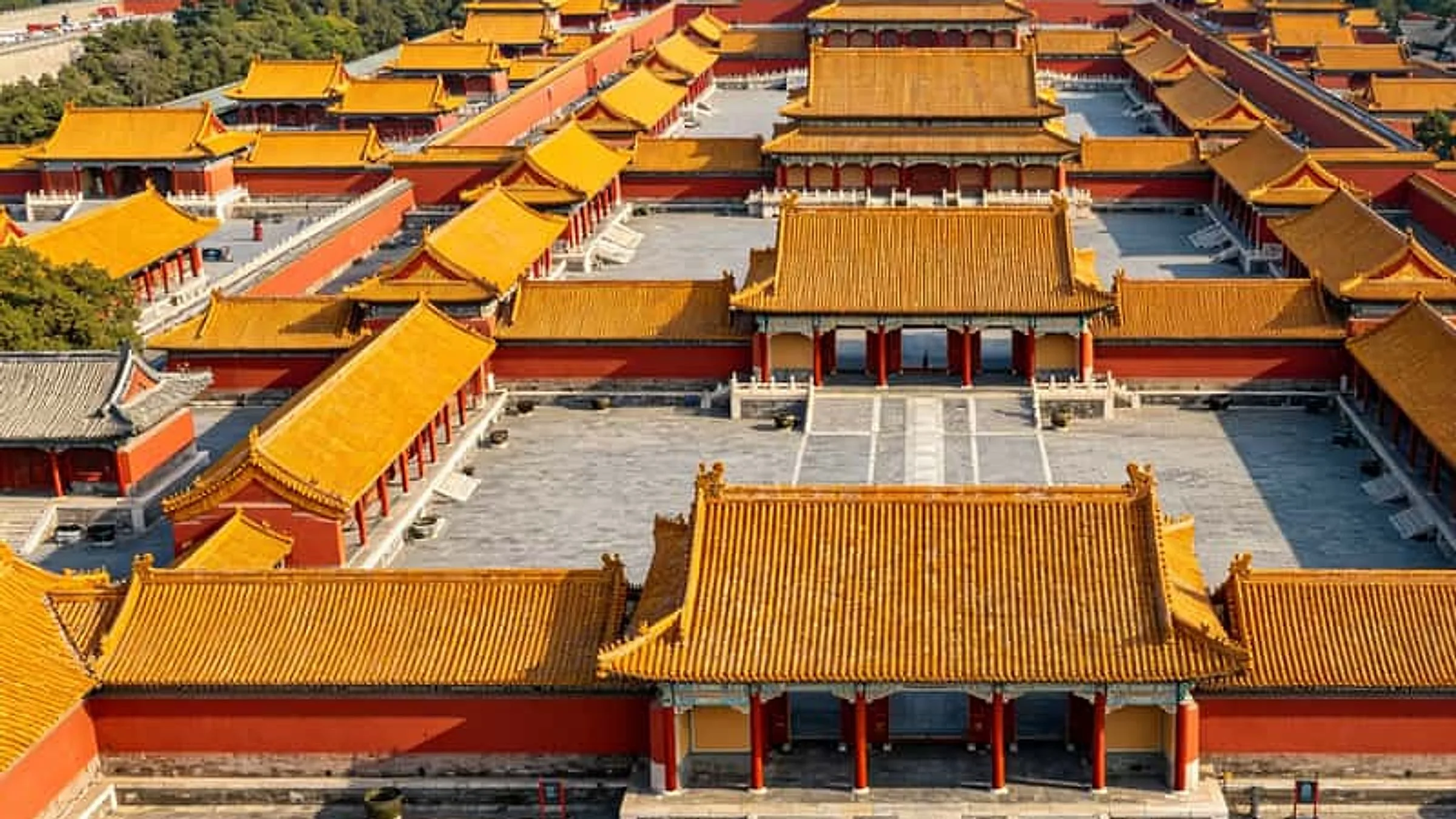
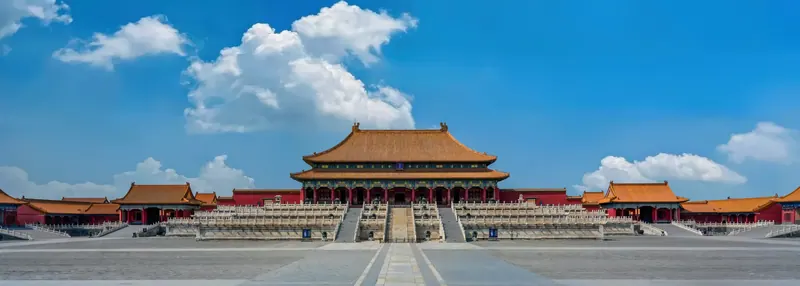
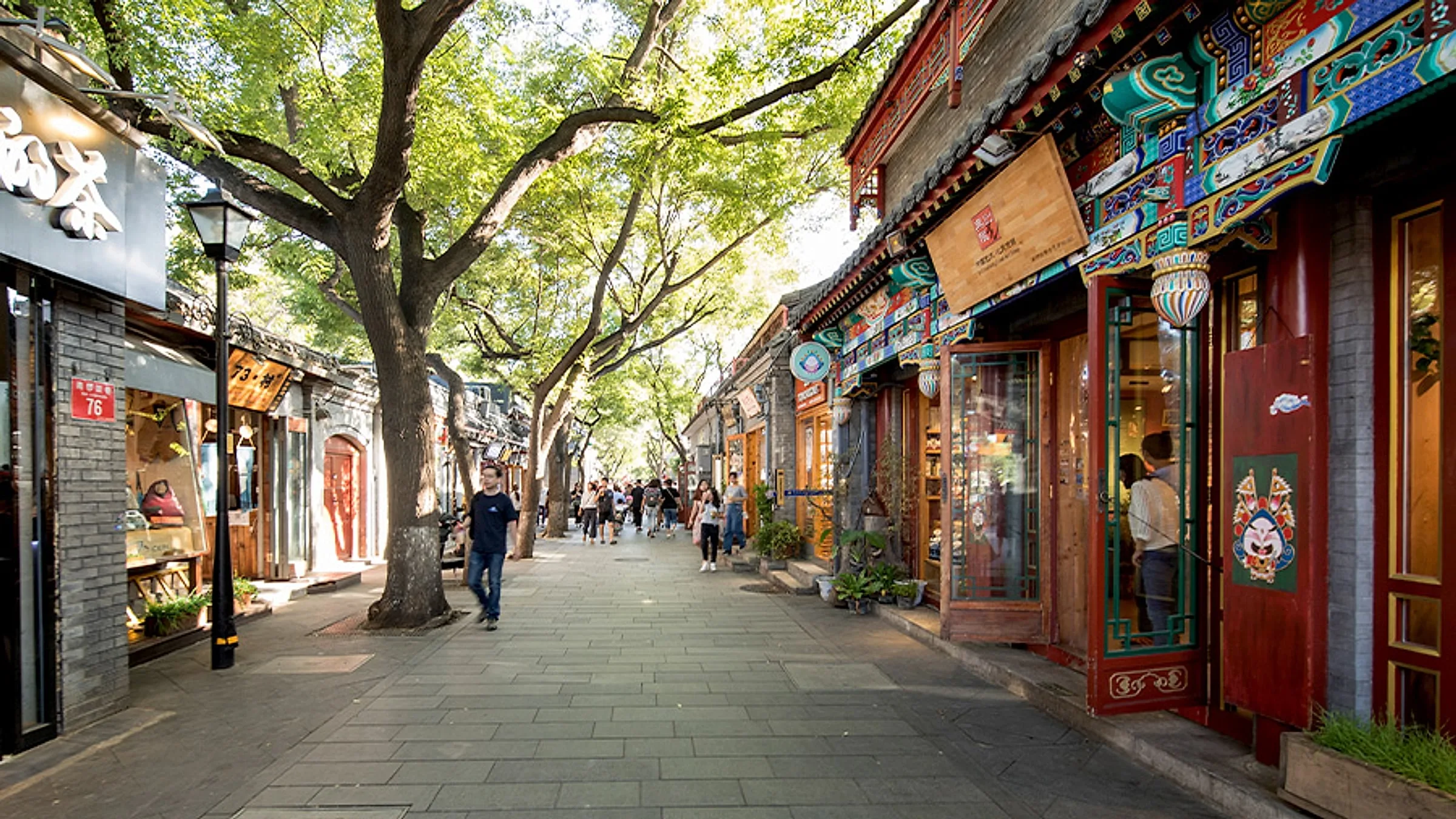
Beijing has the most traditional programme: Forbidden City decorations, temple fairs in every park, and hutong firecracker shows that start at midnight. It is also the most crowded. Three days is enough for the festival itself.
Shanghai pairs the lantern festival at Yu Garden with the easiest transport and the widest hotel choice in the country. It is the most comfortable base if you are also shopping or doing food.

Harbin runs the ice and snow festival during the same weeks — illuminated ice architecture built from the frozen river. It is a genuinely different trip from the southern cities, and it is cold: plan for -20°C or below.

Xi’an has the most characterful temple fair and the least international crowd. Chengdu is the quiet option — panda base, teahouses, hotpot, and no festival crush.
Getting around during the travel rush
The weeks around 6 February are the busiest domestic travel period of the year, and tickets sell out rather than get expensive.
| Route | Typical second-class fare | Time | Notes |
|---|---|---|---|
| Beijing – Shanghai (bullet train) | ¥553 (~$77) | ~4.5 hours | The single busiest route of the rush |
| Beijing – Xi’an | ¥515 (~$72) | ~5 hours | Comfortable, scenic by day |
| Xi’an – Chengdu | — | ~3 hours | Fastest way to link the two |
| Chengdu – Shanghai | — | ~12 hours | Consider flying for this leg |
China Railway releases Spring Festival tickets on a set schedule each year — check 12306 for the release date and book the same day. The service fee on a third-party booking site is typically ¥10–30 per ticket, so booking direct is cheaper if your Chinese payment methods are set up.
Compare Beijing–Shanghai train fares on Trip.comWhat to eat during the festival
Every dish carries a meaning, and that is the part visitors enjoy most: dumplings shaped like old ingots for wealth, whole fish for abundance, nian gao rice cake for “a higher year”, and longevity noodles that must not be cut.
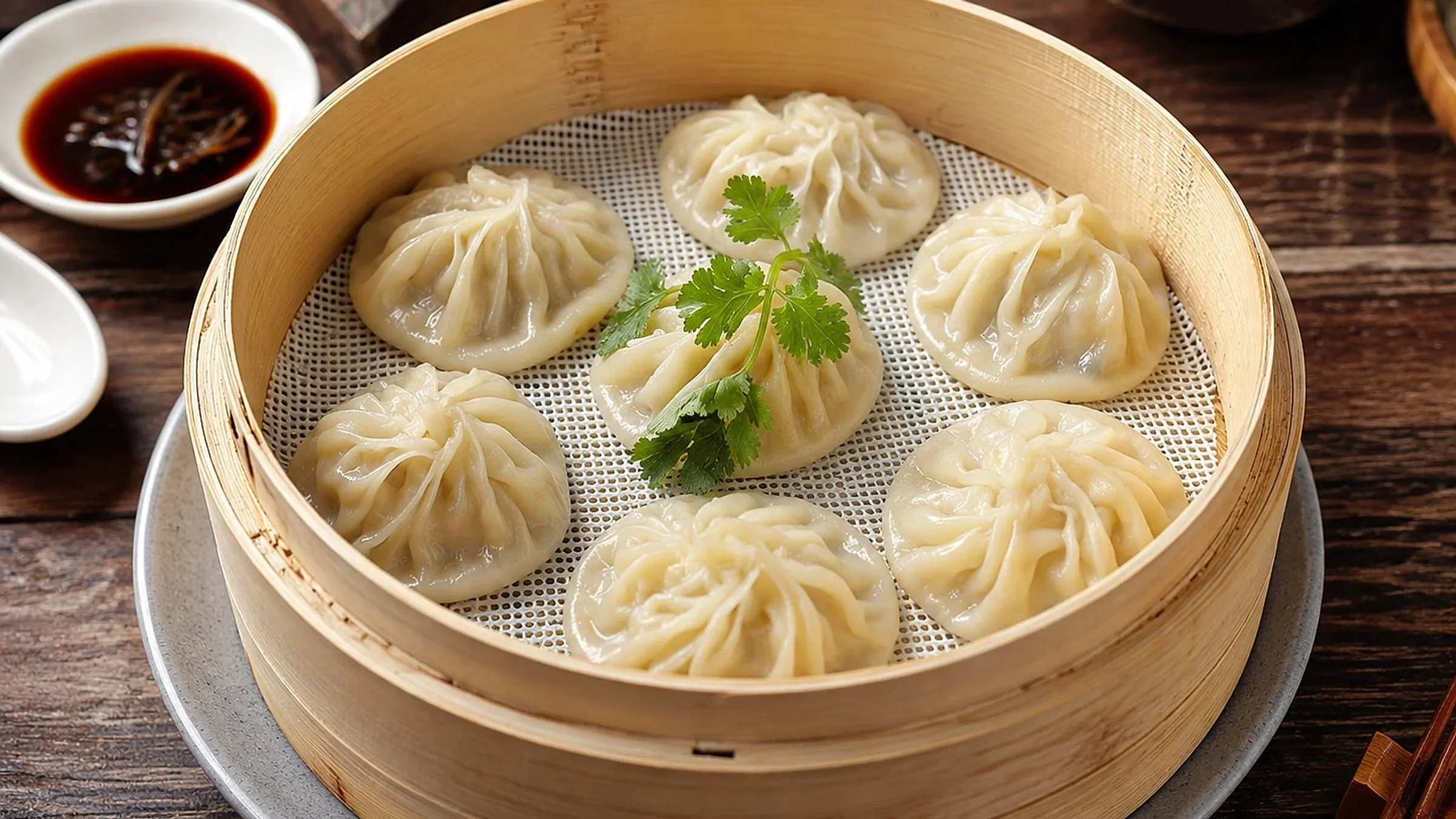
- Shanghai — xiaolongbao soup dumplings, and tangyuan sweet rice balls for the Lantern Festival
- Beijing — Peking duck, jiaozi dumplings, and the temple-fair snacks
- Chengdu — hotpot, and a family dinner that will outlast your evening
- Everywhere — the regional new year dish varies, but the logic is the same: the best food the family can make
What Chinese New Year travel costs
Baseline per person for a 7-day trip, excluding international flights:
| Tier | Daily | 7 days | Notes |
|---|---|---|---|
| Budget | $80–150 | $800–1,200 | Hostels, night trains, street food |
| Mid-range | $215–355 | $1,500–2,500 | The realistic festival tier |
| Comfort | $500–1,000 | $3,500–7,000 | International hotels, private tours |
Festival-week accommodation prices sit above the annual average, and the premium shifts every year, so price your exact dates on the booking site rather than trusting a percentage. Food, trains and attractions do not change much — the swing is almost entirely hotels. Our full China trip cost guide has the category-by-category breakdown.
Compare Beijing hotels for festival week on Trip.comWhat to book, and when
| When | Do this |
|---|---|
| 3–4 months out | Confirm visa route; buy eSIM; check the official holiday dates |
| 2–3 months out | Book international flights; pick your city |
| On ticket-release day | Buy trains on 12306; book intercity hotels |
| 2–3 weeks out | Set up Alipay and WeChat Pay; download Amap and Pleco |
| 1 week out | Order banquet-hall or restaurant tickets for New Year’s Eve; withdraw ¥500–1,000 cash |
Etiquette for visitors
- Greetings: 新年快乐 (xīn nián kuài lè) is safe for anyone; 恭喜发财 (gōng xǐ fā cái) is for business contexts.
- Red envelopes (hongbao): accept with both hands, do not open it in front of the giver.
- If invited to a family dinner: bring a small gift — fruit, tea or sweets — and treat the meal as a serious gesture of trust.
- Taboos: do not sweep on New Year’s Day, do not give clocks, umbrellas or pears as gifts, and avoid saying unlucky words.
- Ask before photographing private rituals, performers or family moments.
Start planning your trip
Put the dates in and let the planner build the skeleton — then fill the festival days in around it.
Sources
- [1] China Railway 12306 — official ticketing and Spring Festival release rules · China Railway 12306
- [2] Smithsonian National Postal Museum — 2027: Year of the Goat · postalmuseum.si.edu
- [3] BBC Teach — Lunar New Year (Chinese New Year) 2027 resources · bbc.co.uk
- [4] HISTORY.com — Lunar New Year 2027: Dates, Animal & Traditions · history.com
Step by step
-
Check whether you need a visa, an eSIM, or both (3-4 months out)
Confirm your nationality against the 30-day visa-free entry list, or start an L-visa application if you are not covered. Transit eligibility does not help you stay for the festival. Buy a China eSIM at the same time so you have data for the booking sites.
-
Book international flights (2-3 months out)
Festival-period fares peak and then fall sharply after the holiday, so if your dates are fixed, book early. If they are flexible, arriving two to three days before 6 February is cheaper than arriving on the first day.
-
Lock trains and intercity hotels on release day
Watch 12306 for the Spring Festival ticket release date and book the moment tickets open. Book intercity hotel nights for the whole stay in one go — festival-week rooms in Beijing, Shanghai and Xi'an are the first to go.
-
Set up Alipay and WeChat Pay (1-2 weeks out)
Bind a foreign Visa or Mastercard to Alipay in about 5 minutes and to WeChat Pay in about 10 minutes. Limits apply: roughly $100 per transaction on Alipay, and ¥6,000 per transaction and ¥50,000 a month on WeChat Pay with a 3% fee above ¥200.
-
Plan one festival day per city, not one per attraction
Temple fairs and lantern shows take a full day each and run on a festival schedule rather than normal opening hours. Pick two festival days for a week-long trip — one for the parade and fireworks, one for the food and market — and fill the rest with normal sightseeing.
-
Carry cash for the stalls (day of)
Bring ¥500-1,000 in cash for temple-fair food stalls and small vendors. Alipay and WeChat Pay work almost everywhere else, but the smallest stalls at fairs are still commonly cash-only.
FAQ
-
When is Chinese New Year 2027?
Chinese New Year 2027 begins on Saturday, 6 February 2027. It is the first day of the first lunar month and the official start of the Year of the Fire Goat. The main celebration runs 15 days and ends with the Lantern Festival on 20 February 2027. -
Do I need a visa to visit China for Chinese New Year 2027?
You need one of three things: the 30-day visa-free entry (available to 50 nationalities and updated by China's immigration authority as announcements change), a Chinese tourist visa (L-visa), or the 240-hour visa-free transit if your nationality qualifies. The 240-hour transit option is for transit only — it needs a confirmed onward ticket to a third country and cannot be used to stay through the festival. -
Which city is best for Chinese New Year in China?
Beijing has the most traditional festival programme — Forbidden City decorations, temple fairs and hutong firecracker shows. Shanghai pairs the Yu Garden lantern festival with the easiest transport and the widest hotel choice. Harbin runs the ice and snow festival at the same time. Chengdu and Xi'an are the quieter alternatives if you want a festival without the crowds. -
How far ahead should I book trains and flights for Chinese New Year?
Two to three months for international flights, and the moment Spring Festival train tickets open for domestic travel. China Railway releases Spring Festival tickets on a set schedule each year, and the trains sell out across the travel rush weeks — check 12306 for the release date and set an alert. -
How much does Chinese New Year travel cost?
The baseline for a 7-day trip is $800-1,200 budget, $1,500-2,500 mid-range or $3,500-7,000 comfort per person excluding international flights. Festival-week accommodation prices sit above the annual average, and the premium changes every year, so price your exact dates on the booking site rather than trusting a percentage. -
What do people eat during Chinese New Year?
Dumplings (jiaozi) for wealth, whole fish for abundance, nian gao rice cake for a higher year, longevity noodles for a long life, and tangyuan sweet rice balls at the Lantern Festival. In Shanghai that means xiaolongbao soup dumplings, in Beijing Peking duck, in Chengdu hotpot. -
What should I say if I am invited to a Chinese New Year dinner?
Xīn nián kuài lè (新年快乐, happy new year) works for anyone. If you are meeting a family, bring a small gift — fruit, tea or sweets are all appropriate. Accept a red envelope with both hands and say thank you, and do not open it in front of the giver. -
Is Chinese New Year a good time to visit China?
It is the most atmospheric time of the year and the busiest. You get decorations, temple fairs, parades and fireworks, at the cost of peak crowds, peak prices and sold-out trains. If your trip is about seeing China rather than seeing the festival, April-May and September-October are calmer and cheaper.
Related guides
- Tools & Resources
How Much Does a Trip to China Cost in 2026?
A 7-day trip costs $800-1,200 budget, $1,500-2,500 mid-range or $3,500-7,000 comfort per person, excluding international flights.
11min read
- Itineraries
What to Do in Chongqing: 3-Day Itinerary, Hotpot & Caves
What to do in Chongqing in 3 days: Hongya Cave at sunset, Ciqikou, real hotpot, the Dazu Rock Carvings. Plus how to stretch it to 5 days and the direct trains to Shanghai and Hong Kong.
10min read
- Itineraries
3 Days in Hangzhou: The Perfect Itinerary (2026)
Hangzhou 3-day itinerary: West Lake on day 1, Lingyin Temple and Longjing tea on day 2, Hefang Street and the Imperial Street on day 3.
9min read
- Itineraries
First Time in China 2026 Guide
First-time China 2026: visa-free entry, Alipay + WeChat Pay setup, the apps to install at home, common scams, and 30-50% savings. Verified 2026.
14min read
- Itineraries
China Group Tours 2026: Is It Worth It?
China group tours cost $2,000-5,000 for 10-14 days. The top 6 operators, honest pros and cons, the shopping-stop trap, and when to go independent.
10min read
- Itineraries
3 Days in Wuhan: Yellow Crane Tower, East Lake (2026)
A foreigner-friendly 3-day Wuhan plan: Yellow Crane Tower at sunset, Hubu Lane food street, East Lake cherry blossoms and the Hubei Museum bronze bells.
9min read