
Beijing Apartments for Rent: Expat Guide for 2026
Beijing apartments run ¥6,500-15,000 for a Chaoyang one-bedroom, and heating is a separate bill that can add ¥2,700 a season. What rent a flat in Beijing really costs, the commission cap, and the extra filing foreign tenants trigger.
Prices, fees and rules checked 15 November 2026 against the Beijing housing rental regulation, the municipal heating price list, and the October 2026 rental index.
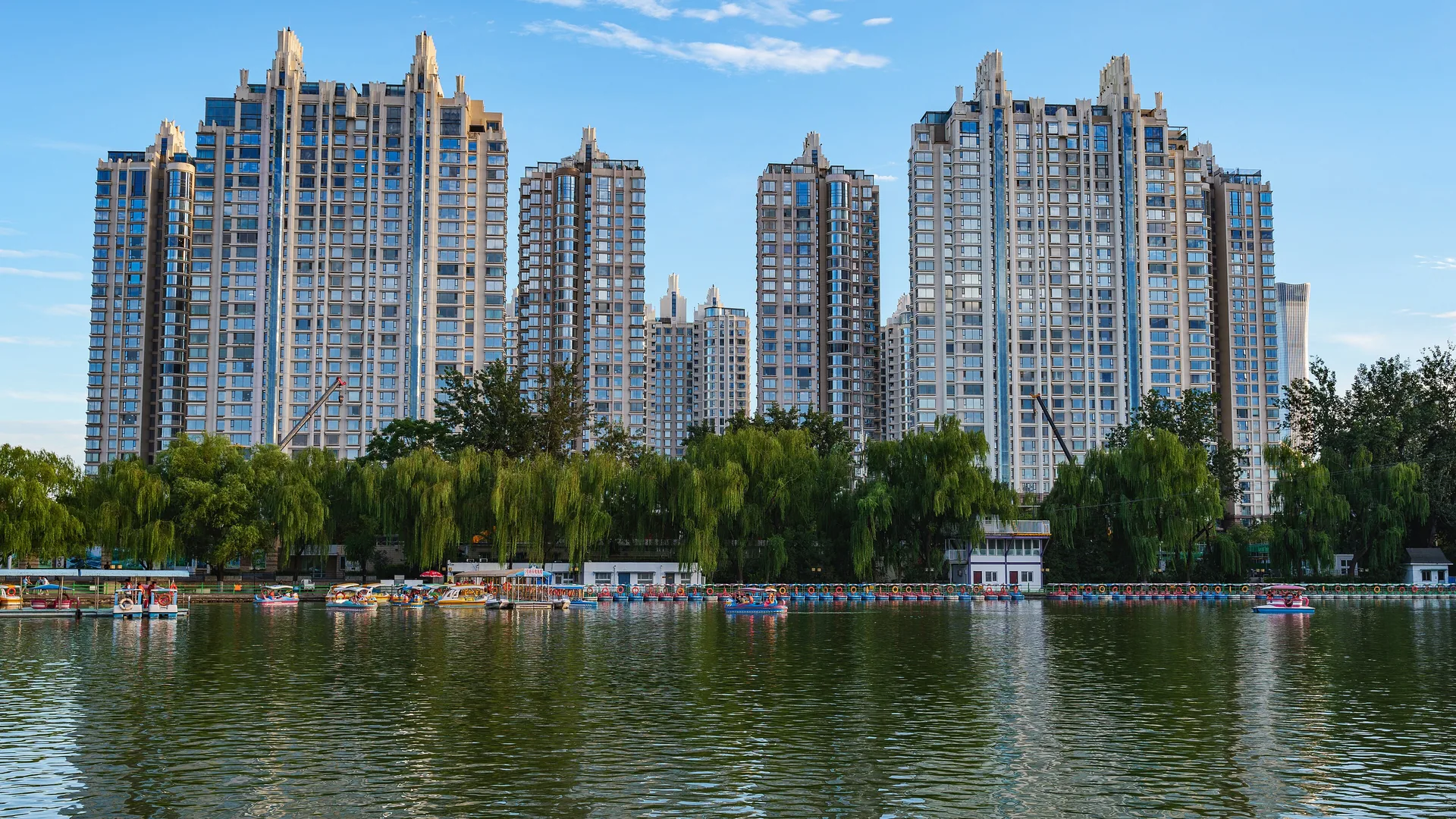
Beijing does not have one rental market. It has a lease market and a serviced market, and most foreigners arrive looking for the first while being shown the second. A furnished one-bedroom in Chaoyang asks ¥6,500 to ¥15,000 a month; a serviced apartment in the same district starts at ¥18,000 for 76 square metres, all in. The number that decides which one you can afford is not the rent. It is how long you are staying, and whether anyone has explained the heating bill.
Three things on this page are worth more than the rest. Heating is billed separately, per square metre, for a season that runs 15 November to 15 March. Agents are capped at one month’s rent as commission, and renewals are free by law. And a foreign tenant triggers one extra document in the housing bureau filing that almost no guide mentions, because the landlord, not you, is the one who has to produce it.
What a Beijing apartment costs in 2026
Start with the index, because it is the only number that covers the whole city. The October 2026 fifty-city survey put Beijing at ¥80.78 per square metre per month, down 0.85% on September, with the central districts falling hardest: Xicheng, Haidian, Dongcheng and Changping all dropped more than 1% in a month.
That index is the market for tenants who already live here. It is not the market you will be quoted. Furnished flats aimed at foreigners sit well above it:
| Area | 1-bedroom | 2-bedroom | Who it suits |
|---|---|---|---|
| Chaoyang (Sanlitun, Liangmaqiao, CBD) | ¥6,500-15,000 | ¥9,500-25,000 | Walk to work, walk to dinner |
| Haidian (Wudaokou, Zhongguancun) | ¥6,000-11,000 | ¥8,000-16,000 | Universities, tech, students |
| Dongcheng / Xicheng (renovated hutong or modern block) | ¥5,500-10,000 | ¥9,000-18,000 | Central, atmospheric, fewer English menus |
| Shunyi (villas and compounds) | ¥25,000-60,000+ (villa) | ¥40,000-90,000+ | Families, international schools |
| Tongzhou, Daxing, Changping | ¥3,500-8,000 | ¥6,500-13,000 | Longer commute, more space |
Two notes before the table is useful. The range inside Chaoyang is enormous because it covers both a 1990s walk-up near Tuanjiehu and a serviced-standard tower on the Liangma River. And the outer-district line is where Beijing is genuinely cheaper than Shanghai: the same ¥7,000 that rents a one-bedroom inside the Third Ring buys a two-bedroom with a balcony in Tongzhou.
Then add heating, which is not in any of those numbers:
| Item | Cost | Detail |
|---|---|---|
| Central heating, city network | ¥24 per ㎡ per season | Billed on building area, not usable area |
| Central heating, gas/oil/electric boiler | ¥30 per ㎡ per season | The most common setup in newer compounds |
| Season | 15 November - 15 March | Fixed by the municipal heating regulation |
| Indoor standard | 18°C minimum | In bedrooms and living rooms, normal weather |
| Payment deadline | 31 December | For the current season |
A 90 square metre flat therefore carries ¥2,160 or ¥2,700 of heating for the year, on top of rent. Serviced apartments usually include it. Private landlords usually do not, and the lease often says nothing at all until the bill arrives in December.
Rent or serviced: two different markets
Beijing’s search volume is dominated by the noun, not the verb. People search for apartments in Beijing more often than for how to rent one, and the reason is visible at the airport: a large share of arrivals are on three-to-twelve-month postings, and they are not looking for a lease.
| Private lease | Serviced apartment | Short-let | |
|---|---|---|---|
| Typical price, 1-bed | ¥6,500-15,000 | ¥18,000-26,000 | Hotel rates |
| Minimum term | 12 months, sometimes 6 | 1 month | 1 night |
| Upfront cash | Deposit + 3 months + commission | 1 month | Per night |
| Heating | Usually yours | Included | Included |
| Furnishing | Varies, often partial | Full, with kitchen and washer | Hotel standard |
| Language | Chinese contract, agent may translate | English front desk | English front desk |
The serviced tier in Beijing is priced per month, openly, which makes it comparable for the first time:
| Property | Unit | Monthly rent | Included |
|---|---|---|---|
| Somerset Grand Fortune Garden (CBD) | 76㎡ one-bedroom | from ¥18,000 | Kitchen, pool, gym, published monthly rate |
| Ascott Raffles City (Dongcheng, Dongzhimen) | 75㎡ one-bedroom | ¥26,000 | Management, heating, gym, broadband, twice-weekly clean |
| Oakwood Residence Damei (Chaoyang) | 80-103㎡ studio | ¥18,000-22,000 | Full kitchen, weekly cleaning, hot spring |
Ascott’s ¥26,000 is on a twelve-month lease; shorter terms price higher. That is the honest comparison point: a serviced one-bedroom costs roughly what a Chaoyang lease costs after you add commission, a deposit you may not fully recover, furniture, and heating.
Where expats actually live in Beijing
Four areas absorb most of the foreign rental demand, and they are chosen for three different reasons.
Chaoyang is the default. Sanlitun and Liangmaqiao give you the embassy district, the restaurants, and a walkable social life; the CBD gives you offices within walking distance; Wangjing, north of the airport expressway, is where the tech and telecom money lives and rents run below Sanlitun for newer buildings. If you have no other constraint, this is where you start.
Haidian is the academic and tech belt: Peking University, Tsinghua, Wudaokou’s language schools, and Zhongguancun. It is younger, cheaper and further from the expat nightlife, which some people count as the advantage.
Shunyi is not a neighbourhood, it is a lifestyle decision. The villas and compounds out there exist because of the international schools, and the trade is explicit: a garden, a school bus at the gate, and 40 to 60 minutes by car to the centre. Families make it happily. Singles rarely do.
Dongcheng and Xicheng are the old city, and they come with a rule that matters for anyone thinking about a short stay: the capital’s core function area, which is these two districts, bans short-term rentals outright under the rental regulation. A courtyard for a week is not a legal product there. A courtyard for a year is a very expensive one, which the next section covers.
Renting a flat long term: channels and limits
Five channels actually work with a passport, and they are not ranked by price alone.
Wellcee (唯心所寓) runs a bilingual interface, bans agent accounts, and connects you straight to owners at zero commission. It is the only platform where the person answering is usually the person who owns the flat.
Ziroom (自如) is the institutional option: standardised renovation, no agency commission, and a service fee instead, calculated at roughly 8% to 12% of annual rent on shared flats and 10% on whole units, covering cleaning, repairs and broadband. Contracts are filed for you, which removes the biggest administrative risk.
Lianjia and Beike (链家 / 贝壳) hold the largest inventory and the most accurate listing data, but both assume a Chinese mobile number and real-name verification, so most foreigners end up walking into a branch. Commission there is half a month from each side or a month from the tenant.
Independent agents cluster around Sanlitun and Liangmaqiao and speak English. They are the fastest route to a serviced-standard flat and the least regulated. Under the regulation they may take at most one month’s rent in commission, and nothing on renewal.
Subletting (二房东) is where the cheap listings come from and where the losses happen. The regulation now pushes individuals who sublet beyond a set number of units into registering as a rental business, but enforcement is uneven. Ask for the ownership certificate and, if the signer is not the owner, the document allowing the sublet.
The money at signing follows a formula:
| Item | On a ¥9,000 flat |
|---|---|
| Deposit (押金) | ¥9,000 |
| Rent, three months up front (付三) | ¥27,000 |
| Commission, half a month | ¥4,500 |
| Total before keys | ¥40,500 |
| Commission, one month (the legal ceiling) | ¥9,000, total ¥45,000 |
Short stays and furnished options
Short letting in Beijing is legal only outside the two core districts, and even there it needs three things: compliance with the city’s short-let rules, consent under the compound’s management covenant (or from every owner in the building or courtyard if there is no covenant), and a signed public-security responsibility agreement with the local police station. That is why the short-let market here is mostly serviced apartments and hotels rather than apartments by the night.
Airbnb is not an option in Beijing or anywhere else in mainland China: the platform suspended its domestic listings in 2022 and has no timetable to return, so searches for a Beijing apartment on Airbnb lead to outbound travel inventory, not local flats. The realistic first week is a hotel near the area you are targeting, then a serviced apartment or a monthly lease.
For the first week, Trip.com hotels in Beijing is the cheapest way to keep your options open while you view flats. For everything between a hotel and a lease, our guide to alternative stays in China covers what actually replaced Airbnb.
The hutong question: can you rent a courtyard?
Yes, and the prices will surprise you. Renovated courtyard houses in Dongcheng and Xicheng are now the most expensive residential product in the city:
| Property | Size | Monthly rent | Terms |
|---|---|---|---|
| Courtyard, 2 bedrooms, Yonghegong area | 120㎡ | ¥23,000 | Furnished, renovated |
| Courtyard, 3 bedrooms, Yonghegong area | 180㎡ | ¥33,000 | Furnished, renovated |
| Private compound, 5 bedrooms, Baimicang Hutong | 280㎡ plot | ¥42,000 | Two months deposit, six months up front |
| Single-storey hutong unit, 1 bedroom | Independent unit | ¥8,000 | Six-month payment |
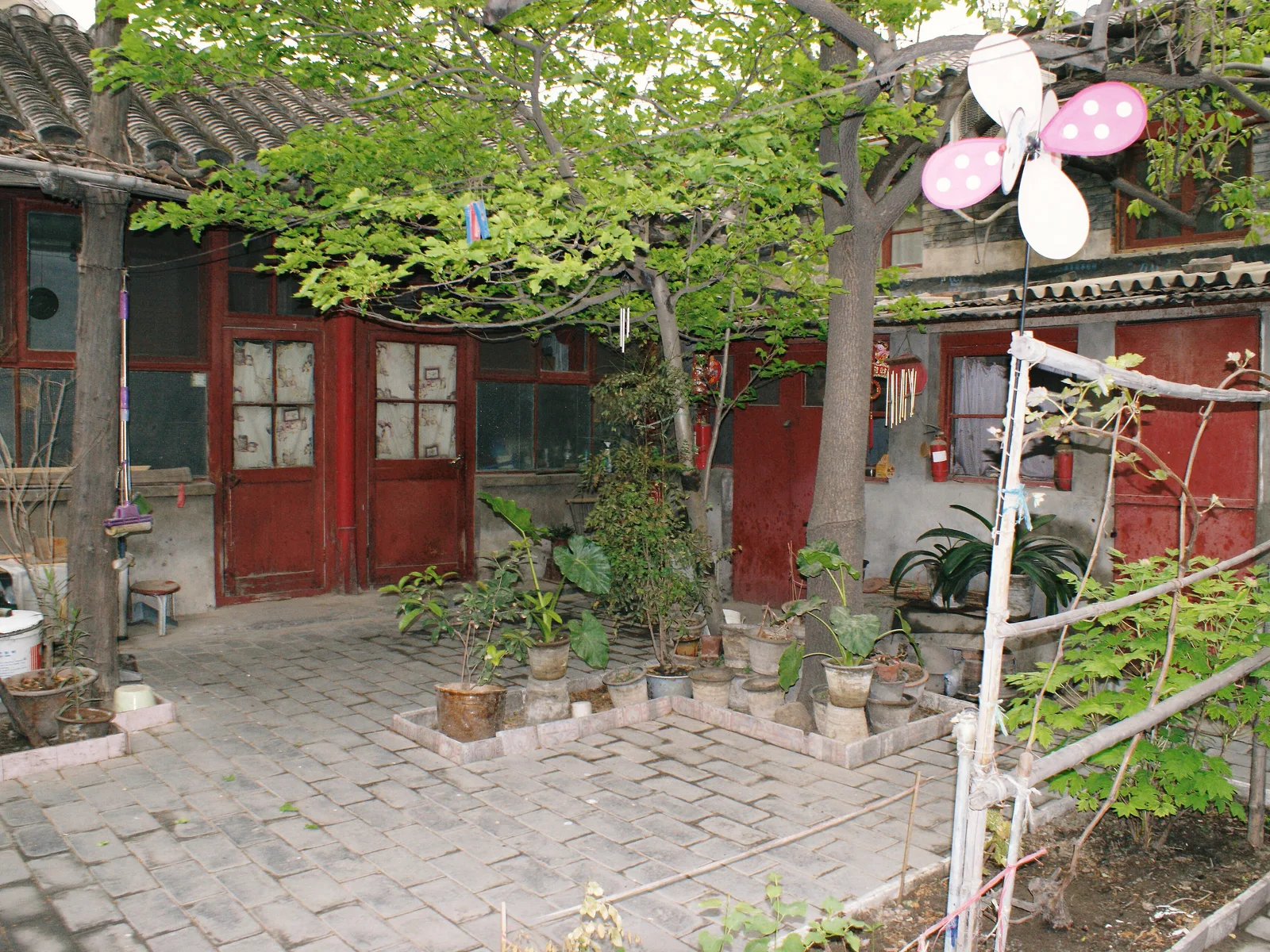 *
The unrenovated stock is a different product at a different price, and it is where the romance meets the plumbing. Many traditional courtyard homes have no private bathroom, single-glazed windows, and heating that was retrofitted rather than designed. Winter is the test: ask what the indoor temperature was in January, and who pays for the electricity that keeps it above 10°C.
One legal point before you fall in love with a courtyard: public housing (公房), including the directly managed stock, has restricted subletting, and the Beijing rental regulation does not apply to it at all. If the person renting to you is not the owner on the certificate, the document permitting the sublet is the whole deal. For the history and layout of these houses, our guide to Beijing’s hutongs is the background you want before a viewing.
Contract, deposit and the two registrations
The lease itself follows the municipal model text, which is long, in Chinese, and mostly standard. Four clauses are worth writing in by hand:
Who pays heating and property management; the date the deposit is returned and the inventory that proves the handover condition; the penalty for leaving early; and an explicit promise that the landlord will cooperate with the housing bureau filing and the police registration.
The housing bureau filing (备案) is the landlord’s obligation, due within 30 days of signing. If the lease was signed through an agency or a rental company, they file it for you on the Beijing housing rental platform and you never see the process. If it was signed directly with an owner, either side can file through the 京通 mini-program, the housing commission’s platform, or a district service window. The filing number is what the residence permit, school enrolment and provident fund applications will ask for.
Foreign tenants add one document: when the tenant is a foreign national or a Hong Kong, Macao or Taiwan resident, the landlord must also submit a state security approval decision from the Beijing State Security Bureau. It is not something you can produce yourself, and it is the single most likely reason a private landlord gives up halfway. Ask before signing.
The police registration is separate and clocks from the day you move in: within 24 hours, filed by you or by the person providing the accommodation, at the local police station or online through the National Immigration Administration’s app and mini-programs since 21 September 2026. The fine for skipping it is up to ¥2,000. The full mechanism, including what counts as a hotel and what does not, is in our guide to hotel and address registration.
Commuting: what each district costs you in time
Beijing prices distance more steeply than Shanghai, because the ring roads make a 12 kilometre trip either 25 minutes or 70 depending on the hour. The table below is the trade most people actually make, measured from the district to the Guomao CBD:
| Living in | To Guomao | Rent saved on a 1-bedroom | The catch |
|---|---|---|---|
| Sanlitun / Liangmaqiao | 15-20 min by metro | none, this is the premium | You pay for the walk to dinner |
| Wangjing | 30-40 min | ¥1,000-3,000 | Line 14 to Line 10, one change |
| Haidian (Wudaokou) | 45-55 min | ¥2,000-4,000 | Line 4 to Line 1, or Line 13 loop |
| Tongzhou | 40-50 min | ¥4,000-6,000 | Batong Line crush at 8am |
| Shunyi | 40-60 min by car | not comparable, villa stock | School run, no metro to the door |
Two rules of thumb hold up. Anything inside the Third Ring keeps a 30-minute commute to most office clusters. And a single metro change is worth about ¥2,000 a month in rent, which is why Wangjing rents what it does.
Paying rent without a Chinese bank card
Rent is paid by transfer, not by card. Alipay and WeChat Pay both accept foreign cards for small purchases, but a ¥27,000 upfront payment is where foreign card limits and risk controls bite, so most leases are settled by bank transfer to the landlord’s account or by cash in the branch.
Three practical consequences. Budget a week to open a Chinese bank account if your employer has not arranged one, because it is also what makes utilities and property management payable in the app. Ask for the landlord’s account name to match the name on the ownership certificate, and refuse any request to pay a third party. And if your employer pays the rent, ask for an official tax invoice (发票) at signing: the landlord has to issue it, some will refuse, and the refusal is much easier to handle before the lease is signed than after.
Five things that go wrong for foreigners
The deposit that never comes back. Without an inventory and photographs at handover, “the walls need painting” becomes a deduction. Photograph everything, get the inventory signed, and keep the WeChat thread.
The listing that does not exist. Photos are recycled across compounds. Insist on a live video call from inside the flat, with the window open, before you cross the city.
The sublet with no paper. A price 30% below the compound average is usually a sublet by someone who does not own the flat. Ask for the certificate and the sublet permission, in that order.
The heating dispute in December. Whoever signed for the heating pays it, and if the contract is silent the tenant usually loses. Put it in the contract.
The contract in Chinese only. The model text is fine; the handwritten additions are not. Have the four clauses translated before you sign, not after.
Is Beijing really in a housing crisis?
The phrase gets searched by people reading about property prices, and the answer separates two markets that are usually conflated.
For buyers, yes: prices are high relative to incomes, and the rental yield in Beijing is about 1.60%, the lowest of the four first-tier cities. For renters, the last two years have moved the other way. The October 2026 index shows rents down 0.85% month on month and down more than 1% in four central districts, with subsidised rental housing entering the market at scale and setting a reference price below the market rate for older stock. Vacancy is the landlord’s problem right now, not the tenant’s, which is why a twelve-month lease with a good payment record is worth negotiating with: ask for the heating to be included, or for the second month to be waived, before you ask for a discount on the headline rent.
What is genuinely scarce is not floor area but the combination people want: a 30-minute commute, a lift, south-facing windows, and a landlord who will file the paperwork. That combination is what the Chaoyang premium actually buys.
- Photos marked * in this article are from Wikimedia Commons — attribution and licence: Hugh Llewelyn, CC BY-SA 2.0*
Sources
- [1] 北京市住房租赁条例(2022-05-25 通过,2022-09-01 施行)全文 · Government of the PRC · Nov 15, 2026
- [2] 北京市住房和城乡建设委员会 — 《北京市住房租赁条例》政策解读(佣金上限、押金监管、短租限制) · Government of the PRC · Nov 15, 2026
- [3] 北京市住房和城乡建设委员会 — 如何进行住房租赁合同登记备案(30 日时限与三种办理方式) · Government of the PRC · Nov 15, 2026
- [4] 北京市政务服务网 — 住房租赁合同登记备案办事指南(境外承租人需提交国家安全局审批决定书) · Government of the PRC · Nov 15, 2026
- [5] 北京市城市管理委员会 — 供热价格查询(居民 24 元 / 30 元每建筑平方米·采暖季) · Government of the PRC · Nov 15, 2026
- [6] 北京市城市管理委员会 — 供热常见问题汇总(采暖期、室温 18℃、缴费期限、收费标准依据) · Government of the PRC · Nov 15, 2026
- [7] 北京市人民政府 — 北京市供热采暖管理办法(第十二条:采暖期为当年 11 月 15 日至次年 3 月 15 日) · Government of the PRC · Nov 15, 2026
- [8] 中华人民共和国出境入境管理法(第三十九条、第七十六条) · Government of the PRC · Nov 15, 2026
- [9] 国家移民管理局 — 关于全国推广网上办理外国人旅馆以外住宿登记的公告(2026 年第 7 号) · Government of the PRC · Nov 15, 2026
- [10] 中指研究院 50 城住宅租金月报 — 2026 年 10 月北京租金 80.78 元/平方米/月,环比 -0.85% · Tencent News · Nov 15, 2026
- [11] Cities Insider — 北京租房市场指南(2026 年租金区间、自如服务费、供暖费与外国人物业成本) · citiesinsider.com · Nov 15, 2026
- [12] 新京报 — 长租机构费用结构:自如有无中介费、服务费按年租金 8%~12% 计 · bjnews.com.cn · Nov 15, 2026
- [13] Wellcee 唯心所寓 — 东城白米仓胡同 280㎡ 独院,¥42,000/月,押二付六,外籍友好 · wellcee.com · Nov 15, 2026
- [14] 贝壳 / 链家系服务式公寓租金参考 — 北京雅诗阁来福士 75㎡ 一居 ¥26,000/月(12 个月租约含管理费、供暖、健身、宽带) · gongyuzufang.com · Nov 15, 2026
- [15] Wherebest — 北京长租服务式公寓月租对比(Somerset Grand Fortune Garden 76㎡ 一居 ¥18,000/月起) · wherebest.com · Nov 15, 2026
Step by step
-
Decide rent or serviced before you look at anything
Under three months, a serviced apartment at ¥18,000 to ¥26,000 a month is cheaper than a lease once you add commission, deposit, furniture and the heating bill. Over a year, the private market in the same district costs half as much.
-
Pick the district by commute, not by reputation
Chaoyang for Sanlitun, Liangmaqiao and the CBD; Haidian for universities and Zhongguancun; Shunyi for international schools and villas, at 40 to 60 minutes by car from the centre. The metro line matters more than the district name.
-
Book one week of a hotel near the target area
You need three days of viewings and a second visit to the shortlist. Booking near the airport or near Tiananmen wastes that week in traffic.
-
Budget the season, not just the month
Add one month of deposit, three months of rent, half to one month of commission, and ¥2,160 to ¥2,700 of heating for a 90 square metre flat. Then ask whether the property management fee is inside the rent.
-
Verify ownership and the property's status
Ask for the ownership certificate and the owner's ID, and check the two names match. If the flat is public housing or a sublet, ask for the document that permits subletting. No money moves before you have stood inside the flat.
-
Sign the municipal template and write in four clauses
Who pays heating and property management, the deposit return date with a handover inventory, the early-termination penalty, and whether the landlord will cooperate with the housing bureau filing and the police registration.
-
File twice: police within 24 hours, housing bureau within 30 days
Register at the local police station or through the National Immigration Administration app the day you move in, keep the receipt, then confirm the landlord has submitted the lease to the Beijing housing rental platform (or do it yourself through 京通 if they refuse).
FAQ
-
How much is rent in Beijing for a one-bedroom apartment in 2026?
Between ¥6,500 and ¥15,000 a month in Chaoyang and the central districts, depending on how close the flat is to Sanlitun, Liangmaqiao or the CBD. Haidian runs ¥6,000 to ¥11,000, Shunyi villas run ¥25,000 to ¥60,000 and up, and the outer districts (Tongzhou, Daxing, Changping) start around ¥3,500. The citywide index figure for October 2026 was ¥80.78 per square metre per month, which for a 60 square metre flat works out near ¥4,850: the gap between that and the Chaoyang one-bedroom number is the difference between the whole housing stock and the furnished flats an agency shows a foreigner. -
Can a foreigner rent an apartment in Beijing?
Yes, with a passport. Nothing in the Beijing rental regulation or the exit-entry law limits renting by nationality. What differs is paperwork. The lease filing (备案) asks the landlord for one extra document when the tenant is a foreign national or a Hong Kong, Macao or Taiwan resident: a state security approval for the project from the Beijing State Security Bureau. Registered agents handle it, but ask before signing who is producing that document, because a private landlord who has never rented to a foreigner will not know it exists. -
What is the agent fee in Beijing, and can it be more than one month?
Legally, no. The Beijing housing rental regulation caps the brokerage commission at one month's rent and bans a second commission when the same tenant renews. In practice the big chains ask half a month from each side or a full month from the tenant, and a renewal should cost you nothing. Everything else that appears at signing, from a contract fee to a key fee, is not a commission and should be refused in writing. -
What does 押一付三 mean and is it negotiable?
One month of deposit plus three months of rent paid up front, the default on private leases. On a ¥9,000 flat that is ¥36,000 before commission. The regulation does not force this on private landlords, but it does cap the institutional side: a rental company may take at most one month as deposit and at most three months of rent at a time. Monthly payment exists mainly through platforms such as Ziroom, which charge a service fee instead, and through senior serviced apartments billed monthly. -
Who pays the heating bill in Beijing?
It depends on the lease, and it is the most expensive thing foreigners forget to check. Central heating runs from 15 November to 15 March and is charged per building square metre for the whole season: ¥24 for the city heat network, ¥30 for a gas, oil or electric boiler. A 90 square metre flat therefore costs ¥2,160 to ¥2,700 a year, payable by 31 December. Serviced apartments usually fold it into the rent; private leases often leave it to the tenant. Get the answer in the contract, not in a WhatsApp message. -
Can I rent a hutong courtyard house in Beijing?
Yes, and renovated courtyards are the most expensive housing in the city. A 120 square metre two-bedroom in the Dongcheng hutongs lists around ¥23,000 a month, a 180 square metre three-bedroom around ¥33,000, and a 280 square metre private compound with five bedrooms about ¥42,000, usually on two months of deposit and six months up front. The unrenovated stock is a different product: shared or outdoor bathrooms, single glazing, and a heating system that decides your winter. Courtyard leases also need a check on the property's status, because public housing (公房) is not freely sublettable. -
Do I have to register my address with the police within 24 hours?
Yes. Article 39 of the exit-entry law requires registration within 24 hours of moving in, done by you or by the person providing the accommodation, and since 21 September 2026 it can be filed online nationwide through the National Immigration Administration app or its WeChat and Alipay mini-programs. Skipping it carries a warning and a fine of up to ¥2,000. The housing bureau filing is separate: the landlord has 30 days, and it is the document your residence permit, school enrolment and provident fund applications will ask for. -
Is rent in Beijing cheaper than in Shanghai?
Slightly, and less than most guides claim. The October 2026 index put Beijing at ¥80.78 per square metre against Shanghai's ¥85.04, roughly 5% lower, while asking prices for furnished flats in the most expat-facing districts are close to identical. What Beijing does differently is geography: the same money buys more space in Haidian or the outer districts, and a great deal less if you insist on a walk to Sanlitun.
Related guides
- Stays & Hotels
Shanghai Apartments for Rent: A Foreigner's 2026 Guide
Shanghai rent is two markets: agency one-bedrooms at ¥10,550, local ones at ¥4,800-7,500. What each channel costs, and the filings you owe in 24 hours.
15min read
- Itineraries
Beijing Itinerary 2026: 3 Days, Forbidden City to Great Wall
Beijing itinerary for 3 days: Forbidden City, Temple of Heaven, the Summer Palace, a Great Wall section and a hutong food tour. ¥1,500-2,500 (US$208–347) per person.
10min read
- Itineraries
Beijing 2-Day Layover Itinerary: Max China, Min Time
Two-day Beijing layover itinerary: Forbidden City highlights, Mutianyu Great Wall, Peking duck and a hutong night walk. PEK/PVG transfers take 1-1.5 hours.
9min read
- Stays & Hotels
Digital Nomad China 2026: Visas, Cities, Costs
Live and work remotely from China in 2026: which visa to use (M, F or 30-day visa-free), the best cities, monthly rents, connectivity and the tax rule.
- Culture & Practical
Christian Heritage in China: 12 Churches & Jesuit Sites
12 Christian heritage sites in China: Beijing's Beitang, Shanghai's St. Ignatius Cathedral and the Jesuit sites, with addresses and mass times.
12min read
- Culture & Practical
China Muslim Travel Guide (2026)
Muslim travel in China: 10 historic mosques, verified halal restaurants in 6 cities, prayer times, Qibla direction and Ramadan advice.
13min read

