
Beijing Hutongs: A Complete Guide to the City's Ancient Alleyways (History, Map, How to Visit)
Complete guide to Beijing's hutongs: the 700-year history from Yuan dynasty to today, why hutongs are disappearing, the 6 best hutong areas to visit as a foreigner, how to navigate them on foot or by rickshaw, the etiquette rules, and how to experience the real local hutong life (not the tourist-trap version).
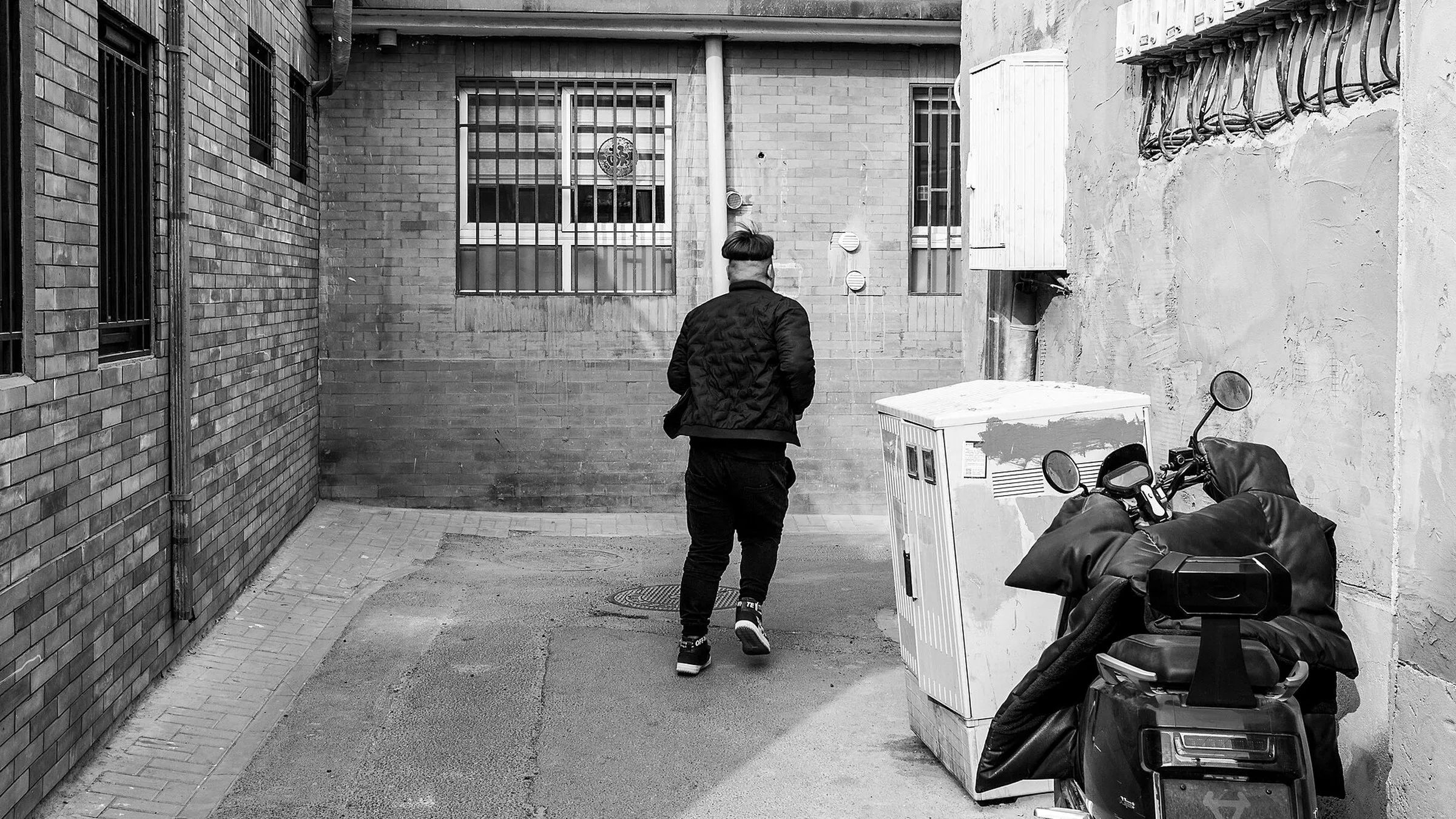
Beijing’s hutongs are among the most important pieces of urban heritage in the world. These narrow alleys — usually 6-9 meters wide, lined with traditional courtyard residences (四合院, sìhéyuàn) — form the residential fabric of old Beijing, the city that has served as China’s capital for over 700 years. Walking through a hutong today is a journey back in time: the architecture, the sounds (chess pieces clacking, children playing, the calls of dumpling sellers), and the social patterns are all recognizably centuries old. Yet the hutongs are not a museum — they are living neighborhoods, where 5+ million Beijingers still live their daily lives.
The word hutong (胡同, hútòng) comes from Mongolian — it originally meant “water well,” because the alleys were organized around public wells. The Mongols established this pattern in 1267 when they founded the Yuan dynasty capital Khanbaliq (modern Beijing). The Ming and Qing dynasties preserved and expanded the system, and by the early 20th century Beijing had over 6,000 named hutongs. Today, fewer than 1,300 remain.
This guide covers the history, the current state, the etiquette for visiting, the best hutongs to explore, and how to find the “real” hutong life (not just the tourist-trap version). If you only have 2 days in Beijing and need to compress the hutong experience into a layover, our 2-day Beijing layover itinerary builds a hutong rickshaw sunset slot into Day 1; for a fuller 3-day plan that adds the Forbidden City and the Great Wall, the first-time Beijing guide covers the wider context.
The 700-year history of Beijing’s hutongs
Yuan dynasty (1267-1368): Kublai Khan’s capital city was designed with a strict grid pattern of streets, with residential hutongs running east-west and main avenues running north-south. The city was organized around water wells — hence the Mongolian name. The hutongs were originally the spaces between larger buildings, defining residential blocks.
Ming dynasty (1368-1644): The capital was rebuilt after the Mongol expulsion, but the hutong pattern was preserved. The Ming expanded the city and added thousands more hutongs. The grid system became more refined, with primary hutongs (主胡同) running north-south every 50-60 meters, and secondary hutongs (次胡同) running east-west. The famous 鼓楼 (Drum Tower) and 钟楼 (Bell Tower) served as the timekeeping center for the entire city.
Qing dynasty (1644-1912): The hutong system reached its peak. Beijing had over 6,000 named hutongs, each with its own identity (some named after the families living there, some after the businesses, some after the gates or features). The hutong became a powerful social and commercial network — neighbors knew each other, businesses served regulars, and the alleys were extensions of family life.
Republican era (1912-1949): Western influence started to penetrate, but hutongs remained the dominant residential pattern. The wealthy moved to larger courtyard homes; the poor lived in subdivided units (大杂院, dàzáyuàn — “big messy courtyards”). Population density increased as Beijing became a modern city.
1949-1990: Mass housing construction began but the hutongs remained. Population pressure led to further subdivision. By 1990, the hutongs housed about 1/3 of Beijing’s population in conditions that were often substandard — shared toilets, no central heating in many areas, cramped quarters.
1990-2010: The demolition period: Rapid modernization led to the destruction of thousands of hutongs for high-rise construction. The old city walls were demolished in the 1960s, and from the 1990s onward, hutongs themselves were torn down for office buildings, shopping malls, and apartment complexes. The number dropped from 6,000+ to fewer than 2,000.
2010-present: The preservation era: International outcry and growing Chinese awareness of heritage value led to protective policies. Since 2017, Beijing has designated 33 hutong areas as cultural preservation zones (历史文化保护区), and demolition has slowed dramatically. Many hutongs have been renovated (electricity, plumbing, heating) while preserving the exterior architecture. The remaining hutongs now represent a fragile but recognized piece of world heritage.
What you see in a hutong: the architecture
The 四合院 (sìhéyuàn) — the courtyard home: The traditional hutong residence. Built around a central rectangular courtyard, with the main house facing south (for sunlight and to avoid the cold northern winds), the side wings on the east and west, and the service quarters in the back (north). The gates are typically painted red and have elaborate decorations — the number of steps, the design of the door gods, the number of studs on the door, and the height of the lintel all indicated the social rank of the family living inside. Today most courtyard homes have been subdivided into multiple family units.
The gate styles (四合院大门): The most distinctive visual feature of a hutong. There are several traditional styles:
- 广亮大门 (guǎngliàng dàmén) — the most formal, used by officials; full gate with two doors
- 金柱大门 (jīnzhù dàmén) — slightly less formal, used by mid-rank officials
- 蛮子门 (mánzi mén) — common for merchants, single-leaf door
- 如意门 (rúyì mén) — the most common in modern hutongs, simplified design
- 随墙门 (suíqiáng mén) — the simplest, a door in the wall with minimal decoration
When you walk through a hutong, count the gate styles. The mix tells you about the historical social composition of the neighborhood.
The grey brick and tiled roofs: Almost all hutong buildings share this aesthetic — grey brick walls, grey tile roofs, occasional red gates. The visual uniformity is part of the charm.
The trees: Most hutongs have a few mature trees, often Chinese scholar trees (国槐, guóhuái) or date trees (枣树, zǎoshù). The trees are older than most of the buildings — some date to the Ming dynasty.
The 6 best hutong areas to visit
1. 南锣鼓巷 (Nánluógǔ Xiàng) — the most famous (and most touristy). A 786-meter north-south hutong that connects 什刹海 Shichahai to 雍和宫 Lama Temple. Eight smaller side hutongs branch off east and west. The good: easy access, English menus, lots of cafes and shops, the architectural experience is intact. The bad: extremely touristy, especially on weekends; many of the traditional residences have been converted to commercial use; food and drink prices are inflated. Best for: first-time visitors, anyone who wants the “hutong experience” without effort. Avoid: weekends from 11 AM-5 PM (packed).
2. 什刹海 (Shíchà Hǎi) — the lakeside area. A lake (actually three connected lakes) with hutongs surrounding it. Includes 烟袋斜街 (Yāndài Xiéjiē, “Pipe Tobacco Diagonal Street”) and 后海 (Hòu Hǎi, “Back Sea”). The good: a mix of tourist and local life, beautiful lakeside views, traditional boat rides in summer, bars and restaurants, the night market atmosphere. The bad: can be crowded in the evening, the bars are touristy, the “old Beijing” feel is somewhat staged. Best for: sunset/evening visits, anyone who wants to combine hutong exploration with a meal or drink. Best time: late afternoon to evening for the night market effect.
3. 方家胡同 (Fāngjiā Hútòng) — the trendy/artistic one. A 900-meter hutong in the 东城区 Dongcheng District. Has become a hub for cafes, art galleries, indie shops, and creative businesses. The good: still feels like a real neighborhood, with traditional residences mixed with creative businesses, less crowded than 南锣鼓巷. The bad: less “old Beijing” atmosphere, more “modern Beijing creative class”. Best for: anyone interested in Beijing’s contemporary culture scene, repeat visitors. Best time: weekday mornings or late afternoons.
4. 帽儿胡同 (Mào’er Hútòng) — the most authentic. A 585-meter hutong near 什刹海. Famous for being the residence of several historical figures (文煜 Wén Yù in the Qing dynasty, 北洋军阀 Beiyang warlords in the Republic era). Still mostly residential. The good: the most “real” hutong in the central area, with traditional residents still living in many of the courtyards. The bad: less convenient access, fewer cafes/shops to stop in, you need to walk the full length to see the best parts. Best for: anyone who wants to see hutong life, not just hutong architecture. Best time: weekday mornings.
5. 五道营 (Wǔdào Yǐng) — the boutique one. A 600-meter east-west hutong between 雍和宫 Lama Temple and 安定门 Andingmen. Has become a boutique shopping street with small independent shops, tea houses, and cafes. The good: still feels quieter than 南锣鼓巷, the architecture is well-preserved, the shops are interesting. The bad: expensive, the boutique nature has made it less “real” over time. Best for: shoppers, anyone looking for unique Beijing souvenirs. Best time: weekday afternoons.
6. 大栅栏 / 前门 (Dàzhàlán / Qiánmén) — the commercial heart. A historic commercial district in southern central Beijing, with hutongs and traditional shops. Less a “hutong exploration” and more a “historic shopping street” experience. Includes 瑞蚨祥 (Ruìfúxiáng, the famous silk shop, since 1862) and 内联升 (Nèiliánshēng, the famous cloth shoe maker, since 1853). Best for: shopping for traditional Chinese goods (silk, tea, cloth shoes, traditional snacks), a more “old commercial Beijing” experience.
How to walk the hutongs
Self-guided walking: Free and the most flexible option. Use Baidu Maps (the Chinese Google Maps equivalent — Google Maps is unreliable in China) to navigate. Walk into the smaller side hutongs off the main streets to escape the tourist crowds.
Rickshaw tours: The traditional hutong tour option. Drivers (often English-speaking) take you through the hutongs in a decorated pedicab, providing historical commentary. For pricing, scam-avoidance tips, and the best stand to start from, see our Beijing hutong rickshaw guide. ¥150-300 per hour depending on the route and language. Tips: agree on the price before starting, confirm the route (some drivers go to shopping commission stops), don’t accept unsolicited drivers — go to an official rickshaw stand.
Walking tours: Many tour operators offer guided hutong walks, typically ¥200-500 per person. These are led by historians or local residents who provide cultural context you won’t get on your own. Trip.com and Airbnb Experiences both offer these.
E-bike tours: A newer option. Some operators offer small-group e-bike tours that cover more ground than walking. ¥300-500 per person.
The etiquette: 8 rules for being a good hutong guest
- Don’t enter private courtyards uninvited. The siheyuan are private homes, even if the gates are open. Look from the street.
- Don’t photograph residents up close. Wide shots of hutong life are fine; close-ups of people’s faces require permission.
- Don’t lean on walls or sit on doorsteps. These are residents’ property.
- Don’t make loud noise. Hutongs are quiet residential areas. Speak softly.
- Don’t take shortcuts through private alleys (死胡同, sǐ hútòng). The maze-like structure is part of the experience; respect it.
- Buy something if you use a cafe or shop — these are businesses, not just photo props.
- Carry your trash — most hutongs have minimal public trash bins. Take your tissues, water bottles, etc. with you.
- If a local invites you in, accept graciously — this is a rare honor and shouldn’t be turned down.
How to experience the “real” hutong life
The hardest part of the hutong experience is finding authenticity. Most visitors see only the commercialized versions. To see the real thing:
1. Walk the side alleys. The main hutongs (like 南锣鼓巷) are commercial. The smaller side hutongs branching off (most of them unnamed) are still residential. Within 50-100 meters of any tourist hutong, you’ll find pure residential life.
2. Visit during weekday mornings. The most authentic time. The tour buses haven’t arrived, the shops aren’t busy, the residents are doing laundry, exercising, and buying vegetables. The sounds of real life are audible.
3. Buy breakfast from a street vendor. The small 早餐 (breakfast) stalls in hutongs serve 包子 (baozi), 油条 (youtiao), 豆浆 (soy milk), and 豆腐脑 (tofu pudding). A complete breakfast for ¥8-15. This is the most local way to start a hutong day. For a deeper culinary take that builds the 3-hour walk around 8 specific food stops, see our Beijing hutong food tour.
4. Visit a 公共厕所 (gōnggòng cèsuǒ, public toilet). Not glamorous, but the public toilets (often a single room for an entire alley) are an iconic part of hutong life. They’re not for the squeamish, but they’re a real part of the experience.
5. Chat with residents if you speak Mandarin. The hutong residents are often elderly Beijing natives who have lived there for 50+ years. They love to talk about the neighborhood’s history and their own lives. Bring some basic Mandarin phrases.
6. Stay until after sunset. The hutongs take on a completely different atmosphere at night, especially around 什刹海. The lanterns come on, the bars get going, the night markets open. The combination of historic architecture and modern nightlife is unique.
The disappearing hutong problem
It’s impossible to talk about Beijing’s hutongs without acknowledging that they’re disappearing. From 6,000+ named hutongs in the early 20th century to fewer than 1,300 today, the destruction has been massive. The drivers are:
- Modernization: high-rise development is more profitable than preservation
- Population pressure: Beijing’s population grew from 1 million in 1949 to 21+ million today
- Infrastructure: most original hutongs lack modern plumbing, central heating, and adequate electrical systems
- Earthquakes: the 1976 Tangshan earthquake damaged many old structures
- Cultural Revolution: many historic sites were damaged or destroyed in the 1960s-70s
The current policy direction (since 2017) is to preserve what remains, with renovations that add modern infrastructure while keeping the exterior architecture. This is a partial success — the most central hutongs are now protected, but many in the outer districts have been replaced.
As a visitor, you contribute to preservation by visiting — hutong tourism creates economic incentive for preservation. Just be a respectful guest, not a noisy one.
The one thing every visitor should know
A hutong is not a museum exhibit. It’s a living neighborhood where real people have lived for centuries. The old man playing chess on a stool, the woman hanging laundry, the children running through the alley — these are not “performances for tourists” but real life. Walk quietly, observe respectfully, and you’ll see something most tourists miss: a glimpse of how Chinese urban life has worked for 700 years.
That, more than any gate style or historical site, is the real magic of Beijing’s hutongs.
Plan your trip — verified tools
These free tools are built on real, monthly-verified data and help you skip the trial-and-error phase of China trip planning:
- China 240-Hour Visa-Free Transit Checker — 57 countries, 24 provinces, 65 ports. See if you qualify for 10-day visa-free transit, which cities you can visit, and the 5-step process.
- China 6-City 5-Day Budget Calculator — Real 2026 prices for 5 days in Beijing, Shanghai, Guangzhou, Chengdu, Xi’an, or Hangzhou. Budget / mid-range / comfort tiers, broken down line by line.
Verified August 2026 by TravelHubChina Editorial. We re-check prices and policy details monthly so the data doesn’t drift.
Step by step
-
Pick 3-4 hutongs based on your interest
Choose from Mao'er Hutong (most authentic residential), Shijia Hutong (with a free museum at No. 24), Fangjia Hutong (art galleries and creative shops at No. 46), Wudaoying (boutique), or Shichahai (lakeside loop). All are in Dongcheng/Xicheng districts, within walking distance.
-
Visit on a weekday morning for authenticity
Arrive between 8-10 AM on a Tuesday, Wednesday, or Thursday. The tour buses have not arrived, residents are doing laundry and buying vegetables, and the morning sounds (chess pieces, children, dumpling sellers) are authentic. Avoid weekends 11 AM-5 PM at Nanluoguxiang.
-
Walk the side alleys, not just the main hutong
Within 50-100 meters of any tourist hutong, the side alleys are still residential. Follow your curiosity off the main path - that is where you see real hutong life, not commercialized shops. Note the gate style at each entrance so you can find your way back.
-
Bring Baidu Maps, water, and comfortable shoes
Download Baidu Maps for navigation (Google Maps is unreliable in China). The hutongs involve 2-3 hours of walking on uneven stone and brick surfaces. Carry water; most hutongs have minimal public trash bins.
FAQ
-
What is a hutong in Beijing?
A hutong is a narrow alley, typically 6-9 meters wide, lined with traditional courtyard residences (四合院, sihéyuàn). The word comes from Mongolian (originally meaning 'water well'). Hutongs are the residential fabric of old Beijing — where ordinary Beijingers have lived for 700+ years. Today they represent the city's living history. -
How many hutongs are left in Beijing?
Approximately 1000-1300 hutongs remain, down from 6000+ in the early 20th century. The 1990s and 2000s saw massive demolition for modernization. Since 2017, Beijing has implemented protection policies for the remaining hutongs, slowing the destruction. Several areas are now UNESCO-recognized cultural heritage. -
Are hutongs safe to walk through?
Yes, very safe. Hutongs are normal residential neighborhoods with normal foot traffic. The main streets are well-paved, the side alleys are accessible but can be narrow. Most hutongs are patrolled by local security. The main concern is getting lost (the alleys are maze-like) — but locals are friendly and will help you find your way. -
Can I enter a hutong courtyard home?
Generally no, as they're private residences. Some hutongs have specific preserved courtyards open to visitors (e.g., 梅兰芳纪念馆 Mei Lanfang Memorial in 护国寺街 Huguosi Street). A few tourist-oriented hutongs (like 南锣鼓巷 Nanluoguxiang) have cafes and shops in converted courtyards — those are open during business hours. Otherwise, walk the alleys, look at the gates, observe life from the street. -
What's the difference between 南锣鼓巷 and 什刹海?
南锣鼓巷 Nanluoguxiang is the most touristy hutong — fully commercialized with cafes, souvenir shops, and snack stalls. Good for first-time visitors but lacks authenticity. 什刹海 Shichahai is a lake area surrounded by hutongs — a mix of tourist and local life, with bars, restaurants, and a more relaxed atmosphere. For first-time visitors, Nanluoguxiang; for repeat visitors, Shichahai. -
How long should I spend in the hutongs?
Plan 2-3 hours for a meaningful hutong experience. A quick walk-through takes 45 minutes, but to absorb the atmosphere, sit at a courtyard cafe, and observe daily life, give yourself a half-day. The best pace is unhurried. -
Are the hutongs touristy?
Some are, some aren't. 南锣鼓巷 and 烟袋斜街 are the most touristy (essentially outdoor malls). 方家胡同, 帽儿胡同, and the side alleys off 什刹海 are much more authentic. The deeper you go into any hutong neighborhood, the more local it gets — within 3-4 alleys you're in pure residential life. -
Can I live in a hutong as a foreigner?
Yes, hutong rentals exist but come with challenges. Many older siheyuan (courtyard homes) have been subdivided into small units, and the shared public toilets (one per alley) are a major lifestyle adjustment. Modernized siheyuan with private bathrooms rent for ¥8,000-20,000/month in central locations. There are also hutong hotels and boutique B&Bs that give a hutong experience without the commitment.
Related guides
- Culture & Practical
10 Best Beijing Hutongs to Visit (Beyond the Tourist Traps)
Beyond the crowded Nanluoguxiang: 10 specific hutongs worth visiting, from the most authentic residential alleys to the most photogenic, with what makes each one unique, exact addresses, how to get there, and when to visit. Includes a printable walking map.
9min read
- Culture & Practical
Beijing Hutong Rickshaw Tour: The Complete Guide (2026)
Everything you need to know about Beijing's hutong rickshaw tours: the history of the rickshaw, the 3 main rickshaw stands, how to negotiate a fair price (¥150-300/hour), the 4 most popular routes, what the rickshaw driver typically explains, how to avoid the commission-shop scams, and whether to do a self-walk or rickshaw tour.
7min read
- Culture & Practical
11 Cultural Mistakes Foreigners Make in China (And How to Avoid Them)
The 2026 etiquette guide for foreigners in China: 11 cultural mistakes that cause offense, awkwardness, or worse — and exactly what to do instead. Covers tipping (don't), chopsticks (don't stick them in rice), gift-giving (red envelope etiquette), loud phone calls, queueing, gift color symbolism, and the 茶 ceremony scam. Plus regional and generational differences.
9min read
- Culture & Practical
China Travel Etiquette: 15 Things to Get Right
The 15 most important Chinese etiquette rules: tipping, queueing, gift-giving, tea ceremony, chopstick taboos, and the small mistakes that cause real offense. Plus the 2025-2026 'China Travel' cultural shift.
9min read
- Culture & Practical
Lingyin Temple + Feilai Peak: The Complete Guide (2026)
Lingyin Temple (灵隐寺) is the largest Buddhist temple in Hangzhou, founded 326 AD, with the Feilai Peak grottoes containing 1,000+ stone Buddhas. Tickets, transport, what to see, and how to combine with Flying Peak and Yongfu Temple.
8min read
- Culture & Practical
Is It Safe to Travel to China in 2026? The Complete Foreigner's Safety Guide
Comprehensive 2026 safety guide for China travel: crime statistics, region-specific risks, scams targeting foreigners, US State Department advisory, LGBTQ+ safety, female solo travel, health and medical care, embassy registration, and 5-step arrival safety checklist. Plus: is it safe to travel to China right now in 2026 (yes, with normal precautions).
12min read