How to use this guide
Most "cultural mistakes" visitors worry about are minor; the ones that cost time are procedural. Tipping expectations, queueing, how a bill is split, and which scams target arriving travellers are all predictable once someone names them. This hub collects the practical etiquette guides alongside the language and phrase material that makes them usable.
Read the arrival-day guides first if it is your first trip: airport approaches, payment for small services, and the situations where a misunderstanding is most likely. The deeper culture guides are there for when you have the basics handled.
What is the immediate question?
| If you are… | Start with | Why |
|---|---|---|
| First day, unfamiliar customs | Etiquette and tipping guides | These cover the interactions that happen before you have time to look anything up. |
| Worried about being overcharged | Common-scam and language guides | Naming the pattern is more useful than a list of places to avoid. |
| Trying to communicate a specific need | Phrase and rescue-card pages | A written phrase works when a translation app does not. |
Start here
The most recently updated practical guides are here; the sections below group the rest by subtopic.
- 01 20 Basic Chinese Phrases for China Travel (with Audio)
20 basic Chinese phrases with pinyin and tone marks, by situation. Start with 你好, 谢谢, 多少钱, 厕所在哪里, 我不会说中文 — tones matter but locals forgive mistakes.
- 02 Is Beijing Safe for Tourists in 2026? A District Guide
One of the world's safest capitals, but it varies by district. Which are safe at 2am, the 5 Beijing scams, and getting around safely.
- 03 Is Guangzhou Safe for Tourists in 2026? A District Guide
Guangzhou is one of China's safest Tier-1 cities, but the profile differs from Beijing and Shanghai. Which districts are safe at 2am and the 4 local scams.
Build a custom itinerary for any China city in 30 seconds
Pick your city, days, pace, and must-visit attractions. Get a day-by-day plan with timings, transport, and lunch spots — no signup, no email required.
Beijing

Is Beijing Safe for Tourists in 2026? A District Guide
One of the world's safest capitals, but it varies by district. Which are safe at 2am, the 5 Beijing scams, and getting around safely.
5 min · Sep 2026
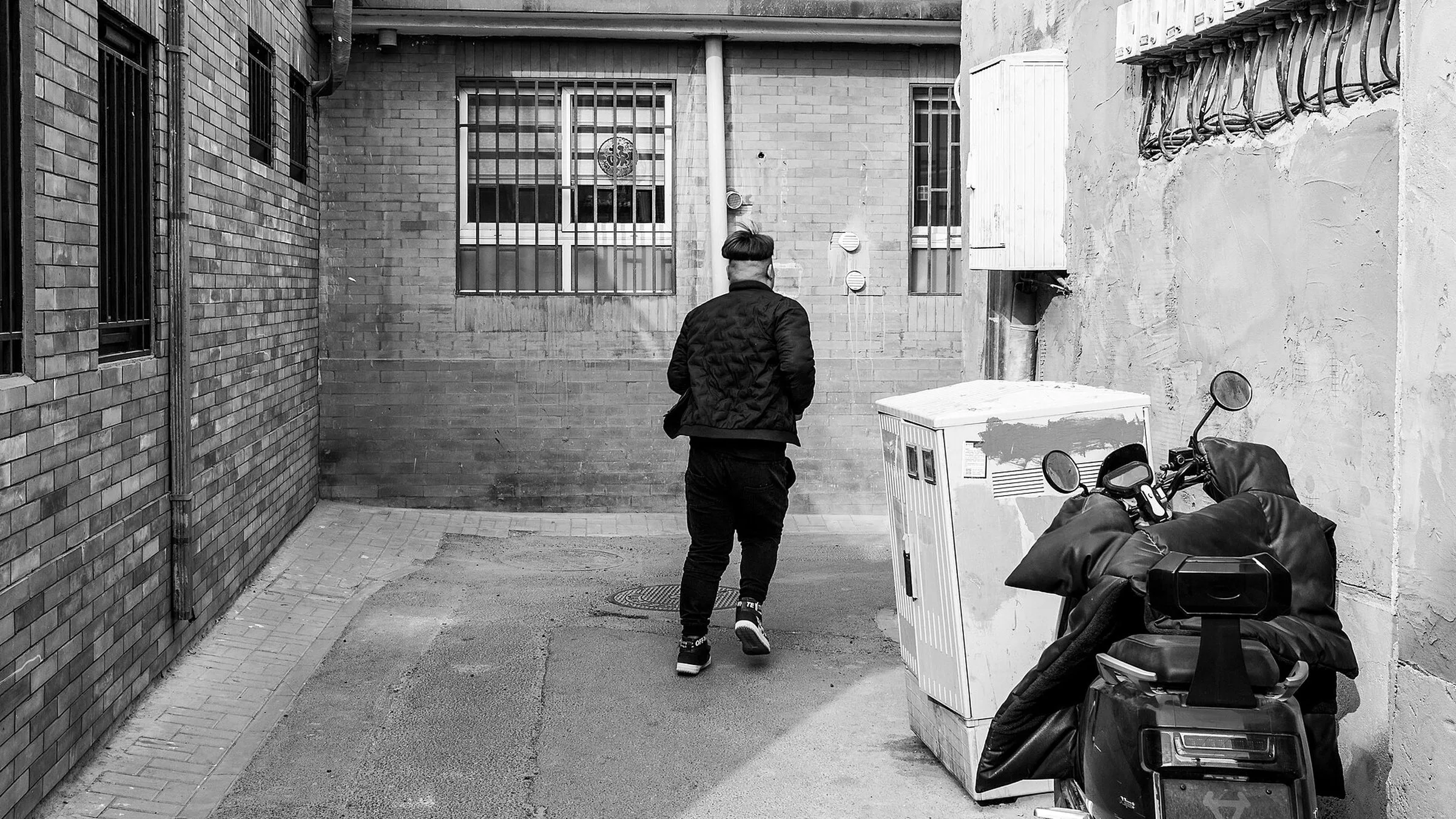
Beijing Hutongs: History, Map and How to Visit
Peking's hutongs date to the Yuan dynasty (1267); only 1,000 of 6,000 survive. Start at Fangjia or Shichahai rather than crowded Nanluoguxiang.
8 min · Aug 2026
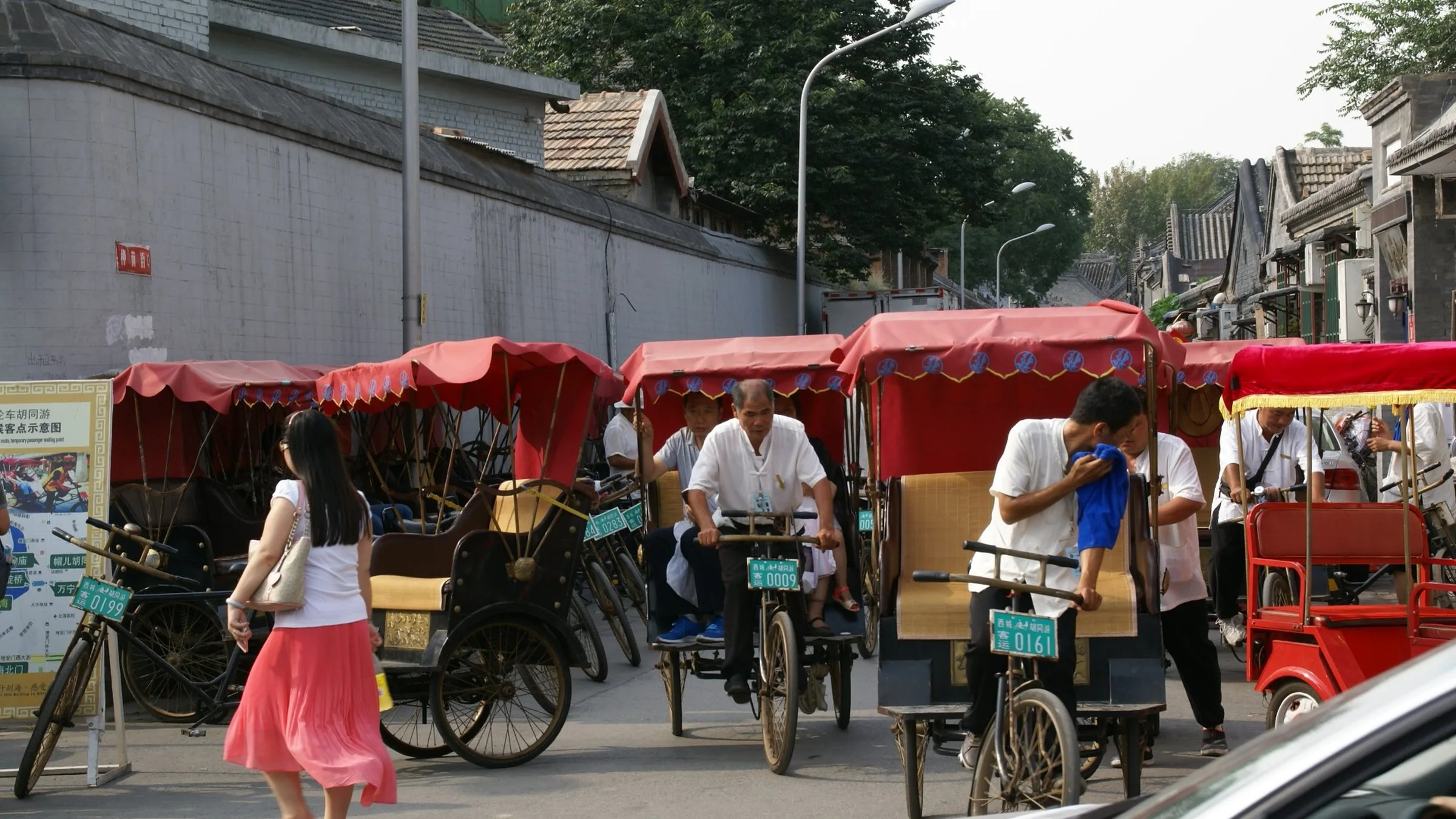
Beijing Hutong Rickshaw Tour: The Complete Guide
Hutong rickshaw tours in Beijing: history, the 3 official stands, negotiating a fair ¥150-300 (US$21–42) hourly price, and the 4 common scams.
7 min · Aug 2026
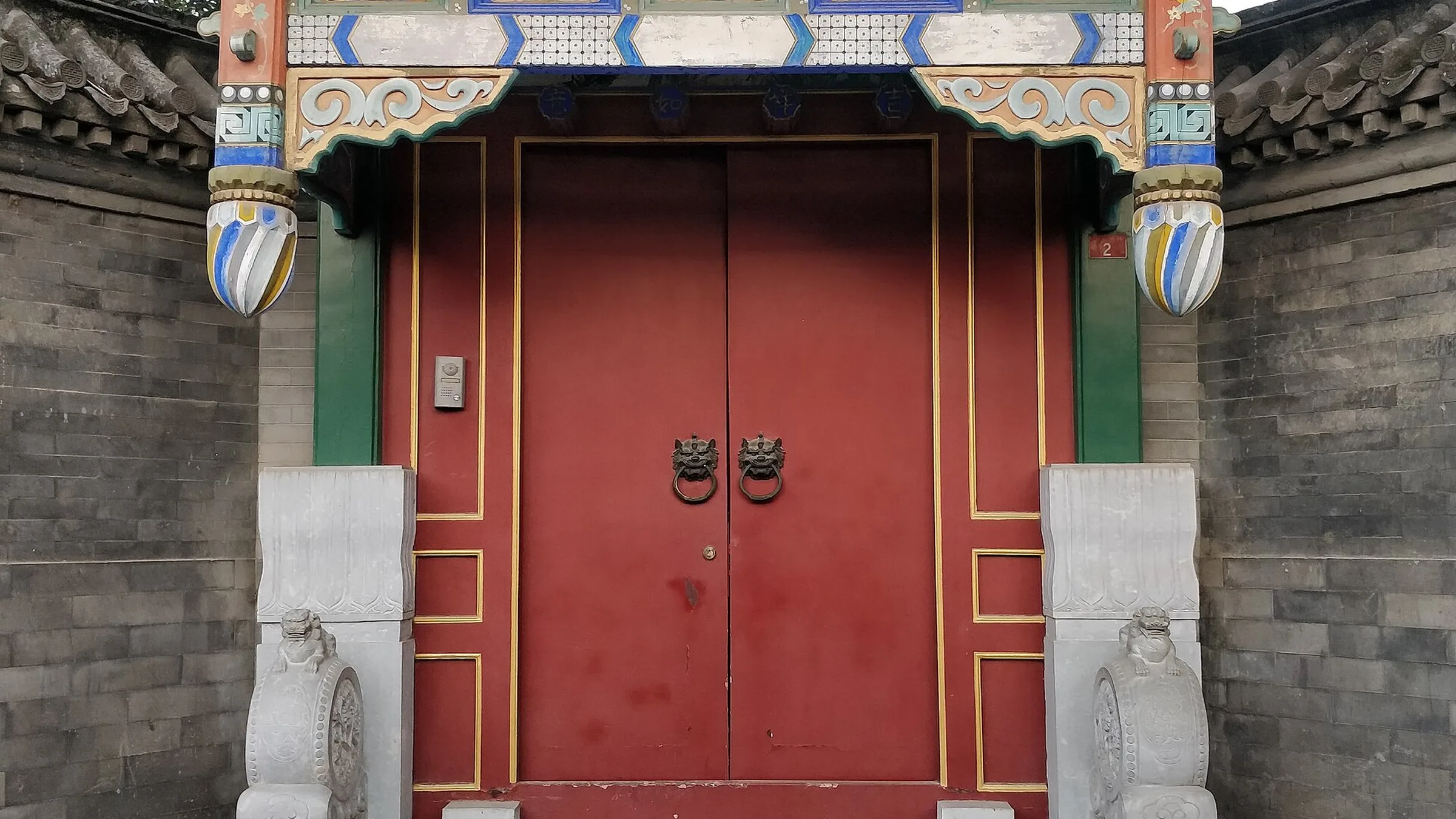
Top 10 Beijing Tourist Attractions: Best Hutongs Beyond the Traps
Top tourist attractions in Beijing beyond the tourist traps: skip Nanluoguxiang, try Maoer for authenticity, Fangjia for art and Jiuwan for maze-like lanes.
9 min · Aug 2026
China Business

China Etiquette
China Minority
China Unesco
Chinamaxxing
Christian
Chunxi Road
Etiquette

Guangzhou

Harbin
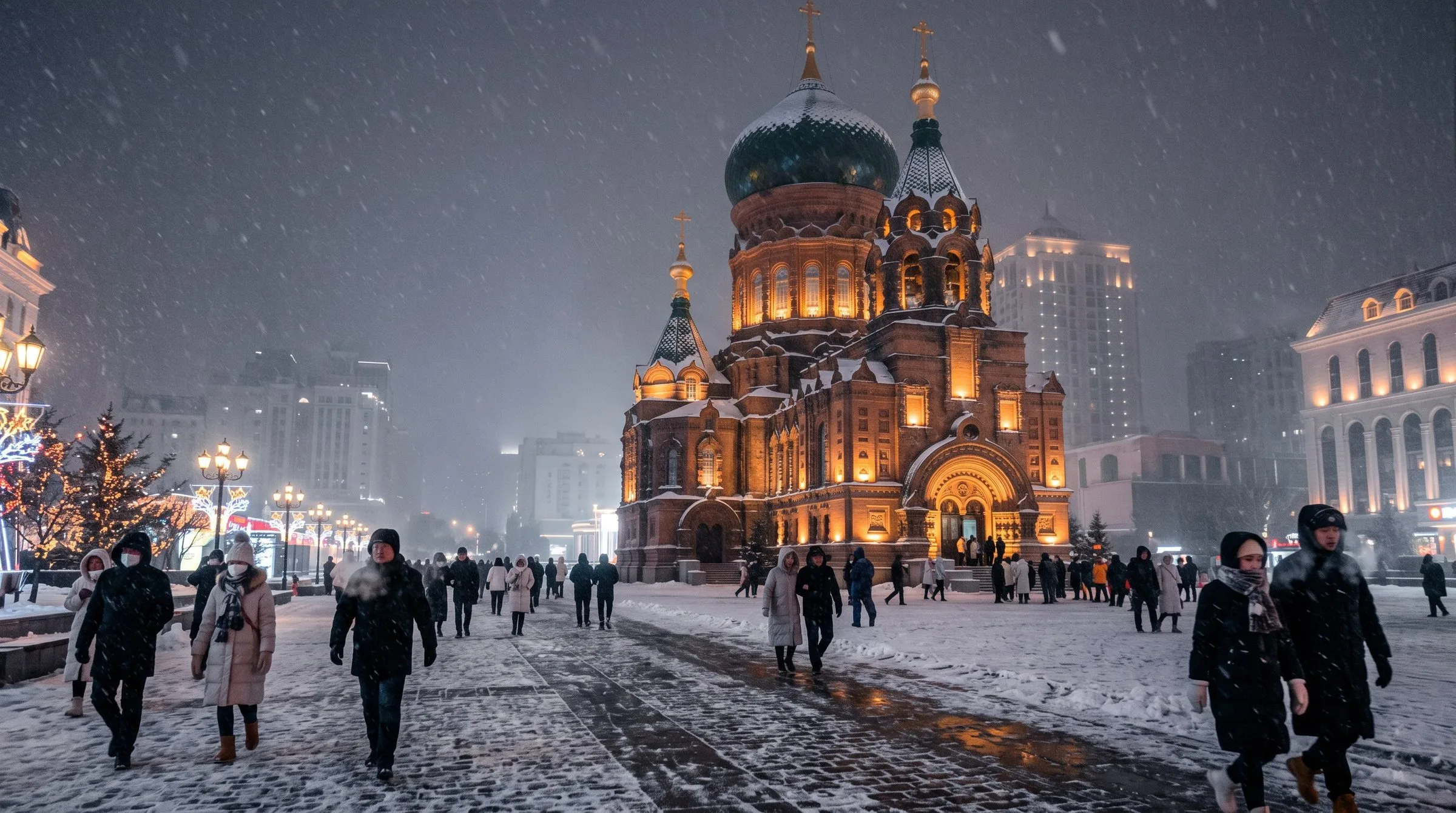
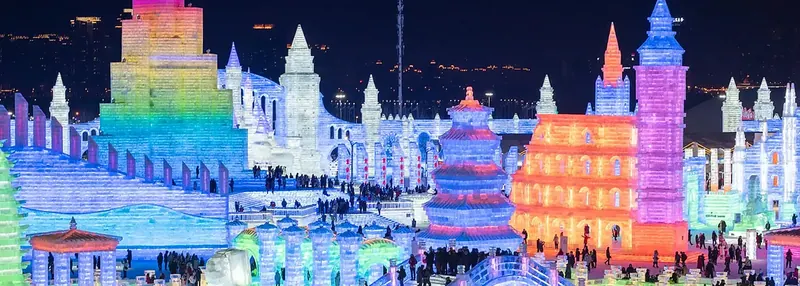
Harbin Winter Guide 2026: Ice Festival & Snow Town
Harbin winter guide for first-timers: the Ice and Snow Festival, staying warm at -30°C, Yabuli ski resort and a China Snow Town day trip.
5 min · Aug 2026
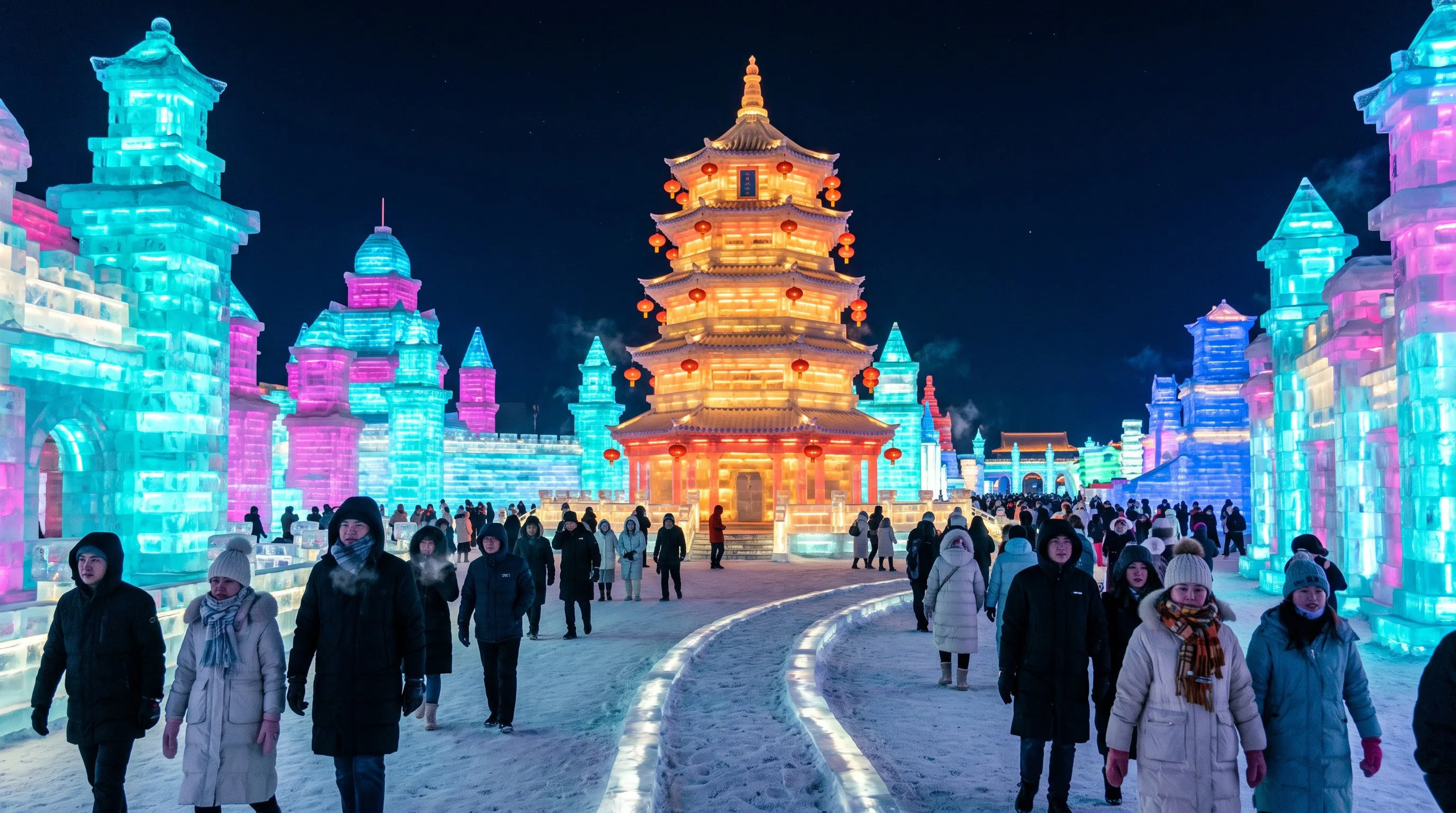
Harbin Ice and Snow Festival 2026: Dates & Tickets
Complete guide to the 2026-27 Harbin Ice and Snow Festival: dates, ticket prices (¥300 Ice and Snow World, ¥240 Sun Island), what to see and where to stay.
5 min · Aug 2026
Hefang Street
Hohhot
Lgbtq
Lhasa
Lingyin
Luoyang
Mandarin
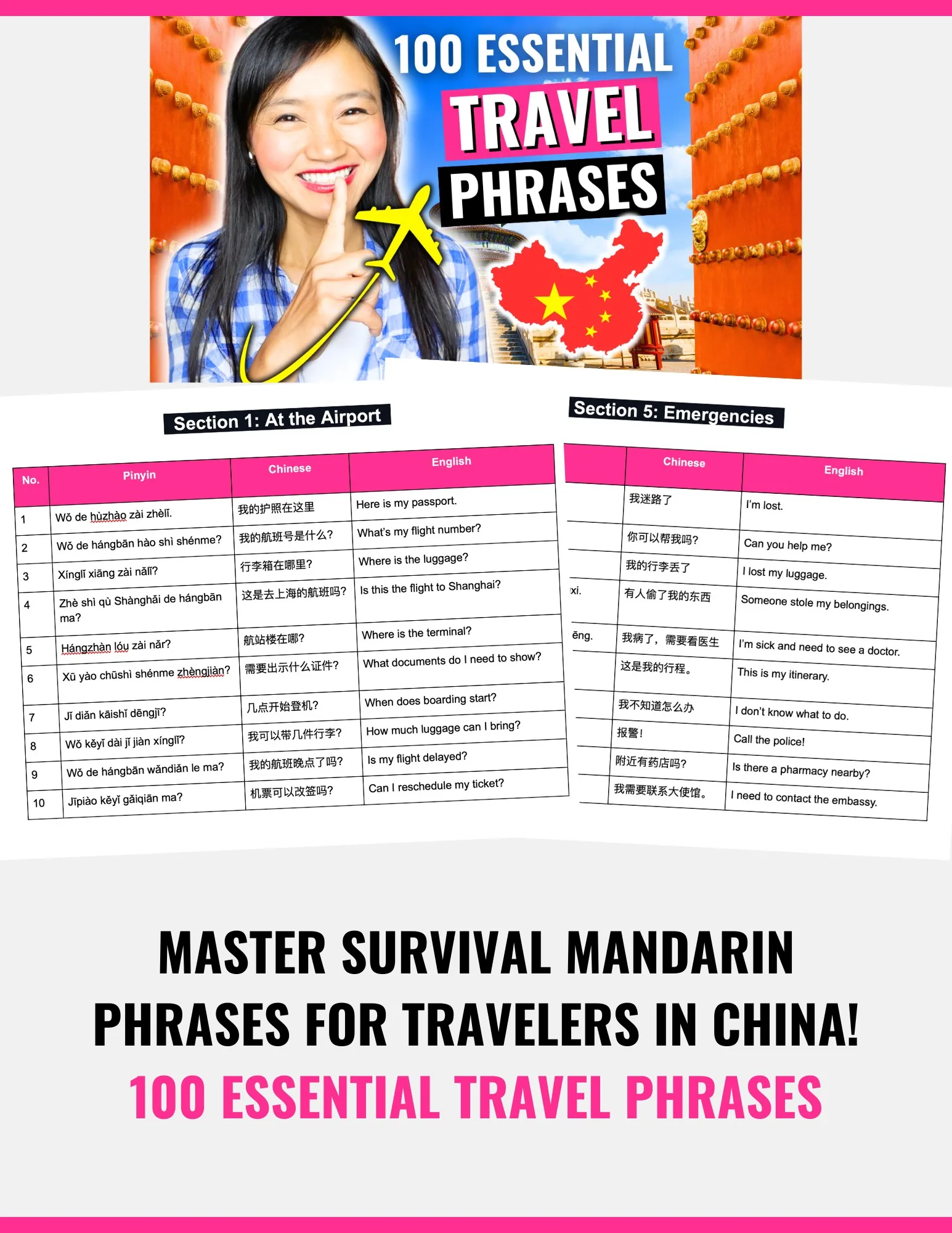
20 Basic Chinese Phrases for China Travel (with Audio)
20 basic Chinese phrases with pinyin and tone marks, by situation. Start with 你好, 谢谢, 多少钱, 厕所在哪里, 我不会说中文 — tones matter but locals forgive mistakes.
7 min · Oct 2026
50 Chinese Phrases Every Traveler Needs (2026)
The 2026 essential Chinese phrasebook: 50 phrases covering greetings, food, transit, hotels, shopping, emergencies and small talk, with pinyin and tones.
8 min · Aug 2026
Muslim
Nanjing
Peoples Park
Pingyao
Safety
Scams
Senior
Shanghai

Shenzhen

Suzhou
Tcm
Tipping
Xining
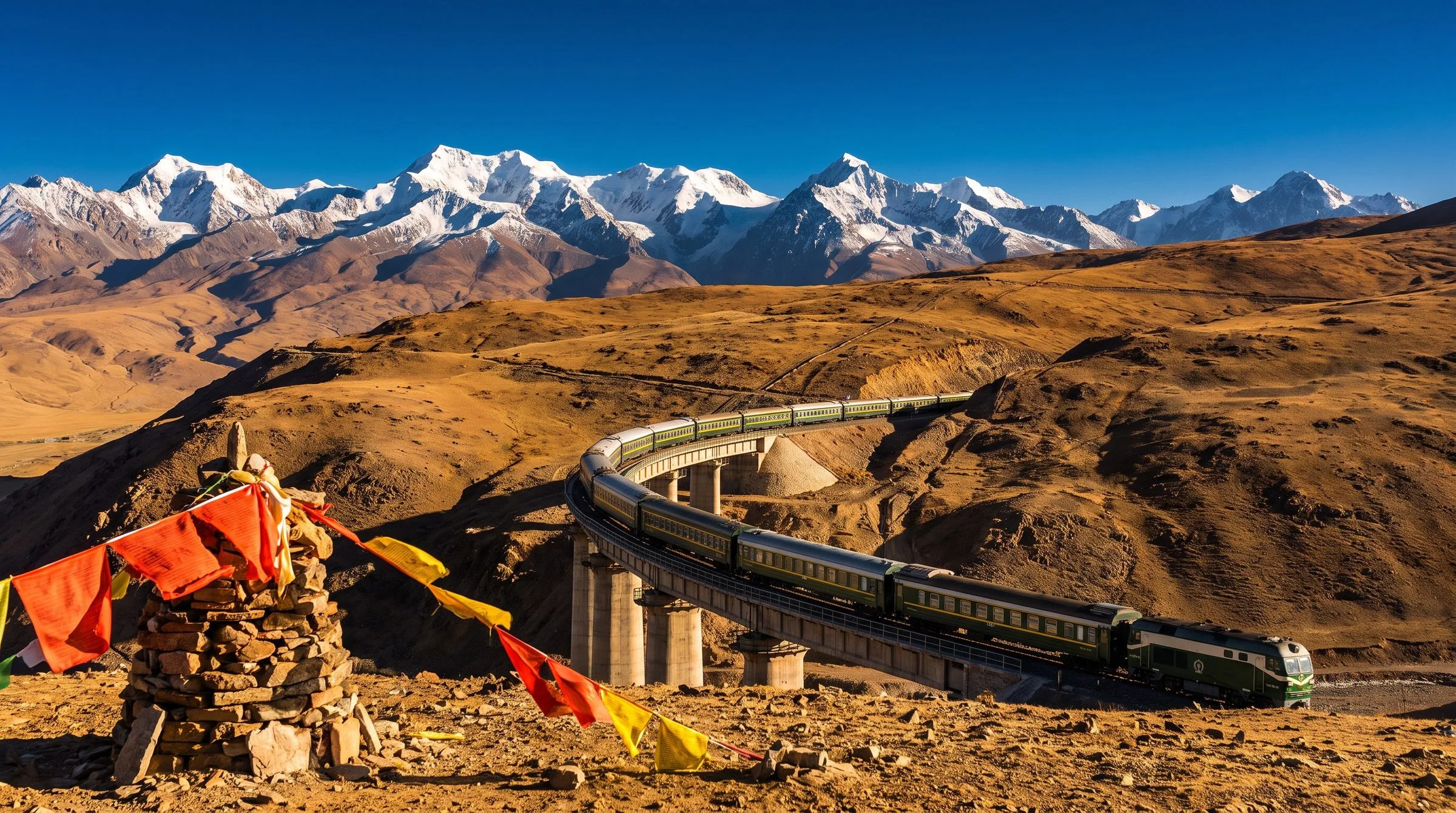
Xinjiang
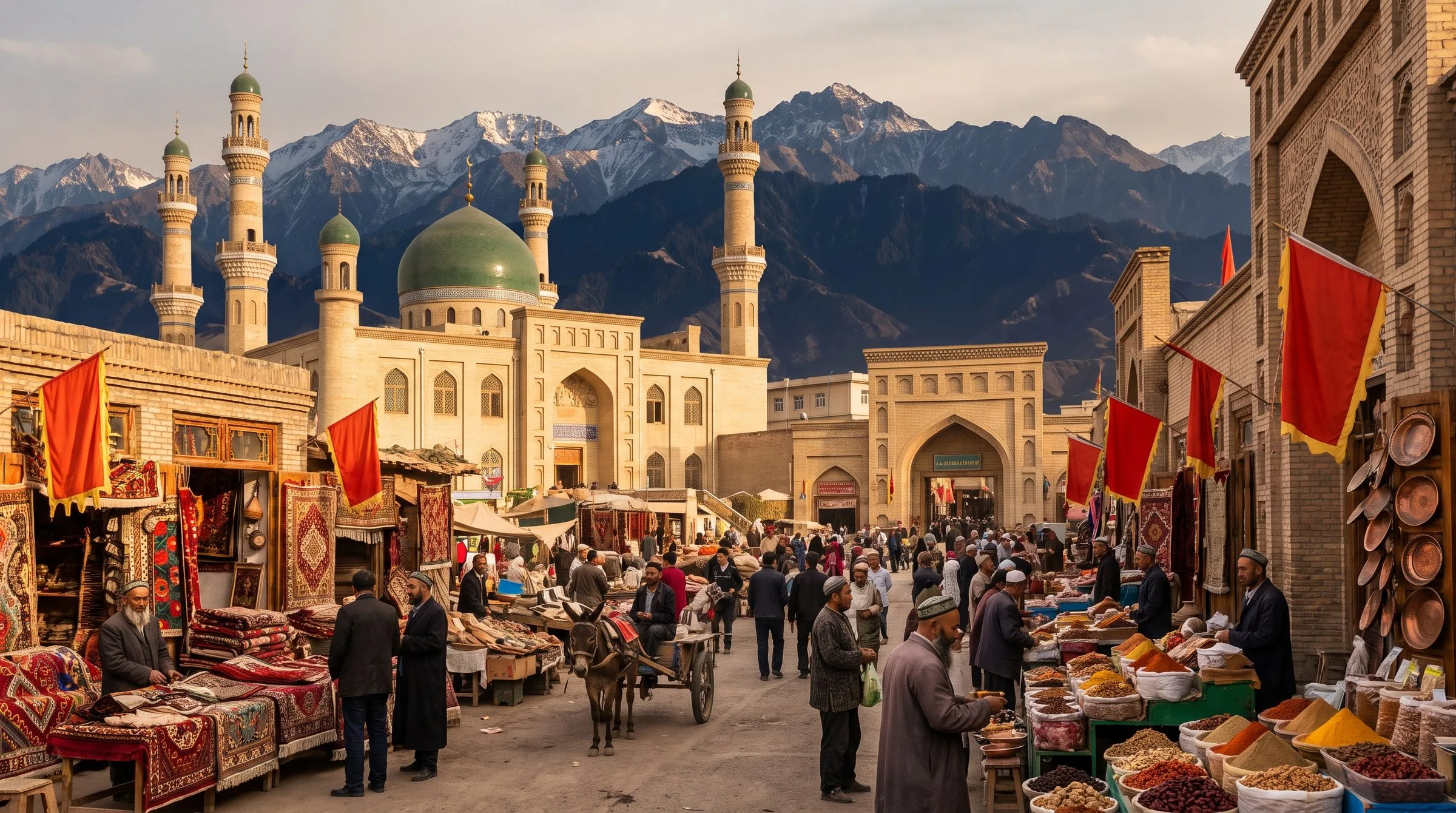
Compare & Decide
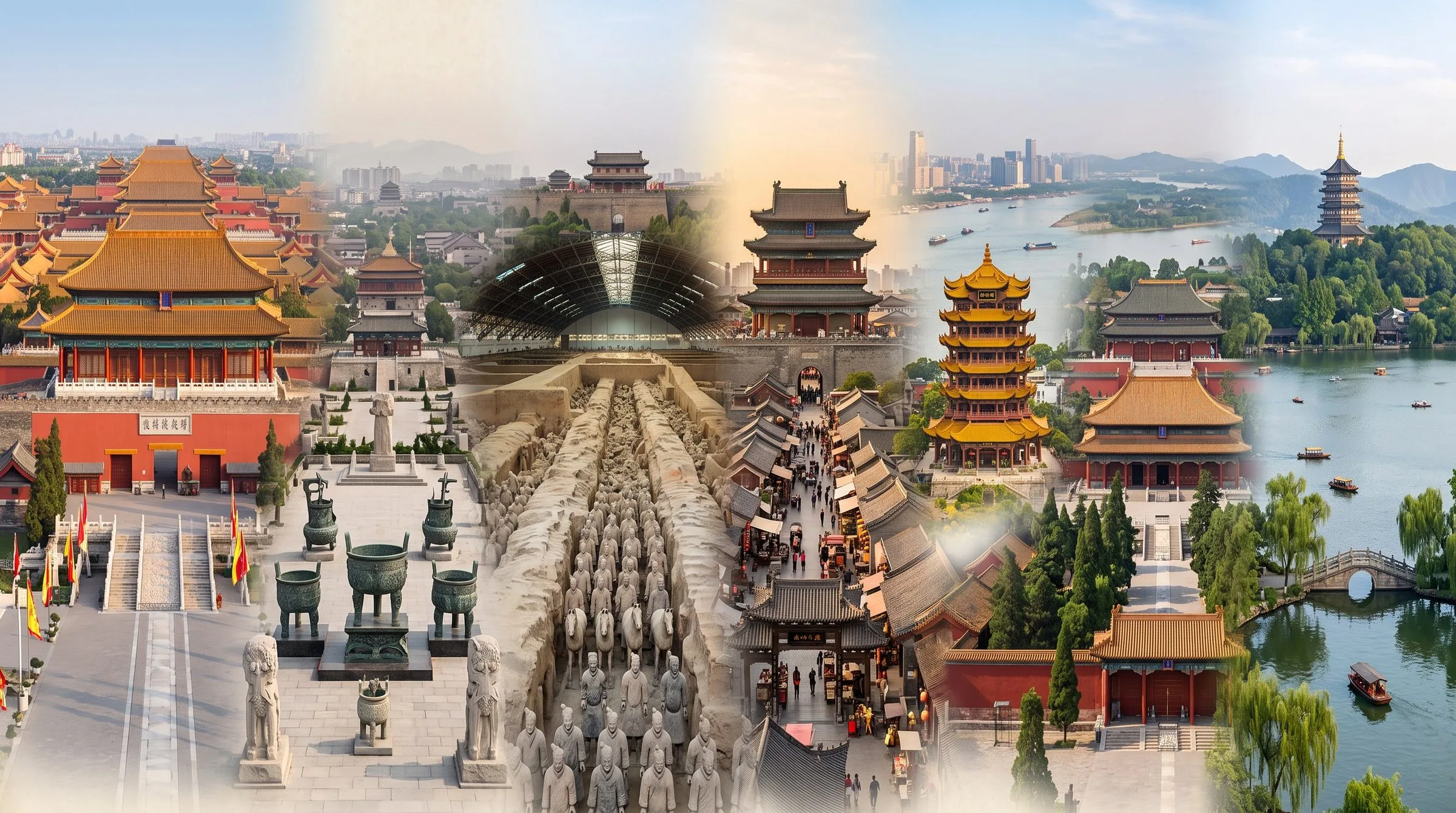
China's Historic Capitals 2026: Beijing, Xi'an, Nanjing
Beijing (Ming/Qing) first, Xi'an (Tang) second, Nanjing (Six Dynasties) third — a comparison of China's 5 great historic capitals.
5 min · Aug 2026
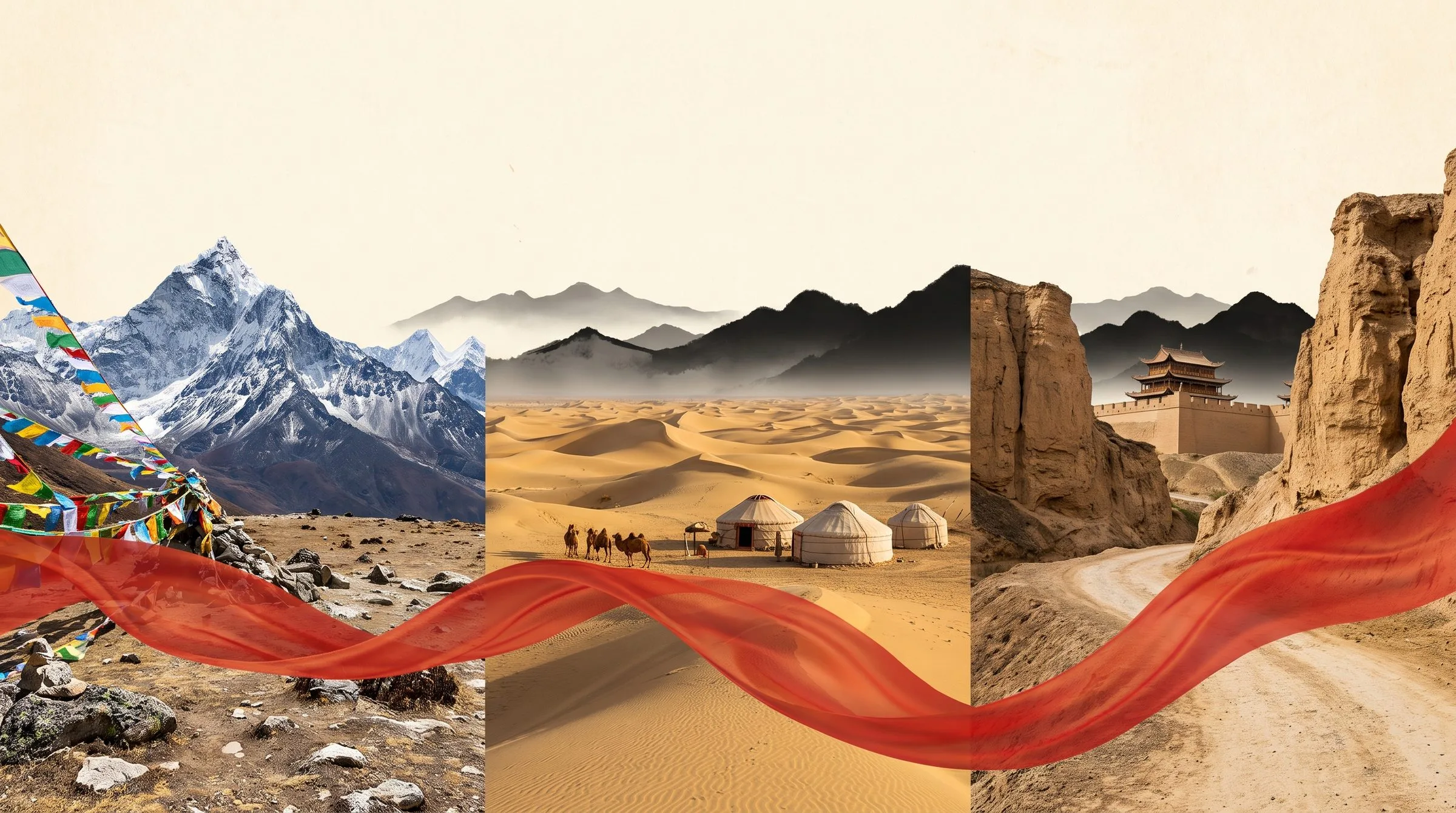
China Western Regions 2026: Tibet, Xinjiang, Qinghai, Yunnan
China's 4 western regions compared: Tibet (altitude monasteries, hard permits), Xinjiang, Qinghai and Yunnan, with costs and access for first-timers.
5 min · Aug 2026
Frequently Asked Questions
-
Do I tip in China?
No. Tipping is not customary and can even be considered insulting. Restaurants, taxis, hotels, and tour guides do not expect tips. The only exception is high-end international hotels and private tour guides. See /articles/china-travel-etiquette/. -
Is China safe for tourists?
Yes. China is one of the safest countries for tourists, with extremely low violent crime. Watch for petty scams at tourist sites (overpriced tea ceremonies, fake monks, rigged taxi meters). Petty theft is rare. See /articles/china-common-scams-tourists/. -
What should I NOT do in China?
Don't discuss Tibet, Taiwan, Xinjiang, Tiananmen 1989, or Xi Jinping in public or online. Don't photograph military or police. Don't bring VPN books. Don't tip (it's seen as confusing). Don't expect critical content on Google/YouTube/Facebook. See /articles/china-travel-etiquette/. -
What scams should I avoid in China?
Top 5: (1) Art student tea ceremony scam near Beijing's Wangfujing, (2) rigged taxi meters at airports, (3) fake monks asking for donations, (4) overpriced souvenir shops in tourist areas, (5) "closed" attractions that redirect to expensive tour operators. See /articles/china-common-scams-tourists/. -
How do I say basic phrases in Chinese?
Learn: 你好 (hello), 谢谢 (thank you), 对不起 (sorry), 多少钱? (how much?), 我要这个 (I want this), 买单 (check please). Pleco app has audio for every phrase. See /articles/china-essential-phrases-20/.