Hangzhou Food Guide: 10 Dishes to Eat
Hangzhou food guide: 10 dishes, 2026 prices and where to eat — Dongpo pork, West Lake vinegar fish, Longjing shrimp, beggar's chicken and Kuiyuanguan noodles.
Hangzhou is the one Chinese city where the food and the scenery are the same subject. The lake supplies the fish, the hills behind it supply the tea and the bamboo shoots, and the cooking that grew up around them was formalised by the Southern Song court when it moved here in 1138. The result is the most literary cuisine in China — dishes named after poets, a fish with a legend attached, and a tea so tied to the city that it turns up in a stir-fry.
It is also the mildest food in the country alongside Cantonese: no chilli, very little heat, and a preference for sweetness that surprises visitors expecting the saltier register of northern cooking.
This guide covers the ten dishes worth ordering, what they cost in 2026, and where to eat them. For the tea itself — the villages, the grades, how to avoid fake tins — our Longjing tea village guide covers it properly.
What Hangzhou cooking actually is
Three things define it. Freshwater fish, cooked gently — poached, steamed, never fried hard. Pork belly braised in Shaoxing wine and soy until it collapses. And bamboo shoots, water greens and lotus root, the vegetables of the delta, used for texture as much as flavour.
Unlike Sichuan or Hunan, nothing here is designed to be exciting. The pleasure is in the clarity of a single ingredient and the balance of sweet, sour and savoury. Order two dishes and a soup for two people; more than that and the table becomes mush.
The ten dishes
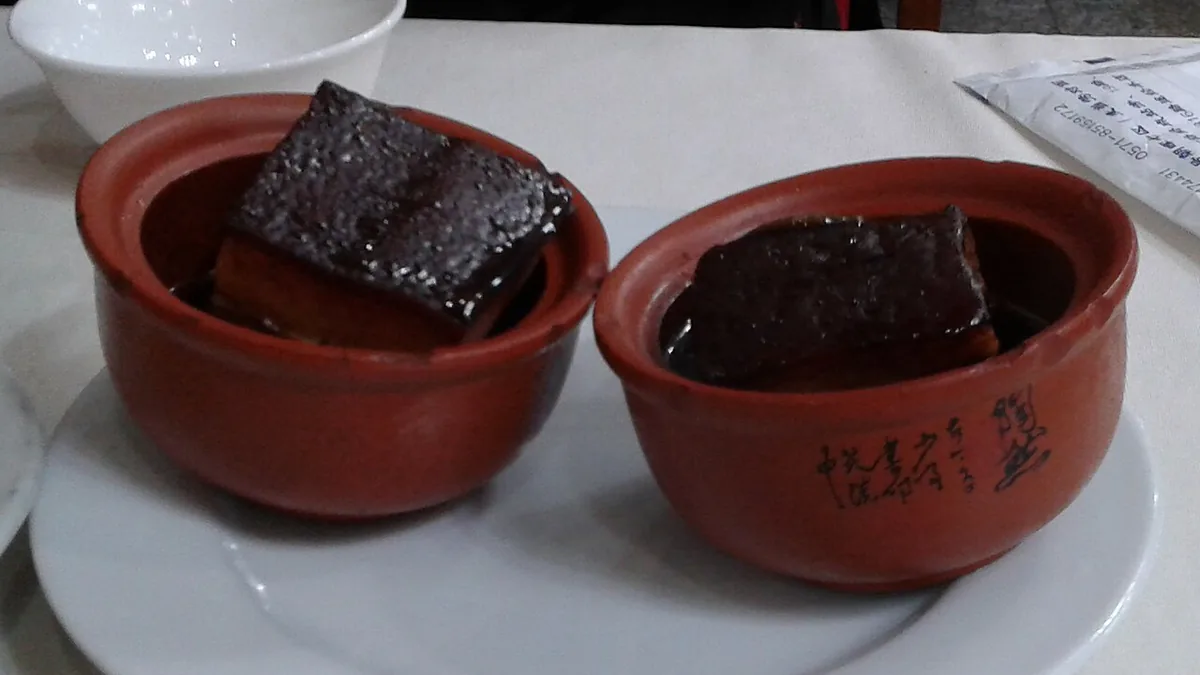
东坡肉 Dongpo pork
A cube of pork belly, tied with straw, braised for two to three hours in Shaoxing wine, dark soy, rock sugar and ginger until the fat turns translucent and the skin to jelly. Served one cube per person in a small pot, with rice. Named for Su Dongpo, the Song poet who governed Hangzhou and is credited with both the dish and the causeway across the lake. ¥80-150 per portion at the historic houses, ¥38-58 for a single cube at an ordinary restaurant, ¥128-198 for a claypot to share.
 *
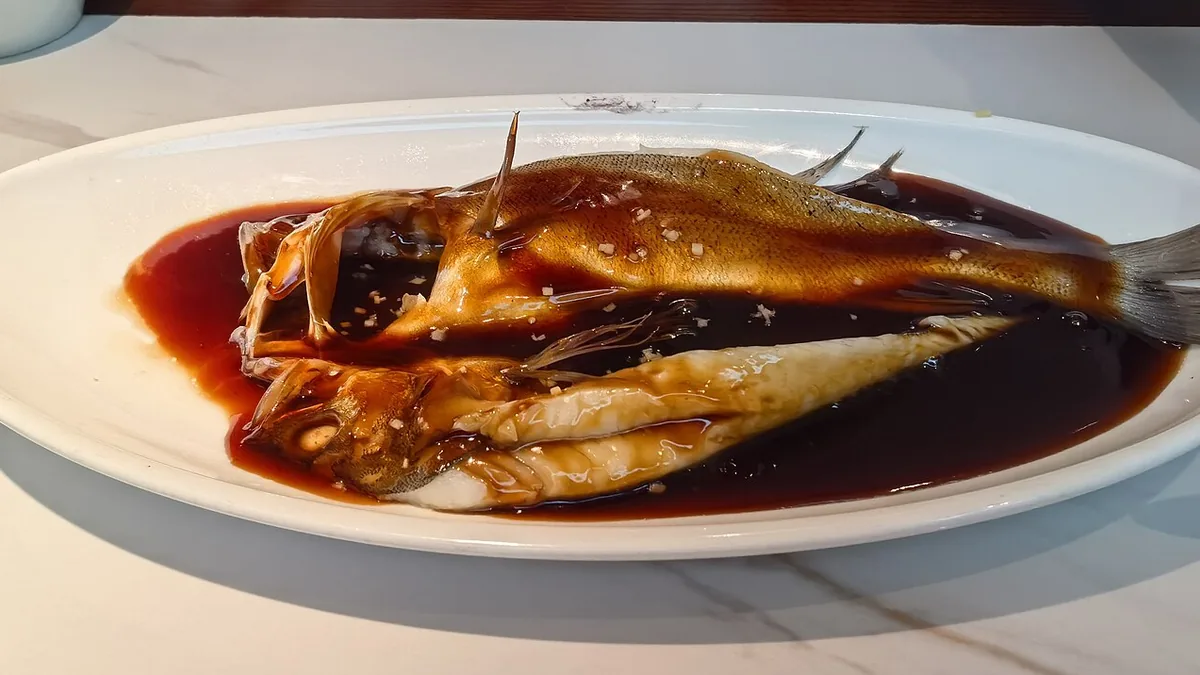
西湖醋鱼 West Lake vinegar fish
The dish that sorts restaurants into those that can cook and those that cannot. A whole grass carp, killed and poached within minutes so the flesh stays just set, then covered in a dark sauce of black vinegar, soy and sugar — no oil, no garlic, no chilli. It should taste sour first and sweet after. ¥150-300 for a whole fish at Lou Wai Lou; ¥98-158 at mid-range places, where the fish is often frozen.
 *
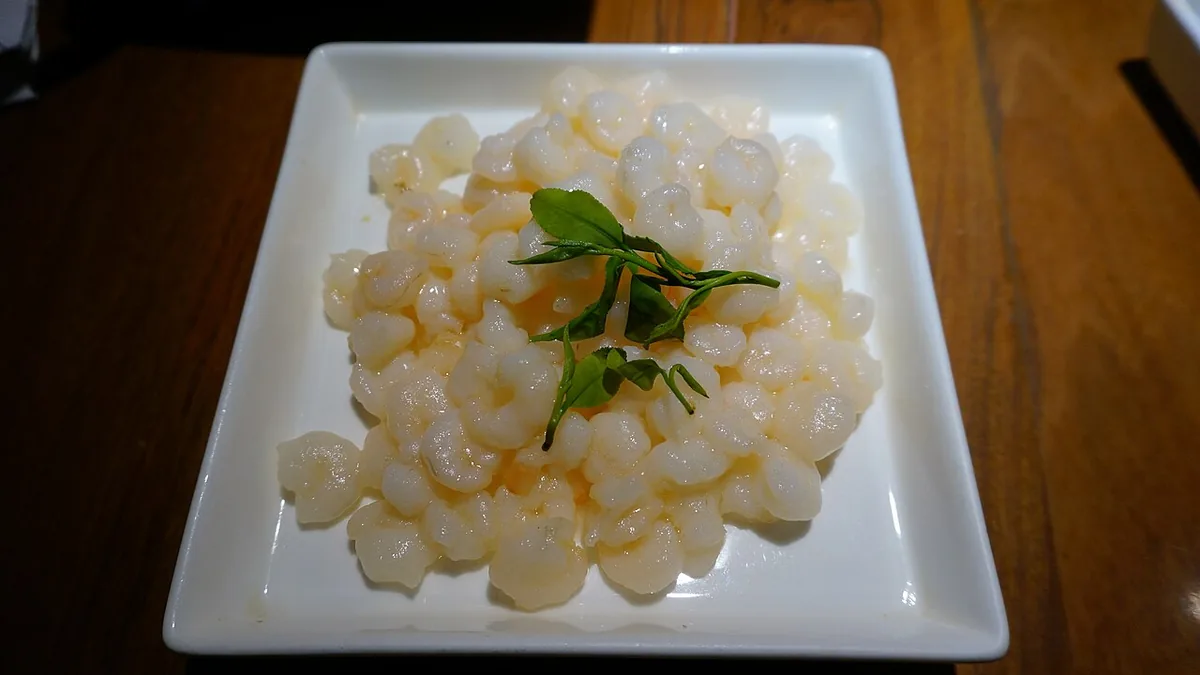
龙井虾仁 Longjing shrimp
River shrimp, shelled and stir-fried for barely a minute with a spoonful of brewed Longjing and its leaves. The colour is deliberately pale — if the shrimp are golden, the kitchen has overheated the wok. Light, faintly bitter from the tea, and the most elegant thing on any Hangzhou menu. ¥100-200.
 *
叫花鸡 Beggar’s chicken
A whole chicken rubbed with soy and five-spice, wrapped in lotus leaves, then in clay, then baked — traditionally in a fire built on the ground, which is where the name comes from. It arrives as a sealed ball that the server cracks open with a mallet; the meat inside should come apart with chopsticks. ¥168-228 and it feeds three. Order it when you sit down, not later: it needs 40 minutes.
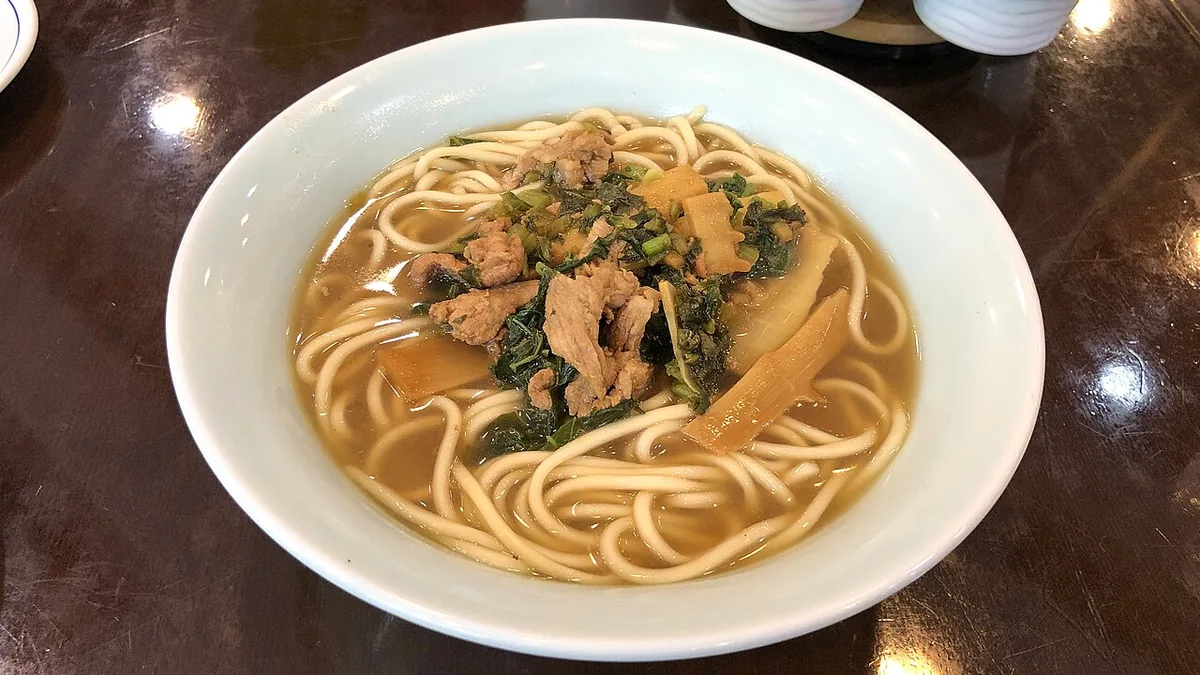
片儿川 Pian’erchuan noodles
Hangzhou’s everyday bowl: wheat noodles in pork broth with sliced pork, pickled mustard greens (雪菜) and bamboo shoots. The name is dialect for “sliced ingredients thrown into boiling water”. Cheap, savoury and the thing locals actually eat at noon. ¥25-45 at Kuiyuanguan, the 1867 noodle house on Jiefang Road that made both this and the next dish famous.
 *
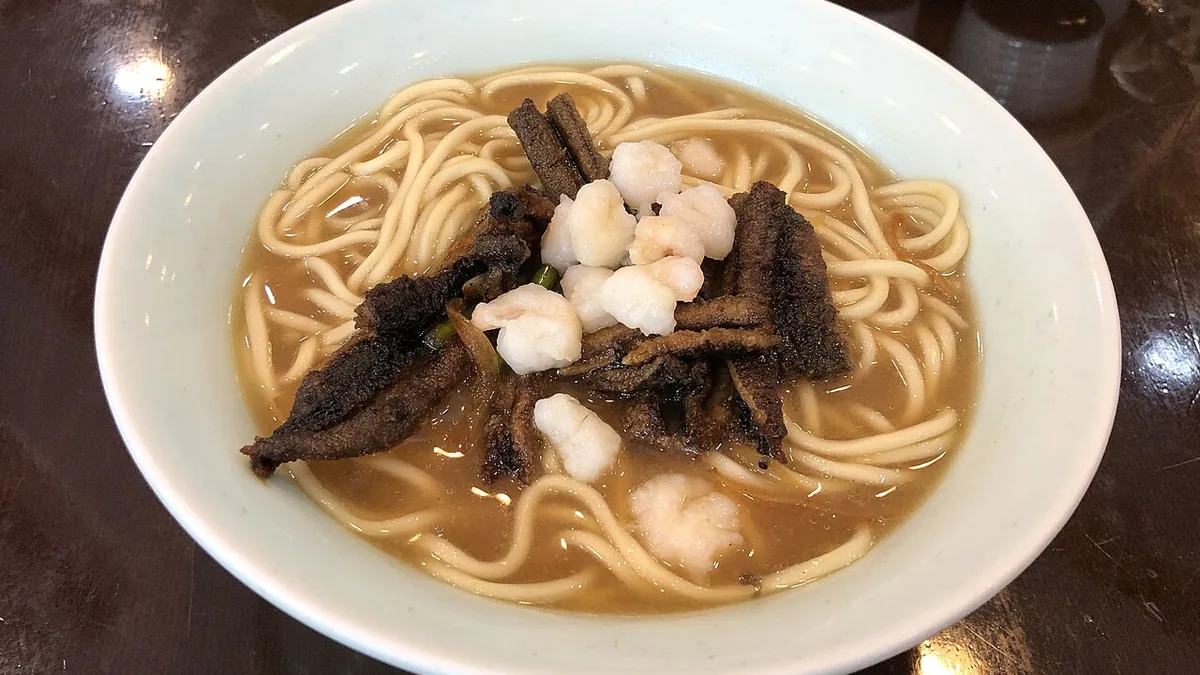
虾爆鳝面 Shrimp and eel noodles
Kuiyuanguan’s other signature: freshwater eel cut into strips and fried twice until crisp, prawns flash-cooked, both piled on noodles in a dark soy broth. Richer and more expensive than pian’erchuan — usually ¥45-75 — and worth it once.
 *
葱包桧 Cong you bao
Spring onion and a length of fried dough rolled inside a thin pancake, then pressed flat on a griddle until the outside blisters, and brushed with sweet bean sauce. The name is a pun on Qin Hui, the Song official blamed for Yue Fei’s death — the snack is literally “wrapped Qin Hui”. ¥6-10 on Hefang Street or any morning stall.
定胜糕 Ding sheng gao
A small pink steamed cake of rice flour with red bean paste inside, sold in pairs and eaten warm. Said to have been given to troops heading to battle — 定胜 means “certain victory”. ¥4-8 each, and the best ones come from stalls near the Southern Song Imperial Street rather than from souvenir shops.
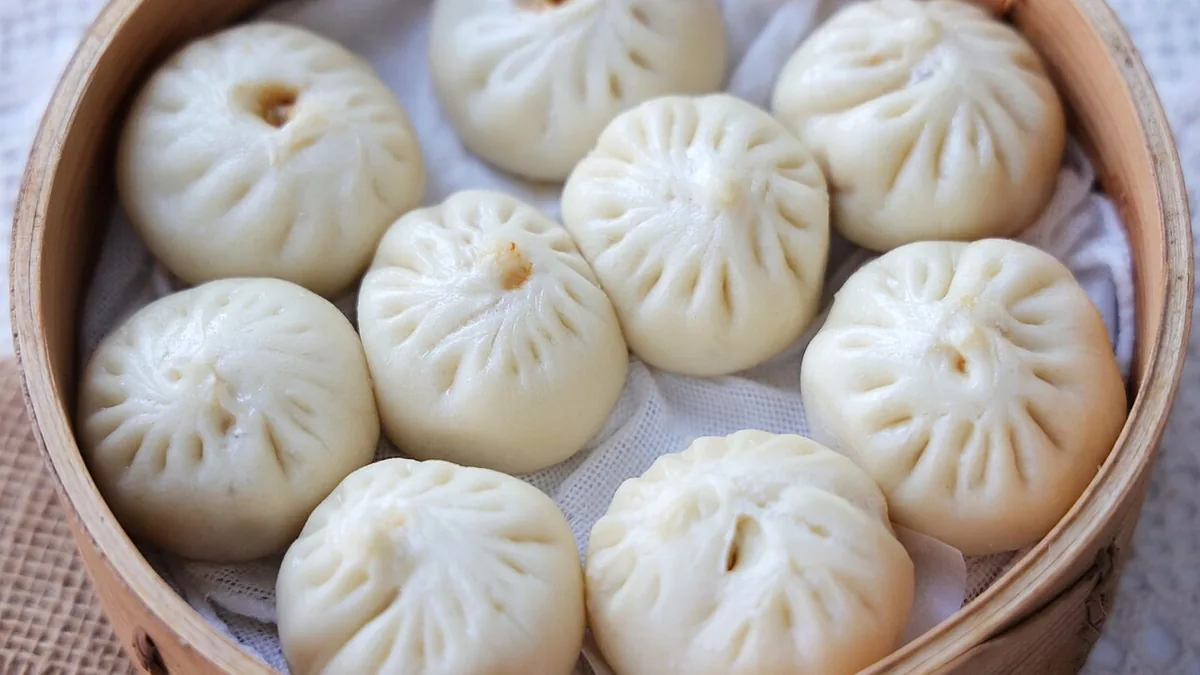
小笼包 Xiaolongbao
Hangzhou’s version is smaller and less soupy than Shanghai’s, with a firmer skin, and it is breakfast food rather than a restaurant order. A steamer of eight at Zhi Wei Guan costs ¥25-40 and comes with vinegar and shredded ginger. Eat it before 9am with soy milk.
猫耳朵 Mao erduo (“cat ears”)
Small thumb-pressed pasta shapes, boiled and stir-fried with shrimp, ham and bamboo shoots. It is a shape rather than a flavour, and it is the one dish on this list that children will eat without negotiation. ¥38-58 at Zhi Wei Guan.
Longjing tea belongs in the meal, not after it
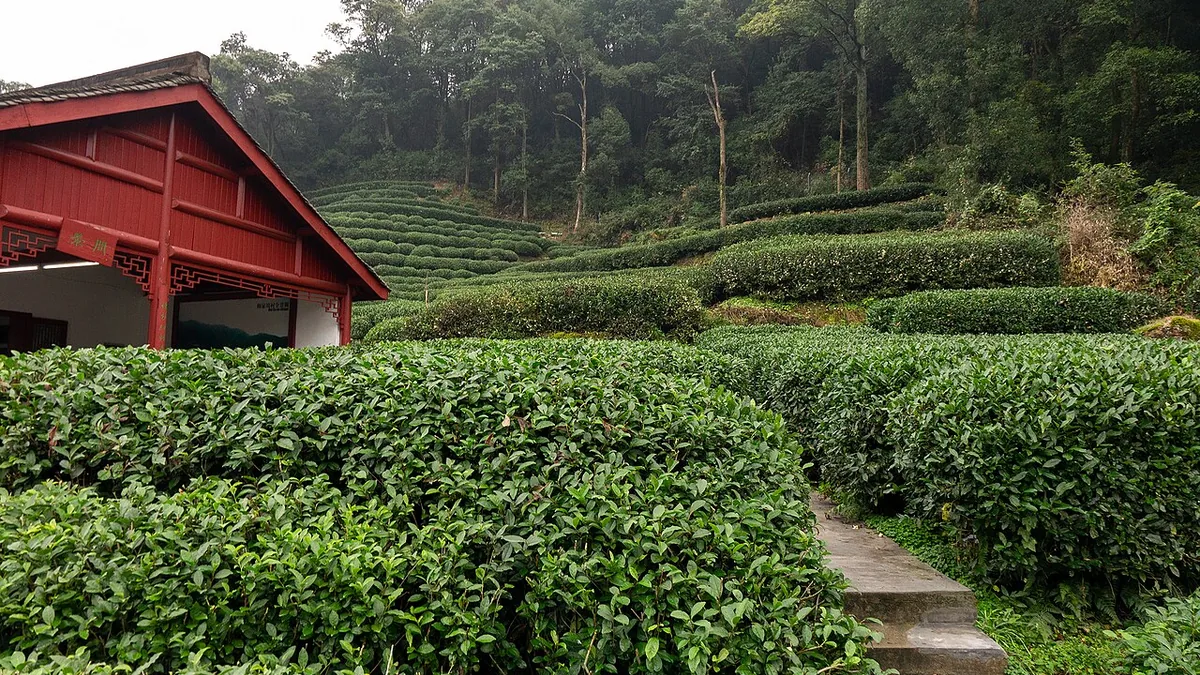
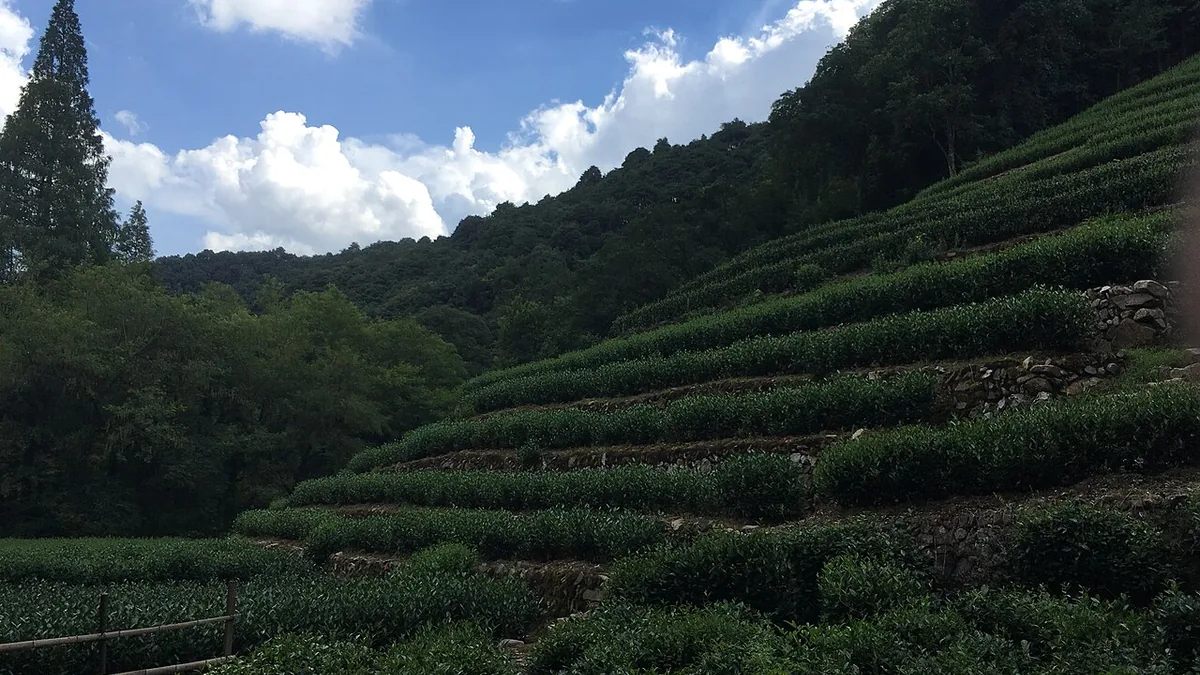
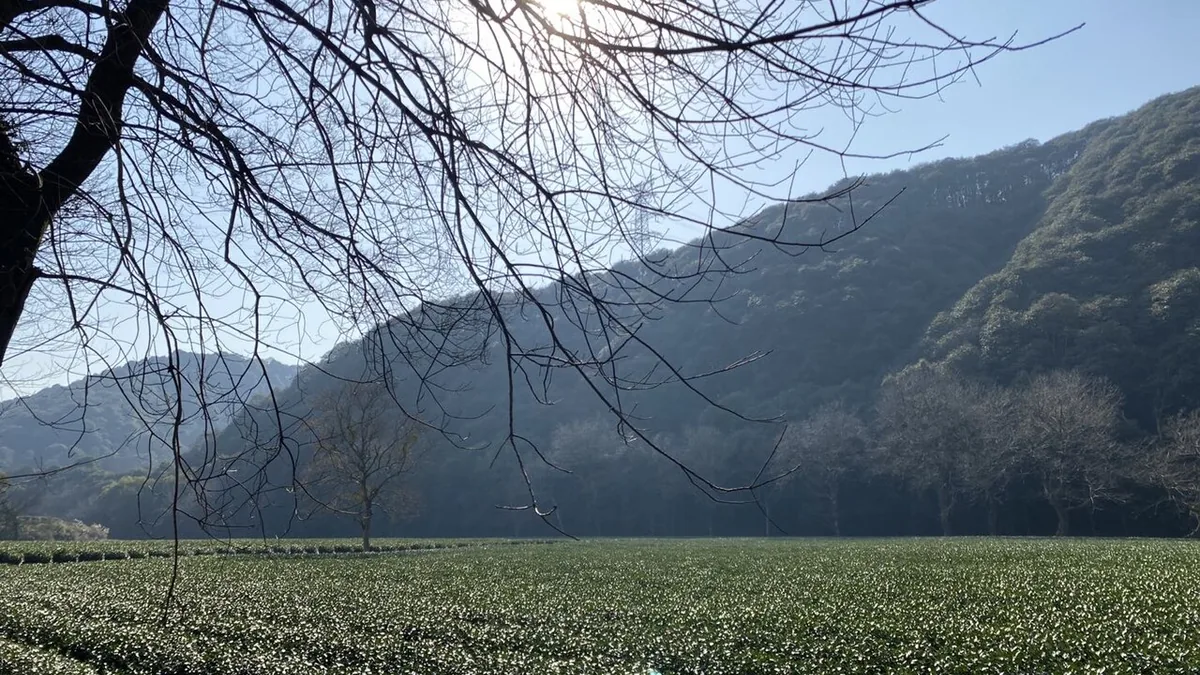
Hangzhou puts its most famous product into the food: the leaves go into the shrimp, the brewed tea goes into the wok, and a cup of it is what you drink between courses rather than coffee afterwards. In a restaurant, order a standard pot (¥15-30) and drink it while you eat — the bitterness cuts the pork fat better than water.
For the tea villages themselves, the picking calendar and the price ladder from ¥80 to ¥2,000 per 500g, read the Longjing tea village guide. It is a buying guide, not a drinking one, and it will save you from the tins sold at the airport.
 *
 *
 *
Where to eat in Hangzhou
| Place | What it is | Price |
|---|---|---|
| 楼外楼 Lou Wai Lou | Founded 1848 on Solitary Hill, the West Lake institution for vinegar fish and Dongpo pork | ¥150-300 |
| 知味观 Zhi Wei Guan | Founded 1913, the dim-sum-and-snacks house; best for xiaolongbao and 猫耳朵 | ¥80-150 |
| 奎元馆 Kuiyuanguan | Founded 1867, the noodle house for pian’erchuan and shrimp-eel noodles | ¥35-75 |
| 外婆家 Grandma’s Home | No-frills Hangzhou cooking, long queues, best value in the city | ¥60-100 |
| 河坊街 Hefang Street | Snack street: cong you bao, ding sheng gao, rice wine | ¥10-30 |
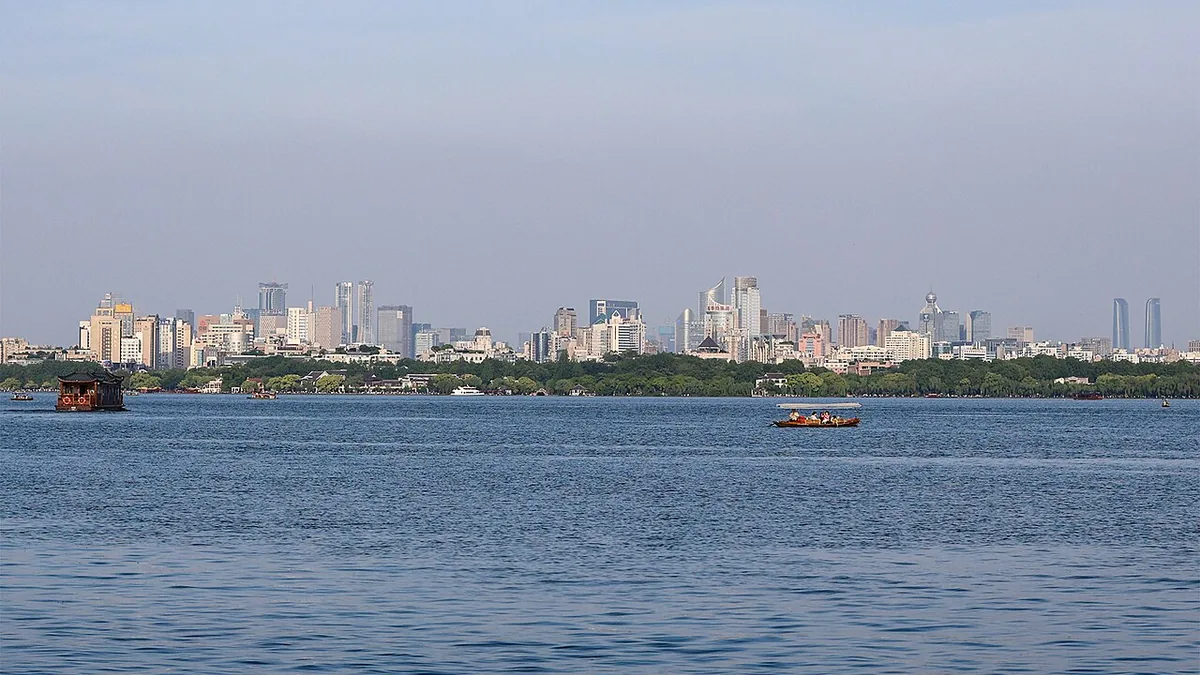
The geography matters: Lou Wai Lou and Zhi Wei Guan sit on the lake in the 湖滨 and 孤山 areas, ten minutes apart on foot, so doing both in one day is possible but repetitive. Better: a noodle lunch at Kuiyuanguan near 解放路, then Lou Wai Lou for dinner by the water.
 *
What a day of eating costs
Breakfast of xiaolongbao and soy milk ¥20-35. A bowl of pian’erchuan for lunch ¥25-45. Snacks in the afternoon — cong you bao, ding sheng gao, a cup of Longjing — ¥20-40. Dinner with Dongpo pork, a vegetable and rice ¥80-150, or ¥200-300 per person if you order the whole fish and the beggar’s chicken at Lou Wai Lou. A full day lands between ¥150 and ¥250 without the banquet dishes.
What to skip
- “West Lake fish” at restaurants away from the lake. Below ¥80 it is almost always frozen carp with a bottled sauce. The dish only works with a fish killed minutes earlier, which is why the historic houses charge what they do.
- Tea sold on Hefang Street and at the airport. Same leaf, three to five times the village price. Buy in Longjing or Meijiawu, or drink what the restaurant pours.
- “Imperial banquet” set menus. Long, expensive and reconstructed rather than inherited; nothing on them is what the Song court actually ate.
- The lake-view tables at peak lunch. You are paying ¥60-100 a head for a view of other tourists; the same kitchen, same food, at 13:30 with no queue tastes identical.
- Steamed lake crab out of season. Hangzhou’s hairy crab belongs to October and November. In July it is thin and priced as if it were not.
One thing that is not a trap but is routinely missed: the 杭帮菜博物馆 (Hangzhou Cuisine Museum) below the hills on the west side of the lake, which documents the Song-dynasty kitchen and the reconstruction of its dishes. It is free, quiet, and the best half-hour you can spend before eating any of this.
Timing and ordering
Lunch is 11:00-13:30 and dinner 17:00-20:30; the famous rooms fill by 12:30 and again at 18:30, and neither Lou Wai Lou nor Zhi Wei Guan takes bookings for tables of two. Arrive at opening or after 13:30.
Ordering is straightforward: menus have photos, QR codes are on the table, and staff at the historic houses speak enough English to take an order. Useful words: 素 (sù, vegetarian), 不要辣 (no chilli — you will not need it), 买单 (mǎidān, the bill), 打包 (dǎbāo, takeaway). Pay with WeChat Pay or Alipay; both take foreign cards, and cash is accepted everywhere but unnecessary.
For where Hangzhou sits among China’s food cities, see our China food by city guide; for eating safely on the street anywhere in the country, the China street food guide. The Hangzhou city page covers where to stay, the West Lake guide covers what to walk off afterwards, and our ordering food in Chinese guide has the full phrase list.
Plan your trip — verified tools
These free tools are built on real, monthly-verified data and help you skip the trial-and-error phase of China trip planning:
- China Budget Calculator — Real 2026 prices for 5 days in Beijing, Shanghai, Guangzhou, Chengdu, Xi’an, or Hangzhou. Budget / mid-range / comfort tiers, broken down line by line.
- China OTA Comparison 2026 — Trip.com vs Booking.com vs Agoda vs Klook across 5 booking types. Inventory, pricing, foreign card support, English service, per-OTA verdict.
Verified November 2026 by the TravelHubChina editorial team. We re-check prices and policy details monthly so the data doesn’t drift.
- Photos marked * in this article are from Wikimedia Commons — attribution and licence: Pauloleong2002, CC BY-SA 4.0; Vesekskiy, CC BY-SA 4.0; 猫猫的日记本, CC BY-SA 4.0; N509FZ, CC BY-SA 4.0; N509FZ, CC BY-SA 4.0; Peter K Burian, CC BY-SA 4.0; Wishva de Silva, CC BY-SA 3.0; Jessie csz, CC BY-SA 4.0; Windmemories, CC BY-SA 4.0*
Sources
FAQ
-
What is Hangzhou food known for?
Hangzhou cooking (杭帮菜) is the refined end of Zhejiang cuisine: freshwater fish from West Lake, pork belly braised in Shaoxing wine, bamboo shoots, and green tea used as an ingredient rather than a drink. Flavours are light and slightly sweet, with soy and vinegar doing the seasoning instead of chilli. It was shaped by the Southern Song court, which moved to Hangzhou in 1138 and brought professional palace kitchens with it. -
How much does a meal in Hangzhou cost in 2026?
¥35-60 per person at a noodle shop (Kuiyuanguan, or any 面馆), ¥80-150 at a mid-range Hangzhou restaurant, ¥150-300 at the historic houses on West Lake (Lou Wai Lou, Zhi Wei Guan) once a whole fish and a pork dish are on the table. Street snacks — cong you bao, ding sheng gao — run ¥4-10. Hotel restaurants roughly double the Lou Wai Lou prices for similar food. -
Do I need to book restaurants in Hangzhou?
For Lou Wai Lou and Zhi Wei Guan at weekend lunch, yes — call ahead or arrive before 11:30. Weekday dinner is usually walk-in. Most noodle shops do not take bookings at all. Around West Lake on a public holiday, expect 40-90 minute queues at every famous name, which is the main argument for eating at 11:00 or after 13:30. -
Is Hangzhou food good for vegetarians?
Better than most Chinese cities. Bamboo-shoot dishes, 素鸡 (braised tofu rolls), lotus root, water greens and temple restaurants near Lingyin are all reliable. Watch for lard and meat stock in vegetable dishes, and note that 东坡肉 and 西湖醋鱼 are obviously off the table. Say 素 (sù) and ask for 不要肉 (no meat). -
What is the best dish to try if I only eat one meal in Hangzhou?
Dongpo pork with a bowl of rice, then West Lake vinegar fish if you are two people. The pork is the dish the city is judged on: a single cube of belly, braised for hours in Shaoxing wine, soy and sugar until the skin turns to jelly. If you would rather eat like a local at noon, order pian'erchuan noodles at Kuiyuanguan instead — ¥25-45 and no queue at 11am. -
Which tea should I drink with Hangzhou food?
Longjing (Dragon Well) green tea, obviously — it is grown in the hills west of the lake. Order it by grade only if you care; in restaurants a standard cup is ¥15-30 and perfectly good. For buying tea to take home, read our separate Longjing tea village guide, which covers the four protected villages, the ten grades and how to avoid the marked-up tourist tins. -
When is the best season to eat in Hangzhou?
Spring, March to May: Longjing is picked, bamboo shoots are in season and the lake is at its best. Autumn (October-November) brings hairy crab and clearer skies. Summer is hot and humid with lake fish at their least interesting, and winter is quiet but the braised dishes suit the cold. Avoid the 1-3 May and 1-7 October holidays if you want to eat without queuing.
Related guides
- Food & Dietary
Beijing Food Guide: 13 Dishes to Eat
Beijing food guide: 13 dishes, 2026 prices and where to eat each — Peking duck, copper-pot lamb, zhajiangmian, baodu, luzhu and the breakfast locals queue for.
13min read
- Food & Dietary
Chengdu Food Guide: 20 Dishes to Eat
Chengdu food guide: 20 dishes with 2026 prices, where to eat each one and how to order — mapo tofu, hotpot, rabbit head and the snacks locals queue for.
12min read
- Food & Dietary
Guangzhou Food Guide: 19 Dishes to Eat
Guangzhou food guide: 19 dishes with 2026 prices and where to eat each — dim sum at yum cha, roast goose, white cut chicken, wonton noodles and claypot rice.
12min read
- Food & Dietary
Street Food in China: 20 Safe Dishes for First-Timers
20 street foods from ¥0.50-3 each, plus the four food-safety rules that stop first-timers getting stomach trouble.
10min read
- Food & Dietary
Longjing Tea Village: How to Buy Real Dragon Well (2026)
Longjing (Dragon Well), China's most famous green tea, grown only in 4 protected villages west of West Lake. The 10 grades and how to spot fakes.
7min read
- Stays & Hotels
Honeymoon in Hangzhou: 4-5 Romantic Days (2026 Guide)
Hangzhou honeymoon for 2026: West Lake (UNESCO), Longjing tea, the Wuzhen water town and Aman Fayun — with a 4-5 day plan and visa-free entry.