
Hong Kong on a Budget: 3 Days Under HKD 3,000 (2026 Guide)
A practical 3-day Hong Kong itinerary for budget travelers: how to keep total spend under HKD 3,000 (USD 380) including accommodation, food, attractions, and transit. Includes where to stay (Kowloon vs HK Island), cheap eats (cha chaan teng, dai pai dong, dim sum), free attractions (Victoria Peak, Star Ferry, Tsim Sha Tsui Promenade), and the Octopus Card system.
Hong Kong is one of the most expensive cities in Asia, but the locals are experts at stretching a dollar. This itinerary uses the same tricks: stay in Kowloon, eat at dai pai dong + cha chaan teng, and use the free attractions (Star Ferry, Victoria Peak hiking, Tsim Sha Tsui Promenade) instead of paid ones.
If your trip continues into mainland China, the 240-hour visa-free transit (see our China 240-hour visa-free transit guide) lets you enter the mainland for up to 10 days without a separate visa. Most travelers pair Hong Kong with our 5-day Shanghai itinerary (1.5-hour flight + Maglev), and the Cantonese dim sum guide is the natural next read for any food-focused trip to the city.
Sample 3-day budget breakdown (per person)
| Item | HKD |
|---|---|
| Hotel (3 nights, 3-star Kowloon) | 2,100 (700/night) |
| Food (3 days, 3 meals + snacks) | 600 (200/day) |
| Transit (Octopus Card, 3 days) | 250 |
| Attractions (3-4 paid sites) | 350 |
| Octopus Card deposit + value | 150 (deposit refundable) |
| Total | ~3,450 HKD (USD 440) |
That’s the realistic mid-range budget. Pure budget (hostel, only street food, only free attractions): HKD 1,500-2,000 (USD 190-260). Comfortable (4-star hotel, nicer restaurants, all attractions): HKD 6,000+ (USD 770+).
Day 1: Kowloon arrival + Tsim Sha Tsui
Arrive: From HKIA, take bus A21 (HKD 33, 75 min) to Tsim Sha Tsui. Check into a 3-star hotel in TST (¥600-900/night recommended: Butterfly, Stanford Hillview, or Hotel Ease).
Afternoon (free):
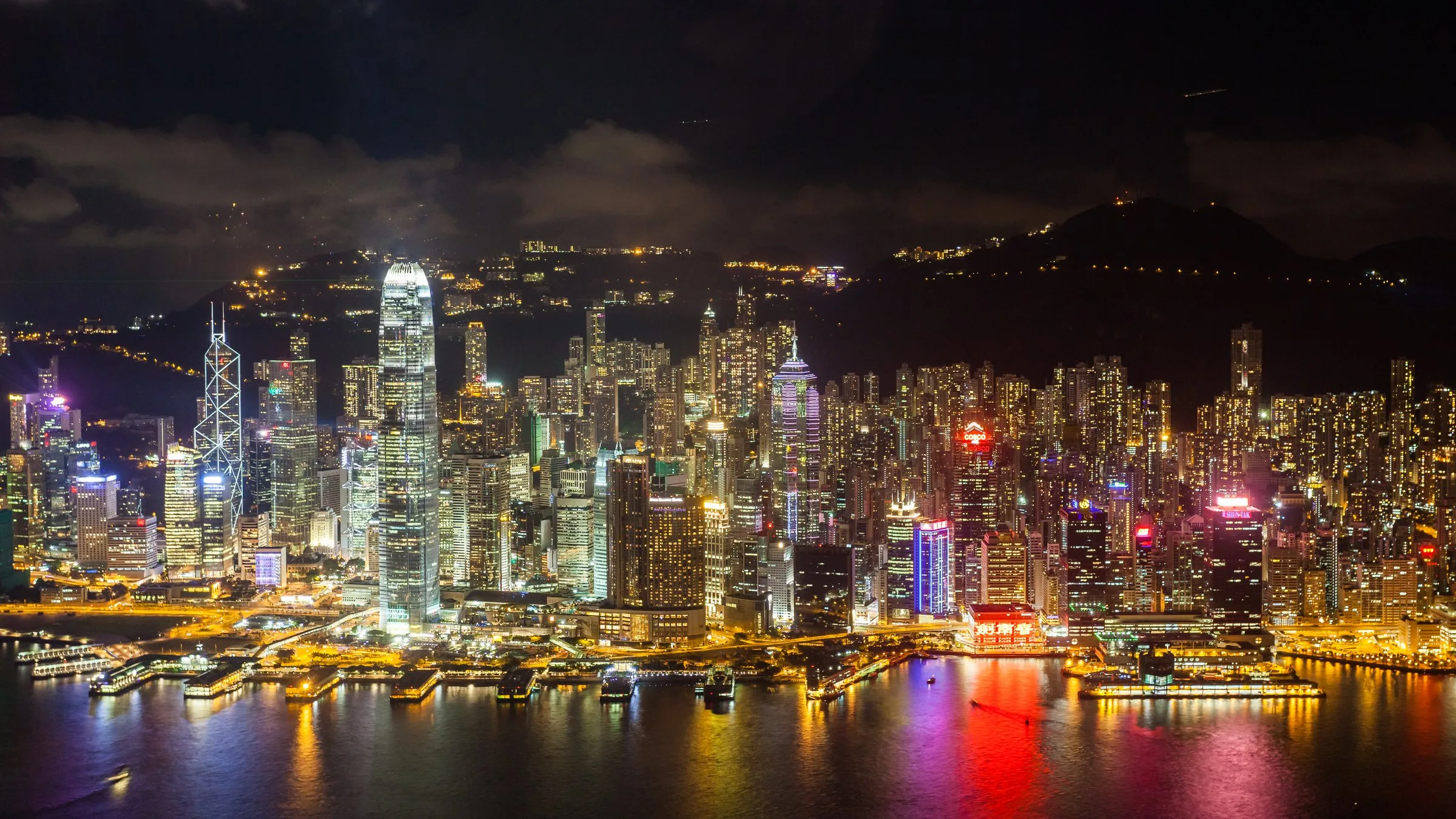
- Walk the Tsim Sha Tsui Promenade (free, 30 min) — the iconic view of the HK Island skyline across Victoria Harbour
- Avenue of Stars (free) — Hong Kong’s version of the Hollywood Walk of Fame, with Bruce Lee statue
- K11 Musea (free to enter, shops inside) — design-focused mall with art exhibitions
Evening:
- Star Ferry (HKD 5 with Octopus, 10 min) from TST to Central or Wan Chai on HK Island. The 100-year-old green-and-white ferries are an attraction in themselves.
- Dinner in Central at a dai pai dong (open-air food stall with plastic stools): Tung Po Kitchen (HKD 100-200/person) or Tim Ho Wan (the world’s cheapest Michelin-starred dim sum, HKD 80-150/person). Make reservations for Tim Ho Wan.
- Optional: drinks at a rooftop bar (HKD 150+ per drink) or just walk the harbor.
Day 1 budget: bus HKD 33 + ferry HKD 10 + dinner HKD 150 = HKD 193 (USD 25).
Day 2: HK Island — Central + Sheung Wan + Wan Chai
Morning (free):
- Man Mo Temple (free, 30 min) — 19th-century Taoist temple in Sheung Wan, atmospheric and incense-heavy
- Walk up Pottinger Street (the “Pottery Street” stone steps) for old Hong Kong atmosphere
- Cat Street flea market (free) for vintage and curios
Lunch (cheap):
- Lin Heung Kui — old-style cha chaan teng (Hong Kong diner) famous for egg tarts and dim sum, HKD 60-100/person
- Mido Cafe in Yau Ma Tei (¥50-80) — 1950s-vibe cha chaan teng in Kowloon if you prefer to stay on that side
- Or grab bo zai zai (bo lo bao, pineapple bun, HKD 15) + milk tea (HKD 25) at any cha chaan teng
Afternoon (free or cheap):
- Central-Mid-Levels Escalator (free) — the world’s longest outdoor covered escalator, 800m through the hillside neighborhoods
- Tai Kwun (free to enter, paid exhibitions) — the restored Central Police Station, now a contemporary art and heritage center. One of the best-preserved colonial buildings in HK.
- PMQ (free) — a creative hub in converted police married quarters, with designer shops and cafes
- Or take the ding ding (tram, HKD 3) from Central to Wan Chai or Causeway Bay — 100-year-old double-decker trams, the cheapest scenic ride in HK
Evening:
- Symphony of Lights (free, 8 PM nightly) — the world’s largest permanent light and sound show across the harbour, viewed from the Tsim Sha Tsui Promenade
- Dinner in Causeway Bay or Wan Chai: try Mak Man Kee (wonton noodles, HKD 50) or Joy Hing (roast goose rice, HKD 80)
- Optional: Lan Kwai Fong for nightlife (drinks HKD 150+, the area is famously crowded on weekends)
Day 2 budget: dim sum HKD 80 + escalator + Tai Kwun free + tram HKD 6 + dinner HKD 100 = HKD 186 (USD 24).
Day 3: Lantau Island or Hong Kong Island hiking
You have two great options for Day 3.
Option A: Lantau Island (Big Buddha + Tai O village)
- Take MTR to Tung Chung (HKD 25 from TST, 30 min)
- Ngong Ping 360 cable car (HKD 235 standard / HKD 195 standard return) — the 25-minute ride offers spectacular views
- Tian Tan Buddha (Big Buddha) (free) — 34m tall bronze statue, 268 steps to climb
- Po Lin Monastery (free) — vegetarian lunch at the monastery (HKD 80-150) is a famous experience
- Tai O fishing village (bus HKD 7 from Ngong Ping, 20 min) — 800-year-old stilt houses, dolphin-watching tours (HKD 200-400), and the famous local snack shrimp paste (HKD 20-50)
- Return to TST by MTR (HKD 25)
Day 3 budget: MTR HKD 50 + cable car HKD 195 + lunch HKD 100 + bus HKD 7 = HKD 352 (USD 45).
Option B: Hong Kong Island hiking
- Dragon’s Back Trail (free) — consistently rated one of the world’s best urban hikes. 2.5 hours, 8.5 km, easy-to-moderate. Start at Shau Kei Wan MTR, end at Big Wave Bay beach.
- Lunch at Big Wave Bay — the seafood restaurants on the beach (HKD 150-300/person) or pack your own
- Shek O Beach (free, accessible by bus 9 from Shau Kei Wan, HKD 7) — quieter alternative
- Return to TST for last dinner: try Australia Dairy Company (cha chaan teng, scrambled eggs and toast, HKD 80/person) or Spring Deer (peking duck, HKD 200/person)
Day 3 budget: MTR + bus HKD 35 + lunch HKD 100 + dinner HKD 150 = HKD 285 (USD 37).
Where to eat (the budget Hong Kong way)
Cha chaan teng (Hong Kong diner) — HKD 60-150/person:
- Mido Cafe (Yau Ma Tei) — 1950s vibe, classic
- Australia Dairy Company (Jordan) — famous scrambled eggs
- Tsui Wah (multiple locations) — 24-hour, wonton noodles
- Lan Fong Yuen (Central) — invented milk tea in 1952
Dai pai dong (open-air food stalls) — HKD 100-200/person:
- Tung Po Kitchen (North Point) — Michelin-listed, must reserve
- Yee Shun Milk Company (multiple) — steamed milk pudding
- Temple Street Night Market stalls (Yau Ma Tei) — seafood, dai pai dong style
Dim sum (morning) — HKD 80-200/person:
- Tim Ho Wan (multiple) — world’s cheapest Michelin-starred, must reserve
- Lin Heung Kui (Sheung Wan) — old-school, carts come to your table
- Maxim’s Palace (City Hall, Central) — classic harbor-view dim sum, weekend queue
Local specialties (must-try):
- Roast goose (烧鹅) — Joy Hing (Wan Chai) or Yat Lok (Central), HKD 80-150
- Wonton noodles (云吞面) — Mak Man Kui (Central), HKD 50
- Bo zai zai / pineapple bun (菠萝包) — any cha chaan teng, HKD 15
- Egg tarts (蛋挞) — Tai Cheong (Central) or Honolulu Coffee Shop (Stanley), HKD 12
- Cart noodles (车仔面) — Fei Jie (Mong Kok), pick your own toppings HKD 50-80
- Fish balls (鱼蛋) — street vendors everywhere, HKD 10-20 per skewer
- HK-style milk tea (丝袜奶茶) — Lan Fong Yuen (Central) or Tsui Wah, HKD 25
Free (or nearly free) attractions
- Star Ferry (HKD 5 with Octopus) — the iconic 100-year-old harbor crossing
- Tsim Sha Tsui Promenade — skyline views, Avenue of Stars, Bruce Lee statue
- Victoria Peak Garden (free, vs. the HKD 99 paid Sky Terrace) — same view, 10 min walk from the paid area
- Dragon’s Back Trail — one of the world’s best urban hikes
- Man Mo Temple (Sheung Wan) — atmospheric 19th-century temple
- Symphony of Lights (8 PM nightly) — light and sound show
- Tai Kwun — restored colonial compound, free to enter
- Wong Tai Sin Temple (Kowloon) — fortune-telling temple, free
- Chi Lin Nunnery + Nan Lian Garden (Diamond Hill) — Tang Dynasty-style wooden temple, free
- Stanley Market (HK Island, bus 6X or 260 from Central, HKD 15) — weekend market
Octopus Card setup
Buy at any MTR Customer Service Centre (HKD 50 deposit + HKD 100 initial value). Tap to enter and exit MTR, tap to pay at 20,000+ retailers. The card auto-reloads from your credit card when balance drops below HKD 50 (set this up at purchase time, called “Automatic Add Value Service”). Keep it — it’s a useful souvenir. Refund the deposit (HKD 50) plus any remaining value at any MTR station when you leave, or just keep it for next time.
When to go
- October-December: best weather (18-25°C, low humidity, cool nights). Christmas decorations on the harbour are stunning. Also peak tourist season — book hotels 1-2 months ahead.
- March-May: good weather (20-28°C, mild humidity). Less crowded than October-December.
- June-September: hot (28-35°C), humid, rainy. Typhoon season (Jul-Sep, check forecasts). Lowest hotel prices, but the humidity is oppressive. Skip if you can.
- January-February: cool (10-18°C), Chinese New Year brings fireworks, horse racing, and decorations. Hotels book up 2-3 months ahead.
Day trip to Macau (optional, +1 day)
If you have a 4th day, the Macau day trip is worth it (and only 1 hour by ferry from HK). Macau is a former Portuguese colony, so the architecture, food, and feel are completely different from HK. Book the TurboJET or Cotai Water Jet ferry (HKD 200-300 round trip). Once in Macau: Senado Square (UNESCO), Ruins of St. Paul’s, the Venetian (if you like casinos), and the famous Portuguese egg tarts (HKD 12) at Lord Stow’s Bakery. Budget HKD 800-1,500 for a day trip (ferry + lunch + 1-2 paid attractions).
Plan your trip — verified tools
These free tools are built on real, monthly-verified data and help you skip the trial-and-error phase of China trip planning:
- China 240-Hour Visa-Free Transit Checker — 57 countries, 24 provinces, 65 ports. See if you qualify for 10-day visa-free transit, which cities you can visit, and the 5-step process.
- China 6-City 5-Day Budget Calculator — Real 2026 prices for 5 days in Beijing, Shanghai, Guangzhou, Chengdu, Xi’an, or Hangzhou. Budget / mid-range / comfort tiers, broken down line by line.
Verified August 2026 by TravelHubChina Editorial. We re-check prices and policy details monthly so the data doesn’t drift.
Step by step
-
Book a 3-star Kowloon hotel 2-4 weeks ahead
Reserve a 3-star hotel in Tsim Sha Tsui, Yau Ma Tei, or Mong Kok for HKD 600-800/night on Trip.com or Booking.com. Avoid HK Island (Central, Causeway Bay) — it is 40-60% pricier for similar quality. Reliable chains: Butterfly Hotel, Hotel Ease, Stanford Hillview. Look for the 'foreign guests welcome' tag if your passport requires it.
-
Buy an Octopus Card at the airport or any MTR station
Pick up an Octopus Card at HKIA Customer Service Centre or any MTR station — HKD 50 refundable deposit + HKD 100 initial value. Top up HKD 200-300 for 3 days of heavy transit use. Use it on MTR, buses, Star Ferry (HKD 5), trams, peak tram, and 20,000+ retail outlets. Refund the deposit when you leave.
-
Plan food around cha chaan teng + dai pai dong
Budget HKD 200/day for food. Eat breakfast at a cha chaan teng (HKD 50-80) and lunch/dinner at dai pai dong or Tim Ho Wan (HKD 80-150/meal, the world's cheapest Michelin-starred dim sum). Try Tung Po Kitchen in Central, Mido Cafe in Yau Ma Tei, and Australia Dairy Company in Jordan. Avoid tourist-marked 'welcome' restaurants.
-
Use free attractions, skip the paid ones
Walk the Tsim Sha Tsui Promenade (free, iconic harbour view), take the Star Ferry (HKD 5, 100-year-old green-and-white ferries), and hike Victoria Peak instead of paying HKD 99 for the Peak Tram. Also free: Avenue of Stars, K11 Musea, Man Mo Temple, Wong Tai Sin Temple outer courtyards, and the Mid-Levels escalator.
-
Take the Airport Express or A21 bus from HKIA
From HKIA to Kowloon: Airport Express HKD 105 (24 min) or A21 bus HKD 33 (75 min, luggage space). For 2+ people with luggage, split a taxi (HKD 250-350, 45-75 min). Avoid unlicensed red-plate taxis at the airport — use the official taxi queue inside the arrivals hall. Octopus Card works on all three options.
FAQ
-
How much does 3 days in Hong Kong cost?
Budget traveler (hostel, cheap eats, free attractions): HKD 1,500-2,500 (USD 190-320). Mid-range (3-star hotel, mix of cheap and mid-range restaurants, key paid attractions): HKD 3,000-5,000 (USD 380-640). Comfortable (4-star hotel, mostly mid-range restaurants, all paid attractions, shopping): HKD 6,000-10,000 (USD 770-1,280). Hong Kong is one of the most expensive cities in Asia — daily costs are 50-100% higher than mainland China. The biggest savings come from: staying in Kowloon instead of HK Island, eating at cha chaan teng + dai pai dong, and using free attractions (Star Ferry, Victoria Peak hiking, Tsim Sha Tsui Promenade). -
Do I need a visa for Hong Kong?
Most Western countries (US, UK, Canada, Australia, most EU) get 90 days visa-free. Many Asian countries get 14-90 days. Mainland Chinese citizens need a separate permit (回乡证) for Hong Kong entry. After Hong Kong, many travelers continue to Macau (no separate visa for most Westerners) or back to mainland China. If you're combining Hong Kong with mainland China, plan your visa-free days carefully — Hong Kong and mainland days are separate. -
Where should I stay in Hong Kong on a budget?
Stay in Kowloon (Tsim Sha Tsui, Yau Ma Tei, Mong Kok, Jordan). It's 40-60% cheaper than HK Island (Central, Causeway Bay, Wan Chai) and well-connected by MTR. Specifically: Tsim Sha Tsui for first-timers (right by the harbour, walkable to the Star Ferry, ferry to HK Island), Yau Ma Tei for street-food focus (Temple Street night market), Mong Kok for shopping and cheap hotels. Budget hotel chains: Butterfly Hotel, Hotel Ease, Stanford Hillview, Cityview. Airbnb is legal in HK but most listings are 30-day minimum — not useful for short stays. Hostels: Yesinn @TST, Hop Inn, Wonton Girl. -
What's the Octopus Card and do I need one?
The Octopus Card is Hong Kong's stored-value smart card system. It works on MTR (subway), buses, minibuses, ferries (including Star Ferry), trams, peak tram, most taxis, and at 20,000+ retail outlets (convenience stores, fast food, supermarkets, vending machines). Buy it at any MTR station (HKD 50 deposit + HKD 100 initial value = HKD 150 total). Refund the deposit when you leave. For 3 days of heavy transit use, HKD 200-300 of stored value is plenty. There's no daily cap — pay as you go. The physical card is more reliable than phone-based payment (Octopus on iPhone works but at fewer merchants). -
Is Hong Kong safe for tourists?
Yes, Hong Kong is one of the safest major cities in Asia. Violent crime is very rare. Petty theft exists (pickpockets in crowded markets like Temple Street and Ladies' Market) but is much less common than in mainland China. The 2019-2020 protests are over; daily life is back to normal. The main risks for tourists are: typhoons (Jun-Sep, check forecasts), heat (May-Sep, 30-35°C with humidity), and the famously fast escalators (stand on the right, walk on the left). Solo female travelers report feeling very safe in Hong Kong. -
What's the cheapest way to get from the airport to the city?
The Airport Express (MTR) is HKD 115 from HKIA to Central, HKD 105 to Kowloon, and HKD 70 to Tsing Yi. 24-minute ride, free MTR transfers for the rest of the day. Bus is cheaper: A21 (HKD 33) from airport to Tsim Sha Tsui, 75 min ride with luggage space. Taxi is HKD 250-350 to Kowloon, HKD 350-450 to Central, 45-75 min depending on traffic. For a solo budget traveler: bus is best. For 2+ people with luggage: taxi is faster. The Airport Express is the middle option (fast + predictable + mid-price). -
Can I use Chinese payment apps (Alipay, WeChat Pay) in Hong Kong?
Yes, both work in Hong Kong at most major retailers, restaurants, and convenience stores. Alipay has wider coverage than WeChat Pay in HK. Both support foreign Visa/Mastercard (link your foreign card to the app). Cash (HKD) is accepted everywhere. Foreign credit cards work at international chains, upscale restaurants, and major shopping malls. For a budget trip, use the Octopus Card for transit and small purchases, Alipay/WeChat Pay for restaurants and shops, and HKD 200-500 in cash for emergencies. Most dai pai dong and street stalls are cash or Octopus only. -
Is English widely spoken in Hong Kong?
Yes, Hong Kong is one of the most English-friendly cities in Asia. All signage is bilingual (Chinese + English). MTR announcements are in Cantonese, Mandarin, and English. Hotel staff, restaurant servers in tourist areas, and most people under 40 speak conversational English. Cantonese is the local language; Mandarin is widely understood but not preferred. Taxi drivers may not speak much English — show them your destination in Chinese characters (use Google Maps screenshot, which shows Chinese names by default in HK).
Related guides
- Itineraries
Hong Kong 5-Day Itinerary 2026: Peak Tram, Star Ferry, Disneyland, Lantau Island
5-day Hong Kong itinerary for first-time visitors: Day 1 Victoria Peak + Star Ferry, Day 2 Tsim Sha Tsui + Avenue of Stars, Day 3 Disneyland or Ocean Park, Day 4 Lantau Island + Tian Tan Buddha, Day 5 local neighborhoods (Sheung Wan, Sham Shui Po, Wong Tai Sin Temple).
- Itineraries
China Group Tours in 2026: Complete Guide (Worth It? Best Operators, Costs, and How to Avoid the Traps)
Comprehensive 2026 guide to China group tours: top 6 tour operators (Intrepid, G Adventures, EF, China Highlights, Wild China, Backroads) with prices, group sizes, and reviews. Plus: pros and cons vs independent travel, top 5 sample itineraries (14-day Grand Tour, photography, food, family, adventure), how to avoid shopping trap stops, and whether Tibet, Xinjiang, and Silk Road tours are worth the premium.
10min read
- Itineraries
China Vacation Packages 2026: Complete Guide to All-Inclusive Tours, Costs, and Best Operators
Compare the best China vacation packages for 2026 by tour type, budget, and traveler profile. Includes pricing for 6 budget tiers, top 8 operators (Trip.com, Intrepid, G Adventures, EF Tours, China Highlights, Wild China, Backroads, Audley), what's included vs excluded, and the 5-step booking process. Plus: how to avoid shopping trap stops, 14-day vs 7-day vs 21-day packages, and whether a guided package is worth it for first-time China visitors.
11min read
- Itineraries
China Cool 2026: 8 Best Summer Escapes from the Heat (Foreigners' Guide)
China Cool is the 2026 trending travel movement — escaping the summer heat to China's mountain and forest retreats averaging 18-26°C. 8 hand-picked destinations with transport, stay, and food tips for foreign visitors.
11min read
- Itineraries
China's 15 Hidden Gem Cities: The 2026 Reverse Tourism Guide for Foreigners
Skip Beijing and Shanghai. China's 15 hidden gem cities for 2026 — verified lesser-known destinations (Wuyuan, Fenghuang, Songpan, Dali, Wuyi, Tengchong, Jianshui, etc.) with how to get there, what to do, where to stay, and food. Reverse tourism trend up 187% YoY in 2026.
14min read
- Itineraries
China Honeymoon 2026: The Ultimate Romantic Travel Guide (Itineraries, Cost, Visas)
China is the surprise 2026 honeymoon destination — cheaper than Bali/Maldives, less crowded than Paris, with hidden romantic gems. 4 ready-made itineraries (7 / 14 / 21 / 30 days) covering Yunnan, Sichuan, Jiangnan, and Tibet-Yunnan grand circuits. 2026 visa rules, costs, best seasons, and how to avoid the 5 most common honeymoon mistakes in China.
16min read