
Sichuan Cuisine Guide: 15 Essential Dishes for Foreigners
A practical guide to Sichuan (川菜) cuisine for foreign visitors — the 15 essential dishes, what makes Sichuan food spicy-numbing (麻辣), where to eat in Chengdu, and how to order without speaking Chinese.
The cuisine that conquered China (and is conquering the world)
Sichuan cuisine (川菜 Chuāncài) is one of China’s eight great culinary traditions and the most internationally recognized Chinese regional cuisine. It is defined by the signature málà (麻辣) “spicy-numbing” sensation — the unique combination of heat from dried chilies and the buzzing, tingling effect of Sichuan peppercorns. The cuisine originated in the Sichuan basin, a hot, humid region where the spice and peppercorn combination was historically used to preserve food and combat the damp climate.
For foreign visitors to China, Sichuan cuisine is the most accessible introduction to the world of regional Chinese food. Chengdu and Chongqing, the two culinary capitals, have some of the best street food in the country, and the cuisine is found in restaurants worldwide. For the imperial north, see our Peking duck guide, and for the Cantonese south, our Cantonese dim sum guide rounds out the three most-visited regional cuisines.
The 15 essential dishes
The 5 must-try classics
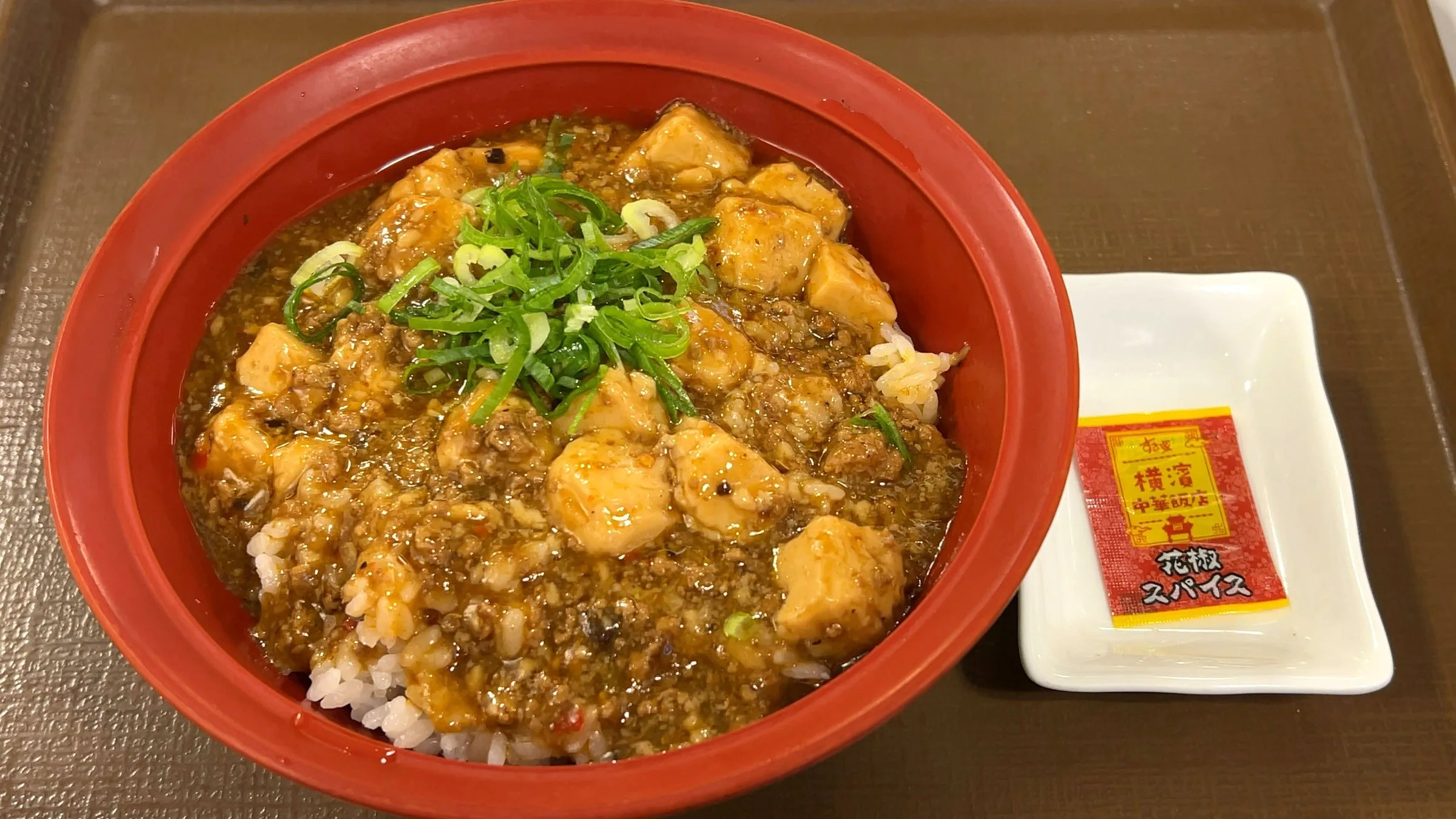
1. Mapo Tofu (麻婆豆腐) — Soft tofu cubes in a spicy sauce of ground pork, fermented black beans, doubanjiang (fermented broad bean paste), and Sichuan peppercorns. Named after a pockmarked old woman who invented the dish in Chengdu in 1862. The most iconic Sichuan dish. Price: ¥30-50. Find it: Chen Mapo Tofu (陈麻婆豆腐) in Chengdu — the original 1862 restaurant.
2. Kung Pao Chicken (宫保鸡丁) — Diced chicken stir-fried with peanuts, dried red chilies, and Sichuan peppercorns. Named after Ding Baozhen, a 19th-century governor of Sichuan. The international Chinese-restaurant favorite has its origins here. Price: ¥40-60. Find it: Shuyi Cheshen (蜀忆陈升) in Chengdu.
3. Twice-Cooked Pork (回锅肉) — Slices of boiled pork belly stir-fried with leeks, ginger, and doubanjiang. The most famous Sichuan home-style dish, with the “twice-cooked” referring to the pork being first boiled then stir-fried. Price: ¥40-60. Find it: Any neighborhood restaurant in Chengdu.
4. Hotpot (火锅) — The defining communal Sichuan dining experience. A pot of boiling broth (the classic Sichuan version is a spicy red broth loaded with dried chilies and Sichuan peppercorns) into which diners cook thin slices of meat, vegetables, mushrooms, and tofu. See our full Chengdu hotpot local guide for the broth science, the dipping sauce formula, and the etiquette. Price: ¥80-150 per person. Find it: Shuzhong Yuan, Xiaolongkan, or any local hotpot restaurant.
5. Dan Dan Noodles (担担面) — Cold or hot wheat noodles served in a sauce of ground pork, chili oil, Sichuan peppercorns, and preserved vegetables. Named after the carrying pole (担子) used by street vendors to sell the dish. Price: ¥15-25 for a bowl. Find it: Any street food stall or small noodle shop.
The next 5 essentials
6. Fish-Fragrant Eggplant (鱼香茄子) — Eggplant stir-fried with garlic, ginger, scallions, and a sweet-sour-spicy sauce. The “fish fragrance” name comes from the seasoning blend traditionally used for fish, not from any fish content. Price: ¥30-50.
7. Boiled Fish in Chili Oil (水煮鱼) — A whole fish in a swimming-pool-sized bowl of red chili oil, topped with dried chilies and Sichuan peppercorns. The most photogenic Sichuan dish and a Chongqing specialty. Price: ¥80-120 for a whole fish.
8. Tea-Smoked Duck (樟茶鸭) — A whole duck smoked over tea leaves and camphor wood, then steamed. The most famous non-spicy Sichuan dish, with a delicate smoky flavor. Price: ¥80-120 for a whole duck.
9. Ants Climbing a Tree (蚂蚁上树) — Cellophane noodles (粉丝) stir-fried with seasoned ground pork, named for the visual resemblance of the pork bits climbing on the noodles. Price: ¥30-45.
10. Saliva Chicken (口水鸡) — Cold poached chicken in a sauce of chili oil, Sichuan peppercorns, garlic, and peanuts. The unusual name comes from the mouth-watering effect of the dish. Price: ¥30-45.
The 5 deep cuts
11. Husband and Wife Lung Slice (夫妻肺片) — Thin slices of beef lung and other offal in a spicy chili oil sauce, named after a married couple who sold the dish in Chengdu in the 1930s. Price: ¥40-60.
12. Mapo Eggplant (麻婆茄子) — A variation of mapo tofu, but with eggplant instead of tofu. A vegetarian favorite. Price: ¥30-45.
13. Camphor Tea Duck alternative (樟茶鸭) — See #8.
14. Spicy Diced Chicken with Peanuts (宫爆鸡丁 alternative) — See #2.
15. Sichuan Cold Noodles (四川凉面) — Cold wheat noodles with sesame paste, chili oil, and Sichuan peppercorns. A summer favorite. Price: ¥15-20 for a bowl.
The 23 cooking methods and 100+ flavor profiles
Sichuan cuisine is one of the most complex Chinese regional cuisines. The official Sichuan cuisine tradition documents 23 distinct cooking methods (including stir-frying, dry-frying, smoking, steaming, and braising) and over 100 distinct flavor profiles (most famously the seven basic combinations of spicy, sweet, sour, salty, bitter, fragrant, and numbing).
The signature “seven basic flavors” (七味) are:
- 麻辣 (málà) — spicy-numbing (the signature)
- 酸辣 (suānlà) — sour-spicy
- 鱼香 (yúxiāng) — fish-fragrant (a complex seasoning blend)
- 家常 (jiācháng) — home-style
- 怪味 (guàiwèi) — strange flavor (a complex blend of all 7 basic flavors)
- 红油 (hóngyóu) — red oil (chili oil)
- 蒜泥 (suànní) — garlic paste
The Chengdu vs Chongqing distinction
Chengdu (成都) is the capital of Sichuan province and the more refined culinary capital. The cuisine emphasizes balance and complexity, with the málà flavor more subtle and the presentation more elegant. Famous Chengdu institutions: Chen Mapo Tofu (the original mapo tofu, since 1862), Shuyi Cheshen (kung pao chicken), and the Wangfujing Snack Street for street food.
Chongqing (重庆) is a separate municipality (since 1997) and the more rustic culinary capital. The cuisine is generally spicier, with a greater focus on hotpot and street food. Famous Chongqing-specific experiences: Chongqing hotpot (the most authentic hotpot, with a heavier peppercorn load), Chongqing small noodles (重庆小面 — a breakfast staple), and the chaotic Jiefangbei Pedestrian Street for street food. Most travelers pair the food trip with a 3-day Chengdu pandas itinerary to see the giant pandas between meals.
Both cities are accessible from each other by high-speed rail (1.5 hours, ¥140).
Where to eat
In Chengdu
- Chen Mapo Tofu (陈麻婆豆腐) — The original mapo tofu, since 1862. Multiple branches in Chengdu, the most famous on the Chunxi Road pedestrian street. Mapo tofu ¥30-50, other Sichuan classics ¥40-80. Cash and Alipay accepted.
- Shuyi Cheshen (蜀忆陈升) — A more recent institution famous for its elevated take on kung pao chicken. The chef de cuisine was trained in the classic 19th-century traditions. Kung pao chicken ¥60, other Sichuan dishes ¥50-150.
- Wangfujing Snack Street (春熙路小吃街) — The pedestrian street in central Chengdu with stalls selling every Sichuan snack. Best for sampling — try dandan noodles, fuqi feipian (husband and wife lung slice), and the egg puffs.
- Local “苍蝇馆子” (cāngyíng guǎnzi, ‘fly restaurant’) — Small, family-run, no-frills restaurants in the residential neighborhoods. The most authentic experience. Look for places with no English menu, no decor, and a crowd of locals.
In Chongqing
- Shuzhong Yuan (蜀中源) — Classic Chongqing hotpot institution. The broth is the most authentic you will find. ¥80-150 per person. Multiple branches in central Chongqing.
- Xiaolongkan (小龙坎) — A more accessible hotpot chain with branches in both cities and internationally. ¥80-120 per person.
- Jiefangbei Pedestrian Street (解放碑步行街) — The central pedestrian street with stalls selling Chongqing street food. Best for sampling the local specialties.
How to order without speaking Chinese
Most Sichuan restaurants have photo menus or English translations on popular dishes. For the most authentic experience, learn a few key phrases:
- 辣不辣? (là bu là?) — “Is it spicy?”
- 微辣 (wēi là) — “Mild”
- 中辣 (zhōng là) — “Medium”
- 重辣 (zhòng là) — “Extra spicy”
- 不辣 (bù là) — “Not spicy”
- 有什么推荐的? (yǒu shénme tuījiàn de?) — “What do you recommend?”
Pointing at the dish on the menu or at another table is universally accepted.
When to come
Sichuan cuisine is excellent year-round. September-November is the best season to visit Chengdu and Chongqing — comfortable weather, the Mid-Autumn Festival food traditions, and the best hotpot weather (not too hot). December-February is the best time for hotpot — the cold weather makes the spicy broth feel like medicine. March-May is the second-best season. June-August is hot and humid but the food is still excellent.
Final tip
Sichuan cuisine rewards adventurous eating. Start with the mild classics (kung pao chicken, tea-smoked duck, twice-cooked pork), work up to the moderately spicy (mapo tofu, dan dan noodles, fish-fragrant eggplant), and graduate to the spicy extremes (boiled fish in chili oil, mala hotpot). The málà sensation is addictive — most people who try real Sichuan food come back craving it. The cuisine has spread worldwide for a reason: it is the most complex, exciting, and ultimately satisfying regional Chinese food tradition. Travelers with allergies, gluten intolerance, or other dietary needs should also read our China dietary restrictions guide before ordering — the local menus are unforthcoming about ingredients.
Plan your trip — verified tools
These free tools are built on real, monthly-verified data and help you skip the trial-and-error phase of China trip planning:
- China 6-City 5-Day Budget Calculator — Real 2026 prices for 5 days in Beijing, Shanghai, Guangzhou, Chengdu, Xi’an, or Hangzhou. Budget / mid-range / comfort tiers, broken down line by line.
- China OTA Comparison 2026 — Trip.com vs Booking.com vs Agoda vs Klook across 5 booking types. Inventory, pricing, foreign card support, English service, per-OTA verdict.
Verified August 2026 by TravelHubChina Editorial. We re-check prices and policy details monthly so the data doesn’t drift.
Step by step
-
Decide on Chengdu or Chongqing + neighborhood
Chengdu is the refined capital — best for classic Sichuan institutions and the original mapo tofu. Stay near Chunxi Road (春熙路) or Jinli for walkable access. Chongqing is the rustic, spicier capital — best for hotpot, Chongqing small noodles (重庆小面), and street food. Both are 1.5 hours apart by high-speed rail (¥140). September-November is the best season for a first visit.
-
Choose your budget tier
Street food / snack: ¥30-60/person (USD 5-8) at Wangfujing Snack Street in Chengdu or Jiefangbei in Chongqing. Casual sit-down: ¥80-150/person (USD 12-20) at a local 苍蝇馆子 (fly restaurant) in residential neighborhoods. Upscale institution: ¥200-500/person (USD 28-70) at famous Chengdu or Chongqing restaurants. Hotpot averages ¥80-150/person. First-timers: casual is the sweet spot — authentic but not punishing.
-
Find a recommended Sichuan restaurant
Chengdu: Chen Mapo Tofu (陈麻婆豆腐, founded 1862) for the original mapo tofu; Shuyi Cheshen (蜀忆陈升) for elevated kung pao chicken; Wangfujing Snack Street on Chunxi Road for street food. Chongqing: Shuzhong Yuan (蜀中源) for the most authentic hotpot; Xiaolongkan (小龙坎) for accessible chain hotpot. Avoid the Chunxi Road branches of famous chains — they cater to tourists and use lower-grade ingredients.
-
Order the 5 must-try signature dishes + 1-2 local specials
Anchor the meal with: mapo tofu (麻婆豆腐, ¥30-50), kung pao chicken (宫保鸡丁, ¥40-60), and twice-cooked pork (回锅肉, ¥40-60). Add 1-2 local specials like dan dan noodles (担担面, ¥15-25) or fish-fragrant eggplant (鱼香茄子, ¥30-50). If your group is adventurous, add boiled fish in chili oil (水煮鱼, ¥80-120) or order hotpot separately. Spice level: say 微辣 (mild) on your first visit — you can always order more chili oil on the side.
-
Pay via Alipay/WeChat Pay, add 10% in upscale places
Most Sichuan restaurants accept Alipay (支付宝) or WeChat Pay (微信支付) — both now support foreign cards via the in-app Tour Pass. Cash (RMB) is also accepted everywhere. Upscale institutions like Shuyi Cheshen or Chengdu's high-end hotpot rooms add a 10-15% service charge; casual and street-food places do not. Save room for saliva chicken (口水鸡, ¥30-45) or tea-smoked duck (樟茶鸭, ¥80-120) if your group has space — the non-spicy duck is the best test of a Sichuan chef's range.
FAQ
-
What is Sichuan food known for?
Sichuan cuisine (川菜 Chuāncài) is one of China's eight great culinary traditions, known for the distinctive 'spicy-numbing' (麻辣 málà) sensation from the combination of dried red chilies and Sichuan peppercorns (花椒 huājiāo). The cuisine uses 23 different cooking methods and over 100 distinct flavor profiles, with the málà sensation being the signature. Other signature techniques include the use of Sichuan peppercorn oil, fermented black beans (豆豉 dòuchǐ), and aged chili paste (豆瓣酱 dòubànjiàng). -
How spicy is Sichuan food really?
Sichuan food is spicier than most Chinese regional cuisines, but the heat is balanced with the numbing sensation from Sichuan peppercorns and a complex blend of other flavors (sweet, sour, salty, savory). The 'málà' sensation is different from the pure heat of Thai or Mexican chilies — it produces a tingling, buzzing feeling on the lips and tongue that many people find addictive. Most Sichuan dishes are medium-spicy by default; you can ask for '微辣' (mild) or '不辣' (not spicy) when ordering. -
Where should I try Sichuan food for the first time?
Chengdu (成都) is the culinary capital of Sichuan cuisine. Start with the classic Chengdu institutions: Chen Mapo Tofu (陈麻婆豆腐) for the original mapo tofu, Shuyi Cheshen (蜀忆陈升) for kung pao chicken, and the Wangfujing Snack Street in the city center for casual street food. For the most authentic experience, visit a local '苍蝇馆子' (cāngyíng guǎnzi, 'fly restaurant' — small, family-run, no-frills) in the residential neighborhoods. Chongqing (重庆) is the second culinary capital, famous for its hotpot. -
What is Sichuan peppercorn and will it make me numb?
Sichuan peppercorn (花椒 huājiāo) is the dried husk of the prickly ash tree, and it's the ingredient that gives Sichuan cuisine its distinctive 'málà' (spicy-numbing) character. It is not actually a pepper or a chili — it is a different plant entirely. The active compound (hydroxy-alpha-sanshool) produces a tingling, buzzing, slightly numbing sensation on the lips and tongue, often described as similar to a mild electric current. The sensation is not unpleasant for most people and is considered the signature of Sichuan cuisine. It is legal in most countries (the US lifted its import ban in 2005). -
Can I eat Sichuan food if I don't like spicy food?
Yes. Sichuan cuisine is not all spicy — it has 23 different cooking methods and over 100 distinct flavor profiles, of which only some are hot. Non-spicy Sichuan dishes include: tea-smoked duck (樟茶鸭 zhāngchāyā), twice-cooked pork (回锅肉 huíguōròu — moderate spice), sweet water noodles (甜水面 tiánshuǐmiàn), steamed pork ribs in rice flour (粉蒸肉 fěnzhēngròu), and many vegetarian dishes. The cuisine uses sweet, sour, and savory flavors extensively. You can also ask for '不辣' (bù là, not spicy) for most dishes. -
What is the difference between Sichuan and Chongqing food?
Sichuan cuisine (川菜) and Chongqing cuisine (渝菜) are closely related but distinct. Both use the málà (spicy-numbing) flavor profile, but Chongqing cuisine is generally spicier, with a greater focus on hotpot and street food. Chongqing was separated from Sichuan province in 1997 to become its own municipality, and the local cuisine has its own distinct identity. Famous Chongqing-specific dishes include Chongqing hotpot (重庆火锅), Chongqing small noodles (重庆小面), and the 'Chongqing hot and sour rice noodles' (酸辣粉 suānlàfěn). -
How much does a Sichuan meal cost for foreigners in 2026?
Budget: ¥30-60 per person for street food or a small neighborhood restaurant. Mid-range: ¥80-150 per person for a sit-down restaurant. Upscale: ¥200-500 per person for a famous institution. Hotpot is typically ¥80-150 per person. Most dishes are designed to be shared, so groups of 2-4 can eat well for ¥150-300 total. The cost is significantly lower than equivalent European or American meals — a comparable meal in Chengdu or Chongqing is roughly 1/3 the price of a similar meal in New York or London. -
Is Sichuan food safe for foreigners with sensitive stomachs?
Sichuan food is generally safe, but the spice level can be challenging for first-timers. Practical tips: start with mildly spicy dishes and work up, drink plenty of water or beer (which helps with the capsaicin), eat some plain rice to buffer the stomach, and have oral rehydration salts (ORS) on hand in case of stomach upset. Most restaurants can adjust the spice level on request. The peppercorn numbing sensation is harmless and subsides within 30-60 minutes. Avoid extremely spicy dishes (like the 'mala challenge' dishes at tourist hotpot restaurants) on your first visit.
Related guides
- Food & Dietary
China Food by City: 8 Cities, 24 Iconic Dishes
A guide to Chinese regional food by city — the 8 most foodie-worthy cities for foreign visitors, the 3 iconic dishes in each, and where to find them. Beijing, Shanghai, Chengdu, Guangzhou, Hong Kong, Xi'an, Hangzhou, Chongqing.
14min read
- Food & Dietary
Peking Duck Guide: How to Eat It, Best Restaurants, History
A practical guide to Peking duck (北京烤鸭) for foreign visitors — the history, how to eat it the traditional way, the 7 best restaurants in Beijing, prices, and how to spot a quality duck.
9min read
- Food & Dietary
Cantonese Dim Sum Guide: 12 Essential Dishes + Tea Etiquette
A practical guide to Cantonese dim sum (点心) for foreign visitors — the 12 essential dishes, how to order from the cart, tea etiquette, where to eat in Guangzhou and Hong Kong, and the famous 饮茶 (yum cha) tradition.
11min read
- Food & Dietary
Street Food in China: 20 Safe Dishes for First-Timers
20 iconic Chinese street foods with pinyin, English names, what they taste like, regional origin, average price in USD, and which ones are safe for first-time visitors. Plus food-safety rules.
10min read
- Food & Dietary
Chengdu's Three Famous Snacks: Dan Dan Noodles, Zhong Dumplings, Long Chao Shou (2026)
Complete guide to Chengdu's iconic snack trio: 担担面 (dan dan noodles), 钟水饺 (Zhong dumplings), and 龙抄手 (Long chao shou). Includes each dish's history, where to find the original restaurants, how to order, what they taste like, average prices, and how these local dishes differ from their national imitations.
7min read
- Food & Dietary
Chengdu Hotpot: The Local's Guide to Sichuan's Fiery Feast (2026)
Complete Chengdu hotpot guide for foreigners: how to order at a local restaurant, the 9-grid pot explained, the 3 essential dipping sauces, ingredient order, spice levels for beginners, the difference between Chengdu and Chongqing styles, and the 7 best hotpot restaurants locals recommend.
9min read