
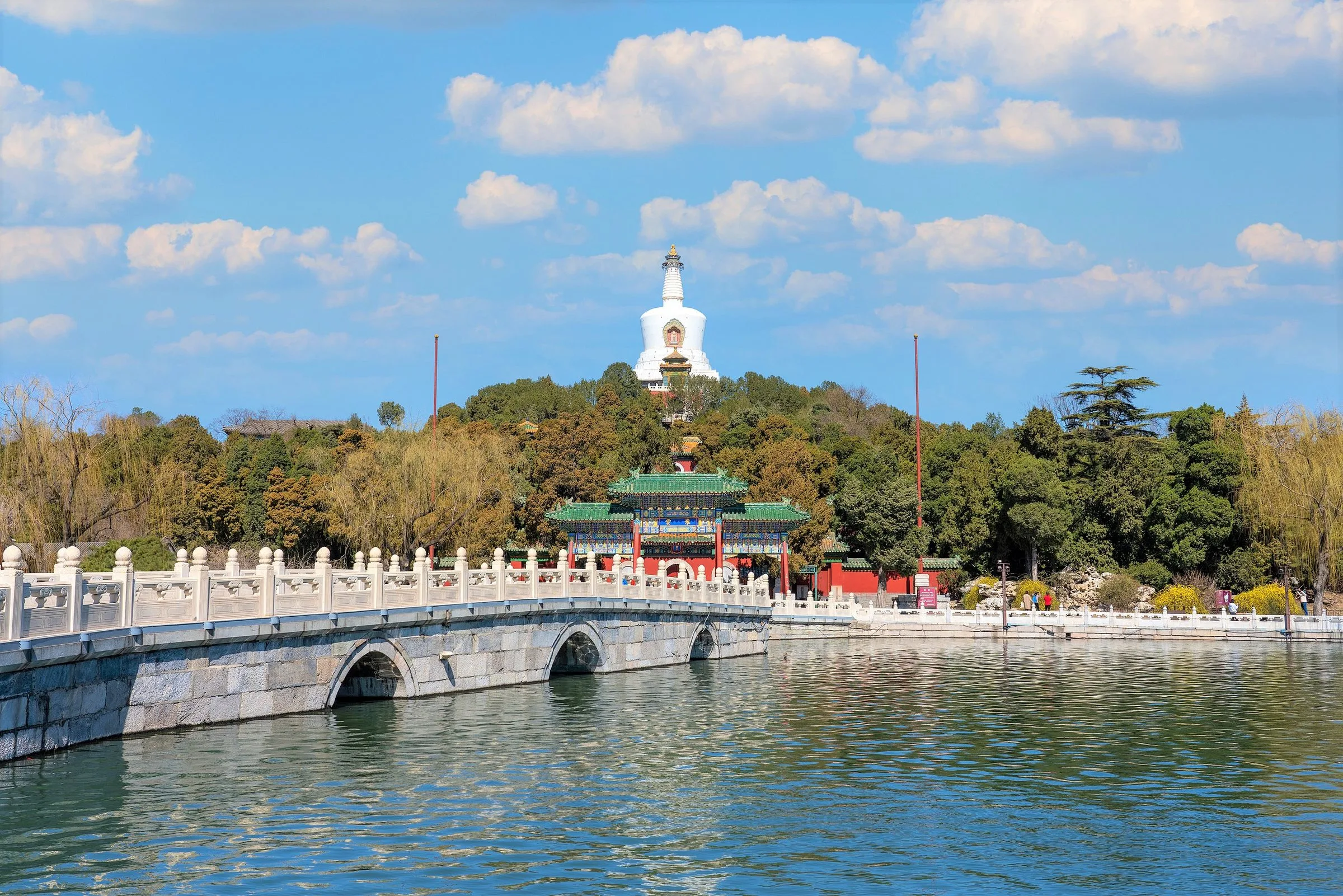
China by Season 2026: Spring, Summer, Fall & Winter
Season-by-season guide to China in 2026: spring blossoms, summer escapes, autumn foliage and winter snow, with the best window for each.
60-second summary: The 4 seasons of China
China’s 4 seasons are dramatically different — each season offers a unique experience, and the ‘best’ season depends on what you want. Spring (March-May): mild weather (5-25°C in the north, 10-28°C in the south), cherry blossoms in Wuhan/Shanghai late March, peach blossoms in Beijing mid-April, fewer crowds than summer. The best spring window: April 10-May 20. Summer (June-August): hot and humid in the east (35°C+ in Beijing, 38°C in Xi’an), cool in the west (Tibet 15-25°C, Inner Mongolia 20-28°C, Yunnan 18-25°C year-round). The east is rough, the west and south are magnificent. Fall (September-November): the consensus best season. Clear skies, comfortable 15-25°C, fall colors in Beijing/Xiancheng mid-October to mid-November. The best fall window: September 15-October 31 (avoiding Golden Week Oct 1-7). Winter (December-February): cold in the north (-10°C in Beijing, -25°C in Harbin), warm in the south (15°C in Guangzhou, 22°C in Hong Kong, 28°C in Sanya). The Harbin Ice Festival in December-February, ski season, fewer tourists, lower prices. The 2 best windows overall: April 10-May 20 and September 15-October 31. The 3 worst times: Chinese New Year (Feb 17, 2026, plus 7-day holiday), National Day Golden Week (Oct 1-7), and late July-August (summer peak). This 7,000-word guide covers every layer of seasonal China travel: the 4 seasons, regional patterns, seasonal events, holiday calendar, regional best-by-season, and 4 season-specific itineraries.
1. The China weather overview
China is a vast country with dramatic climate variation. The same season can be very different in different regions.
The general pattern (the most useful one-liner): “The north is dramatic (4 distinct seasons, cold winters, hot summers), the south is mild (subtropical, no snow in most years, hot humid summers, mild winters), the west is varied (Tibet cold, Yunnan spring-like year-round, Xinjiang extreme).”
Regional climates:
- Northeast (Harbin, Dalian): extreme continental, -25°C in winter, 25°C in summer.
- North China (Beijing, Tianjin, Xi’an): temperate continental, -10°C in winter, 35°C in summer. The 4 most distinct seasons.
- East China (Shanghai, Hangzhou, Nanjing): humid subtropical, 5°C in winter, 35°C in summer. The most humid, the worst ‘sauna days’ in July-August.
- South China (Guangzhou, Shenzhen, Hong Kong, Xiamen): humid subtropical, 10°C in winter, 32°C in summer. No snow in most years. The mildest of the major cities.
- Tropical South (Sanya, Hainan): tropical, 22-28°C year-round. The only year-round beach destination.
- Southwest (Yunnan, Guizhou): subtropical highland (Kunming ‘spring city’ 15-25°C year-round, Dali 10-25°C, Lijiang 5-25°C).
- Tibet, Qinghai: high-altitude, cold year-round. Tibet: -10°C in winter, 15-25°C in summer. The thinnest air, the strongest sun.
- Xinjiang: extreme continental, -20°C in winter, 35°C in summer. The most varied scenery.
The air quality factor: Northern China (Beijing, Tianjin, Xi’an, Shijiazhuang) has the worst air quality, especially in winter (PM2.5 often 100-300+). The south and west are excellent year-round. The air quality is a real consideration for health-sensitive travelers.
2. The 4 best windows for China travel
Based on weather, crowds, prices, and seasonal highlights, the 4 best windows:
(1) April 10-May 20 (spring window 1): mild weather (12-25°C in most regions), cherry blossoms, peach blossoms, fewer crowds than summer, moderate prices. The best spring window.
(2) September 15-October 31 (fall window 1): clear skies, comfortable 15-25°C, fall colors in Beijing/Xiancheng mid-October to mid-November, low humidity. The consensus best window of the year. Avoid the first week of October (Golden Week).
(3) Late November - early December (early winter window): fewer tourists, dry weather, prices low, the start of the Harbin Ice Festival. A ‘secret’ window for travelers who don’t mind the cold.
(4) Early June (late spring window): after the school year, before the worst summer heat. Pleasant weather, lower prices, fewer crowds. A ‘shoulder season’ gem.
The 3 worst windows:
- Chinese New Year (Feb 17, 2026, plus 7-day holiday): 3 billion trips, prices triple, tickets sold out.
- National Day Golden Week (Oct 1-7): 750 million trips, attractions packed, prices spike 50-100%.
- Mid-July to August (summer peak): 35°C+ in the east, 38°C+ in Xi’an/Chongqing, crowded with domestic tourists.
The honest assessment: the 4 best windows are all ‘shoulder season’ or ‘shoulder to peak transition’. The peak season (mid-July-August, Golden Week, Chinese New Year) is when the prices are highest and the crowds are largest. The off-peak (November-March, excluding CNY) is when the prices are lowest and the crowds are smallest, but the weather is more challenging.
3. Spring: flowers and mild weather
Spring is one of the two best seasons for China travel. The weather is mild, the flowers are spectacular, and the prices are reasonable.
The 3 spring highlights:
(1) Cherry blossoms — the most photogenic. The bloom moves from south to north:
- Late January-February: Kunming (the earliest in China)
- Mid-March-early April: Wuhan (the most famous, Wuhan University, free)
- Late March-mid April: Shanghai (Gucun Park, ¥10), Changsha, Nanchang
- Mid-April-early May: Beijing (Yuyuantan Park, ¥2, the largest in Beijing)
(2) Peach and apricot blossoms — mid-April in Beijing, free in many parks.
(3) Peony festival — Luoyang, Henan, mid-April. The most famous peony festival in China. ¥0-30 entry.
Other spring highlights:
- Tulips in Shanghai (April, Shanghai Botanical Garden, ¥15)
- Magnolia in many cities (late March)
- Rapeseed flowers in Yunnan (Luoping, March), Jiangxi (Wuyuan, March)
- Wisteria in many cities (April)
- Great Wall in spring green
- Hiking in the mountains (Huangshan, Zhangjiajie, Mount Emei)
Best spring cities: Wuhan, Beijing, Shanghai, Hangzhou, Luoyang, Changsha, Huangshan, Mount Emei, Xi’an.
The weather:
- March: variable, 5-18°C in Beijing, 8-20°C in Shanghai, 12-25°C in Guangzhou.
- April: mild and pleasant, 12-25°C in most regions.
- May: warm, 18-30°C in most regions.
- Rain is moderate, mostly in April.
Crowds: lighter than summer, but the May Day Golden Week (May 1-5) is busy.
Prices: moderate, slightly higher than winter.
Tips:
- Book hotels 2-3 months ahead for the popular cherry blossom destinations.
- Check the bloom forecast 1-2 weeks ahead.
- Bring layers (5-25°C, temperature swings).
- Bring an umbrella.
- The 3 best spring weekends: early April (Wuhan), mid-April (Beijing), late April (Luoyang).
4. Summer: escape to the west
Summer is the most variable season for China. The east is hot and humid, the west and south are magnificent.
The 3 summer destinations:
(1) Tibet — the most spectacular. 15-25°C, dry, the thinnest air, the most stunning scenery. Lhasa, Shigatse, Mount Everest Base Camp north side, Namtso Lake, Yamdrok Lake. The only viable window is May-October. The most beautiful in May-June (less rain) and September-October (clear skies).
(2) Inner Mongolia — the most pleasant summer. 20-28°C, vast grasslands, yurt stays, horseback riding, the Naadam festival in July (wrestling, horse racing, archery). Hulunbuir is the most beautiful, with the most spectacular grasslands.
(3) Yunnan — the year-round destination. 18-25°C in Kunming (the ‘spring city’), Dali, Lijiang, Shangri-La. The rice terraces fill up in May-June (most beautiful). July-August is the rainy season (less ideal for trekking).
Other summer destinations:
- Xinjiang (Urumqi, Kanas Lake, 20-28°C, the most spectacular scenery)
- Qinghai (Qinghai Lake, 15-22°C)
- Hainan (Sanya, 28°C, beach, the only year-round beach)
- Mountain escapes (Huangshan, Mount Emei, Wudangshan, Mount Qingcheng)
The east in summer (Beijing, Shanghai, Xi’an, Hangzhou, Nanjing): hot (35°C+ in July-August), humid, the ‘sauna days’ (桑拿天) are brutal. The cities are best avoided in late July-August.
Tips for summer travel:
- Bring SPF 50+ sunscreen, hat, light loose light-colored clothing.
- Drink 3+ liters of water per day.
- Start sightseeing early (6-7am), take a midday siesta, resume 4-7pm.
- Use the metro (not walking) for long distances.
- The summer peak (late July-August) is the most crowded and expensive.
- The 4-week window from mid-August to mid-September (after the worst heat, before the crowds) is the best summer window.
The honest assessment: summer in China is split. The east is rough, the west and south are magnificent. For foreign tourists who want the most pleasant summer experience, the west (Tibet, Inner Mongolia, Xinjiang, Yunnan) is the answer. For beach lovers, Sanya is the year-round option.
5. Fall: the consensus best season
Fall is widely considered the best season for China travel. The weather is ideal, the colors are spectacular, the prices are reasonable, and the crowds are manageable (except Golden Week).
The 5 fall highlights:
(1) Fall colors in Beijing — the most famous. Mid-October to mid-November. The most iconic spots: Diaoyutai (the ginkgo tunnel, free), Fragrant Hills (¥10, the largest scale, 1.5M visitors in peak weeks), Temple of Earth (¥2), Temple of Heaven (¥15), the Summer Palace (¥30).
(2) Xiancheng / Huizhou ancient villages in Anhui — the most photogenic. Late October to late November. The Hongcun, Xidi, Lucun, Nanping villages. ¥100-150 entry. The most Instagram-worthy fall destination in China.
(3) Jiuzhaigou — the most spectacular. Mid-October to early November. ¥220 + shuttle ¥90. The multi-colored lakes in fall colors. The most beautiful place in China in fall.
(4) Rice terraces — Longji (Guangxi, late September-late October), Yuanyang (Yunnan, late September-late October). The harvest season. The most photogenic agricultural landscape in China.
(5) Great Wall in fall colors — mid-October to mid-November. Mutianyu and Jinshanling are the most photogenic. The most iconic ‘fall Great Wall’ photos.
Other fall highlights:
- Ginkgo at the Beijing Temple of Earth (¥2, mid-November)
- Osmanthus at Hangzhou West Lake (October, free)
- Wuyuan in Jiangxi (¥105, late October-mid November)
- Yangshuo/Guilin karst in fall colors (mid-October-mid November)
- Mount Emei fall colors (October-November, ¥160)
- Lhasa in fall (September-October, the most stable weather, the best for the Tibet Permit)
The weather:
- September: 20-28°C in most regions. Still feels like summer in the south.
- October: the consensus best month. 15-22°C in the north, 18-23°C in the east, 22-26°C in the south. Clear skies, low humidity.
- November: 5-15°C in the north, 12-20°C in the east, 16-22°C in the south. Cooling rapidly.
Crowds: the National Day Golden Week (Oct 1-7) is the worst week. After Golden Week (Oct 8 to mid-November) is excellent.
Prices: moderate, with a Golden Week spike. Lower than spring.
Tips:
- Avoid the first week of October (Golden Week).
- Book hotels 2-3 months ahead for the popular fall destinations (Beijing, Huangshan, Jiuzhaigou, Xiancheng).
- Plan for 1-2 weeks of flexibility (the peak varies by 1-2 weeks).
- The 4-week window from mid-September to mid-October is the consensus best window of the year.
6. Winter: dramatic cold and warm escapes
Winter in China is split between the dramatic cold of the north and the mild weather of the south.
The 5 winter destinations:
(1) Harbin — the most spectacular. -15°C to -25°C in January. The Harbin Ice and Snow Festival (late December to late February, peak January). The largest ice festival in the world. ¥330 entry to Harbin Ice and Snow World. The bucket list winter experience.
(2) Inner Mongolia — the most extreme. -30°C to -40°C in Hulunbuir. The coldest places in China. The most dramatic winter landscapes. The ice fog, the frozen lakes, the reindeer.
(3) Sanya, Hainan — the warm escape. 22-28°C year-round. The Hawaii of China. Beach, diving, golf, the most pleasant winter in China.
(4) Yunnan — the spring city. 15°C in Kunming year-round, 5-10°C in Dali/Lijiang. Mild winter, less crowded, lower prices.
(5) Ski resorts — Yabuli (Heilongjiang, ¥400-700/day, the best in China), Chongli (near Beijing, 2022 Winter Olympics, ¥300-500/day), Songhua Lake (Jilin, ¥300-500/day). The ski season runs November-March.
The weather:
- North: -10°C to 5°C in Beijing, -15°C to -25°C in Harbin, -20°C to 0°C in Urumqi.
- Central: 0-10°C in Shanghai, Hangzhou, Nanjing, Wuhan. Humid, no snow in most years.
- South: 10-20°C in Guangzhou, 12-18°C in Xiamen, 15-22°C in Hong Kong, 22-28°C in Sanya.
- Southwest: 5-15°C in Kunming, 0-10°C in Dali, -5 to 10°C in Lijiang, -10 to 5°C in Shangri-La.
Crowds: lower than any other season (except Chinese New Year, Feb 17-22, 2026).
Prices: lowest of the year (except Chinese New Year).
Tips:
- North: bring serious winter gear (down coat rated to -20°C, gloves, hat, scarf, insulated boots).
- South: light jacket is enough.
- Yunnan: layer, altitude varies.
- Sanya/Hainan: 22-28°C is beach weather year-round.
- Avoid Chinese New Year (Feb 17-22, 2026, the worst week of the year).
The honest assessment: winter is the most underrated season for China. The north is dramatic (cold, ice festivals, snow), the south is mild and pleasant, the prices are low, the crowds are smaller. For the most unique experience: Harbin Ice Festival. For the most pleasant escape: Sanya, Hong Kong, or Yunnan.
7. The regional best-by-season
Different regions have different ‘best’ seasons. Here’s the breakdown:
Beijing: best in fall (mid-September to mid-November), good in spring (mid-April to mid-May), dramatic in winter (Great Wall in snow), tough in summer (hot and humid).
Shanghai: best in fall (October-November) and spring (March-May), tough in summer (35°C+), mild in winter (no snow most years).
Xi’an: best in spring (April-May) and fall (September-November), dramatic in winter (City Wall in snow), hot in summer.
Chengdu: best in fall (October-November) and spring (March-May), humid in summer, mild in winter.
Guilin/Yangshuo: best in fall (October-November) and spring (April-May), good year-round, hot in summer.
Kunming/Dali/Lijiang (Yunnan): year-round destination, best in spring (March-May) and fall (September-November).
Tibet (Lhasa, Everest Base Camp): only May-October, best in May-June and September-October.
Sanya (Hainan): year-round beach destination, best in winter (November-March) for the warm weather.
Harbin: only December-February, peak in early-mid January for the Ice Festival.
Hong Kong: year-round destination, best in fall (October-November) and spring (March-May), humid in summer, mild in winter.
Sichuan (Mount Emei, Jiuzhaigou): best in fall (October-November) and spring (April-May), hot in summer (except the mountains), cold in winter (except the lower elevations).
Xinjiang (Urumqi, Kanas, Turpan): best in fall (September-October), good in summer (June-August, hot in Turpan), tough in winter (-20°C in Urumqi).
The general pattern: the 4-week window from mid-September to mid-October is the consensus best window for most of China. The 2nd best window is April 10-May 20.
8. Pre-trip checklist (8-4-2-1 months)
8 months before:
- Decide on the season based on priorities (best weather = April or October, unique experience = winter festivals, budget = winter excluding CNY, etc.)
- Book international flights 4-6 months ahead for peak, 2-3 months for shoulder.
- Check the Chinese visa requirements for your nationality.
- If going to Harbin (winter) or Tibet (summer), book 3-4 months ahead (limited supply).
4 months before:
- Book the HSR or sleeper train tickets for the first 2-3 legs of the route.
- Book the most popular hotels (Great Wall hotels, Jiuzhaigou lodges, Harbin hotels, Xiancheng homestays) 2-3 months ahead.
- Buy travel insurance.
- Apply for the visa if needed (4-7 days for L-visa).
2 months before:
- Verify all bookings.
- Check the seasonal forecast (cherry bloom, fall foliage peak, Ice Festival dates).
- Refill any medications.
- Set up Alipay and WeChat Pay.
- Buy an eSIM (Airalo or Holafly).
1 month before:
- Pack for the season.
- Verify passport (6+ months validity, 2+ blank pages).
- Check the weather forecast 1 week, 3 days, and 1 day before your trip.
- Notify home bank of travel dates.
- Set up out-of-office email.
Day 1 in China:
- Arrive, get to your hotel, set up Alipay/WeChat Pay at a café, walk the area, get oriented.
- Check the seasonal highlights calendar (any events during your stay?).
- The 5-week window from mid-September to mid-November is the consensus best.
Ready-made tools (book this trip)
China eSIM — flexible for any season
Get data on landing for navigation, translation, and seasonal event planning. 1-3 GB plans from $5, 5-30 day options, China Mobile network. Critical for any season — check air quality, weather, bloom forecasts in real-time.
5 GB / 30 days: $16 · 10 GB / 30 days: $28
Unlimited data eSIM for seasonal travel
Best for data-heavy seasonal travel (live streaming the cherry blossoms, fall foliage, Ice Festival). Unlimited data plans for $45-60/30 days. Critical for any season with photo/video needs.
Unlimited / 30 days: $57
Seasonal hotel + HSR booking
China's biggest OTA, English interface, foreign cards accepted. Book HSR tickets, hotels, sleeper trains, attraction tickets in one cart. Critical for the seasonal destinations (Harbin, Xiancheng, Jiuzhaigou) that book out 2-3 months ahead.
HSR from $15 · Hotels from $35/night
Seasonal travel insurance
$40-60/month, covers 180+ countries including China, emergency medical, evacuation, trip interruption, COVID-19 included. Critical for seasonal activities (skiing, hiking, water sports).
$56/month · Cancel anytime
Related guides
For more on seasonal China travel, see our dedicated articles:
Seasonal hubs:
Seasonal destinations:
- Harbin Ice Festival Guide 2026
- Harbin Winter Travel Guide
- Yabuli Snow Village
- Beijing Travel Guide
- First Time in Shanghai Guide
- Hangzhou West Lake Complete Guide
- Guilin Li River Cruise
- Huangshan Scenic Guide
- Jiuzhaigou Scenic Guide
- Zhangjiajie Scenic Guide
- Lhasa Tibet Travel Guide
Cities by season:
- Beijing in Spring
- Shanghai in Spring
- Hangzhou in Spring
- Yangshuo in Fall
- Jiuzhaigou in Fall
- Harbin in Winter
Companion guides:
- China for Digital Nomads & Remote Work
- China on a Budget 2026 (Backpacker Guide)
- China for Wheelchair & Mobility Travelers
- China LGBTQ+ Travel Guide
- China Expat Long-Term Living Guide
Practical:
Step by step
-
Step 1: Choose your travel season based on priorities (12-6 months before)
Decide which season matches your priorities. (1) Best weather + fall colors: October 8-November 15 (after Golden Week, peak foliage). The consensus best window. (2) Spring flowers + mild weather: April 10-May 20 (after Qingming, before May Day). The best spring window. (3) Festivals + snow: December 20-February 10 (Harbin Ice Festival, winter festivals, Chinese New Year decoration). The most unique. (4) Summer escapes + beach: June 1-July 15 (early summer, before the worst heat and crowds) or September 1-15 (after school starts, before fall). The summer alternatives. (5) Budget + authentic: December 1-January 31 (excluding Chinese New Year, the lowest prices, the fewest tourists). The best value. (6) Cherry blossom specific: March 15-April 5 (Wuhan, Shanghai, Beijing, varies). The most photogenic. (7) Fall foliage specific: October 15-November 15 (Beijing, Xiancheng, Jiuzhaigou, varies). The most photogenic. Once you've chosen your season: book international flights 4-6 months ahead for shoulder/peak seasons, 2-3 months for low seasons. Book domestic flights and HSR 1-2 months ahead for shoulder/peak, 2-4 weeks for low. Book hotels 2-3 months ahead for the popular destinations (Beijing, Shanghai, Harbin, Xiancheng, Jiuzhaigou), 1 month for off-the-beaten-path.
-
Step 2: Plan your route based on the season (3-4 months before)
Choose your route based on the season. (1) Spring (April-May): Beijing + Xi'an + Luoyang (peonies) + Wuhan (cherry blossoms) + Shanghai + Hangzhou (West Lake in spring). (2) Summer (June-August): Beijing (early June) + Xi'an + Chengdu (Mount Emei) + Inner Mongolia (Hulunbuir) + Tibet (Lhasa) + Yunnan (Shangri-La) + Hainan (Sanya). (3) Fall (September-November): Beijing + Xi'an + Jiuzhaigou + Xiancheng (Huizhou) + Huangshan + Hangzhou + Yangshuo. (4) Winter (December-February): Harbin (Ice Festival) + Inner Mongolia (Hulunbuir) + Beijing (Great Wall in snow) + Xi'an + Sanya (escape to warm south). (5) Cherry blossom specific: Beijing + Wuhan + Shanghai + Hangzhou. (6) Fall foliage specific: Beijing + Xiancheng + Huangshan + Jiuzhaigou + Wuyuan. (7) Silk Road fall: Xi'an + Tianshan + Kanas + Hemu + Dunhuang. Once you've chosen your route: book the HSR or sleeper train tickets for the first 2-3 legs. Book internal flights (e.g., Beijing-Chengdu, Shanghai-Lijiang) 1-2 months ahead. Book the most popular hotels (the Great Wall hotels, Jiuzhaigou lodges, Harbin hotels) 2-3 months ahead.
-
Step 3: Plan the seasonal activities and events (1-2 months before)
Build your itinerary around the seasonal highlights. (1) Spring: cherry blossom parks (Wuhan University, Shanghai Gucun, Beijing Yuyuantan), Luoyang Peony Festival, Great Wall in green, Mount Emei flowers, Hiking Huangshan. (2) Summer: Inner Mongolia grasslands, Tibet (Lhasa, Mount Everest Base Camp), Qinghai Lake, Hainan beach, water sports, mountain escapes. (3) Fall: Great Wall in fall colors, Xiancheng Huizhou, Jiuzhaigou, Wuyuan rice terraces, Beijing ginkgo, Hangzhou osmanthus. (4) Winter: Harbin Ice and Snow Festival, Yabuli ski resort, Chongli ski resort, Inner Mongolia ice landscapes, Great Wall in snow, Sanya beach, hot springs. Check the seasonal event calendar: (a) Cherry bloom forecast: check Wuhan/Shanghai tourism social media 1-2 weeks ahead. (b) Fall foliage peak: check Beijing/Xiancheng tourism social media 1-2 weeks ahead. (c) Harbin Ice Festival dates: usually late December to late February. (d) Local festivals: check the city tourism office. (e) Lunar calendar: avoid Chinese New Year (Feb 17, 2026), Qingming (Apr 5), Dragon Boat (May 31), Mid-Autumn (Sep 25), National Day (Oct 1-7). The seasonal highlights are the most photogenic and most memorable parts of a China trip. Plan your route around them.
-
Step 4: Pack and prepare for the season (2-4 weeks before)
Pack for the season. (1) Spring (March-May): light jacket, layers (5-25°C in the north, 10-28°C in the south), umbrella, light long-sleeved shirts, comfortable walking shoes, light raincoat, allergy medicine if sensitive. (2) Summer (June-August): SPF 50+ sunscreen, hat, sunglasses, light loose light-colored clothing, comfortable walking shoes (not sandals for hiking), light long-sleeved shirt for indoor AC, hand fan, water bottle, swimwear for the beach. (3) Fall (September-November): layers (5-25°C in the north, 10-25°C in the south), light jacket, comfortable walking shoes, camera (for the colors), light gloves for late November. (4) Winter (December-February): down coat (rated to -20°C in the north), insulated pants, waterproof boots, gloves, hat, scarf, hand warmers, thermal underwear, layered clothing. For Harbin Ice Festival: full winter gear. For Sanya in winter: light jacket. (5) General: always bring a refillable water bottle, a portable umbrella, a universal power adapter, comfortable walking shoes, a day pack, and quick-dry clothing. Check the weather forecast 1 week, 3 days, and 1 day before your trip. Have a flexible itinerary in case of weather changes. The seasonal preparation is a real factor in enjoying China — the heat of summer and the cold of winter are the two main risks.
-
Step 5: Be flexible and adapt to the season (during your trip)
Adapt to the season during your trip. (1) Spring: bring an umbrella, plan for occasional rain, check cherry blossom forecasts daily, visit parks in the morning for the best flowers. (2) Summer: start early (6-7am) for outdoor activities, take a midday siesta in your hotel or a museum, resume sightseeing 4-7pm, drink lots of water, use the metro (not walking) for long distances, choose indoor or water-based activities. (3) Fall: the most forgiving season, but layer for the temperature changes, book popular fall destinations in advance, plan around Golden Week if you must. (4) Winter: in the north, take advantage of the warm indoor activities (museums, hot pot, hot springs, indoor markets), take the metro not walking, embrace the cold (ice sculptures, snow scenery), book transportation in advance (winter weather can cause delays). The seasonal flexibility is the key to enjoying China year-round. Each season has its highlights and challenges. The best trips plan around the highlights and prepare for the challenges. The honest assessment: China is a year-round destination, but the spring (April-May) and fall (September-November) are the consensus best. Summer is tough in the east, winter is dramatic in the north. The 4-week window from mid-September to mid-October is the consensus best window of the year.
FAQ
-
What is the best time of year to visit China in 2026?
The 3 best windows: (1) April 10-May 20 (spring) — pleasant 15-25°C, cherry blossoms in Wuhan/Shanghai late March, peach blossoms in Beijing mid-April, manageable humidity, before the May Day rush. The best window overall. (2) September 15-October 31 (autumn) — clear skies, comfortable 15-25°C, fall colors in Beijing/Xiancheng mid-October to mid-November, low humidity, after the National Day Golden Week. (3) Late November - early December (early winter) — fewer tourists, dry weather, prices low, Harbin Ice Festival opens late December. The 3 worst times: (1) Chinese New Year (Feb 17, 2026, plus 7-day holiday) — biggest travel rush of the year, prices triple, tickets sold out weeks in advance. (2) National Day Golden Week (Oct 1-7) — every Chinese person on vacation, attractions packed, prices high. (3) Mid-July to August (summer peak) — hot and humid, crowded with domestic tourists, high prices. The honest assessment: April and September-October are the consensus 'best' months. For specific experiences: cherry blossoms March-April, fall foliage October-November, ice festival December-February, summer escapes June-August (in the west or south). For most travelers, aim for April 10-May 20 or September 15-October 31. The shoulder seasons (early June, late August) are also excellent — fewer crowds, lower prices, decent weather. -
What is China like in spring (March-May)?
Spring is one of the two best seasons for China travel. Weather: March is variable (5-18°C in Beijing, 8-20°C in Shanghai), April is mild and pleasant (12-25°C Beijing, 15-25°C Shanghai, 18-28°C Guangzhou), May is warm (18-30°C Beijing, 22-28°C Shanghai). Rain is moderate, mostly in April. Highlights: (1) Cherry blossoms in Wuhan (late March to early April, the most famous), Shanghai, Changsha. (2) Peach/apricot/pear blossoms in Beijing (mid-April). (3) Tulips in Shanghai (April). (4) Rapeseed flowers in Yunnan (Luoping, March). (5) May snow on the mountains in western China. (6) Misty landscapes in southern China (the famous 水墨画 effect). (7) The Great Wall in spring — green hillsides, fewer tourists. (8) Hiking in the mountains (Huangshan, Zhangjiajie, Mount Emei). Crowds: lighter than summer, but the May Day Golden Week (May 1-5) is busy. Prices: moderate, slightly higher than winter. Best cities for spring: (1) Wuhan (cherry blossoms, ¥10 entry at Wuhan University). (2) Beijing (apricot blossoms, less crowded than autumn). (3) Shanghai (cherry blossoms at Gucun Park, ¥10). (4) Hangzhou (West Lake in spring, ¥0). (5) Luoping, Yunnan (rapeseed flower sea, ¥100). (6) Changsha (cherry blossoms, ¥0 at Yuelu Mountain). (7) Huangshan (hiking, ¥190 entry, March-May is best). (8) Mount Emei (¥160 entry, spring flowers). (9) Xi'an (cherry blossoms at Qinglong Temple, ¥0). The honest assessment: spring is the most underrated season for China. The flowers are spectacular, the weather is mild, the prices are reasonable, and the crowds are smaller than summer or Golden Week. -
What is China like in summer (June-August)?
Summer is the most variable season for China. Weather: hot and humid in the east (35°C+ Beijing, 38°C Xi'an, 35°C+ Shanghai, 40°C+ Chongqing in August), cool in the west (Tibet 15-25°C, Inner Mongolia 20-28°C, Yunnan 18-25°C year-round, Qinghai 15-22°C). The east has 3-4 weeks of '桑拿天' (sauna days) in July-August when humidity + heat is brutal. Highlights: (1) Tibet (Lhasa, Shigatse, Mount Everest Base Camp north side) — coolest summer destination. (2) Inner Mongolia (Hohhot, Hulunbuir grasslands) — the most pleasant summer weather in China. (3) Yunnan (Kunming 'spring city' 25°C year-round, Shangri-La, Dali). (4) Qinghai (Qinghai Lake, average 15-22°C). (5) Hainan (Sanya 28°C, beach, tropical). (6) Xinjiang (northern loop, Urumqi, Kanas Lake, 20-28°C). (7) Mountain escapes (Huangshan, Mount Emei, Mount Qingcheng, Wudangshan). (8) Indoor escapes (Shanghai Museum, National Museum Beijing, museums in any city — air conditioned). Crowds: high, especially late July-August when families are on summer break. Prices: high, 30-50% above spring/fall. Tips for summer travel: (a) East China: start sightseeing at 6-7am, take a midday siesta, resume 4-7pm. Drink lots of water. Wear light, loose, light-colored clothing. Use sunscreen (SPF 50+). (b) West China: ideal summer weather, regular sightseeing works. (c) North China: 35°C+ is common, plan around the heat. (d) For Sanya/Hainan: 28°C is perfect beach weather. The honest assessment: summer in the east of China is rough for foreign tourists who aren't used to the heat. The west and south are magnificent. The 'China summer travel' that most Chinese do is to escape the cities to the mountains, beaches, or western regions. Foreign tourists should plan similarly. -
What is China like in fall (September-November)?
Fall is widely considered the best season for China travel. Weather: September is warm-to-mild (20-28°C Beijing, 25-30°C Shanghai, 22-28°C Guangzhou), October is the consensus best month (15-22°C Beijing, 18-23°C Shanghai, 22-26°C Guangzhou), November is cool (5-12°C Beijing, 12-18°C Shanghai, 16-22°C Guangzhou). Clear skies, low humidity, minimal rain. Highlights: (1) Fall colors in Beijing (mid-October to mid-November) — the most famous, with red ginkgo leaves at Diaoyutai, Fragrant Hills, Temple of Earth, ¥2-10. (2) Fall colors in Xi'an (mid-October to mid-November) — ginkgo at the Small Wild Goose Pagoda, ¥0. (3) Fall colors in Yangshuo/Guilin (mid-October to mid-November) — spectacular karst with fall colors. (4) Xiancheng/Anhui (Huizhou) — the most famous fall colors in China, late October to late November. (5) Jiuzhaigou (mid-October to early November) — the most spectacular fall colors in China, ¥220 + shuttle ¥90. (6) Rice terraces (Longji in Guangxi, Yuanyang in Yunnan) — late September to late October, during the harvest. (7) Beijing in fall — the most beautiful city in China, with the Great Wall in fall colors. (8) Hangzhou West Lake in fall — the osmanthus flower in October, ¥0. Crowds: the National Day Golden Week (Oct 1-7) is the worst week. After Golden Week (Oct 8 to mid-November) is excellent. Prices: moderate, with a Golden Week spike. Tips for fall travel: (a) Avoid the first week of October. (b) Mid-October to mid-November is the consensus best window. (c) Book hotels 2-3 months ahead for the popular fall destinations (Beijing, Huangshan, Jiuzhaigou). (d) The fall colors peak varies by 1-2 weeks each year depending on temperature. The honest assessment: fall is the consensus best season for most of China. The weather is ideal, the colors are spectacular, the prices are reasonable (except Golden Week), and the crowds are manageable (except Golden Week). The 4-week window from mid-September to mid-October is the consensus best window of the year. -
What is China like in winter (December-February)?
Winter in China is dramatically different by region. Weather: (1) North (Beijing, Tianjin, Xi'an, Harbin): cold (-10°C to 5°C in Beijing, -25°C in Harbin), dry, occasional snow. (2) Central (Shanghai, Hangzhou, Nanjing, Wuhan): cool (0-10°C), humid, no snow in most years. (3) South (Guangzhou, Shenzhen, Hong Kong, Xiamen, Sanya): mild (10-20°C in Guangzhou, 15-22°C in Hong Kong, 22-28°C in Sanya). (4) Southwest (Yunnan, Sichuan, Guizhou): cool to cold depending on altitude (15°C in Kunming year-round, 5°C in Shangri-La, -5°C in Daocheng). Highlights: (1) Harbin Ice and Snow Festival (Dec-Feb, peak January) — the largest ice festival in the world, ¥330 entry to Harbin Ice and Snow World. (2) Inner Mongolia (Hulunbuir, Genhe) — extreme cold (-30°C to -40°C), the coldest places in China, incredible winter landscapes, ice fog. (3) Yabuli Ski Resort (Heilongjiang) — the best ski resort in China, ¥400-700/day. (4) Chongli Ski Resorts (near Beijing) — the ski resorts built for the 2022 Winter Olympics. (5) Great Wall in snow — Mutianyu, Jinshanling in snow are spectacular. (6) Warm south — Sanya, Hong Kong, Guangzhou, Xiamen in winter are the best — warm, no crowds, low prices. (7) Hot springs — throughout northern China, ¥100-300. (8) Chinese New Year (Feb 17, 2026) — the biggest cultural event, but travel is difficult (everyone is moving). Crowds: lower than other seasons, except Chinese New Year. Prices: lowest of the year (except Chinese New Year, Spring Festival travel rush). Tips for winter travel: (a) North: bring heavy coat, gloves, scarf, hat. (b) South: light jacket is enough. (c) Yunnan: layer, altitude varies. (d) Sanya/Hainan: 22-28°C is beach weather year-round. The honest assessment: winter is split — the north is dramatic (cold, ice festivals, snow), the south is mild and pleasant, the prices are low, the crowds are smaller. For the most unique winter experience: Harbin Ice Festival + Inner Mongolia. For the most pleasant winter escape: Sanya/Hainan + Hong Kong + Yunnan. -
When is cherry blossom season in China?
The cherry blossom season moves from south to north as spring progresses: (1) Late January - February: Kunming, Yunnan (Yuantong Hill, ¥10). The earliest cherry blossoms in China. (2) Late February - early March: Guangzhou, Shenzhen, Hong Kong. (3) Mid-March - early April: Changsha, Wuhan (Wuhan University ¥0, East Lake ¥60, the most famous), Nanchang. (4) Late March - mid-April: Shanghai (Gucun Park ¥10, Tongji University ¥0, the most accessible for tourists), Suzhou, Hangzhou. (5) Mid-April - early May: Beijing (Yuyuantan Park ¥2, the largest cherry blossom park in Beijing), Tianjin, Qingdao. The peak bloom lasts 7-10 days at each location. The most famous: Wuhan University cherry blossoms (free, mid-March, the most photographed in China), Shanghai Gucun Park (¥10, the largest cherry blossom park in Shanghai), Beijing Yuyuantan Park (¥2, the largest in Beijing). Other spring blossoms: (1) Peach blossoms: Beijing mid-April, peach blossom festivals. (2) Apricot blossoms: Beijing mid-April. (3) Pear blossoms: Anyang (Henan) early April. (4) Magnolia: late March. (5) Tulips: Shanghai April. (6) Rapeseed: Luoping (Yunnan) March, Wuyuan (Jiangxi) March. (7) Peony: Luoyang (Henan) mid-April (the most famous). Tips: book hotels 2-3 months ahead for the peak, arrive 1-2 days before the predicted peak, check social media for real-time bloom updates. -
When is the fall foliage season in China?
The fall foliage season moves from north to south as autumn progresses: (1) Late September - early October: Greater Khingan Mountains (Inner Mongolia, the earliest and most spectacular), northern Xinjiang (Kanas, Hemu). (2) Mid-October: Beijing (the most famous — Diaoyutai, Fragrant Hills, Temple of Earth, ¥2-10, the largest scale), Xi'an, Jinan, Qingdao. (3) Late October: Yangshuo/Guilin (spectacular karst + fall colors), Nanjing (Purple Mountain, ¥0), Suzhou, Hangzhou. (4) Early-mid November: Xiancheng/Anhui (the most famous, Huizhou ancient villages, ¥100-150), Wuyuan (Jiangxi, ¥105), Wuyi Mountains (Fujian). (5) Mid-late November: Southern China (Guangzhou, Shenzhen, Hong Kong) — late and less dramatic. The peak color lasts 2-3 weeks at each location. The most famous: (1) Beijing Fragrant Hills (¥10, 1.5M visitors in peak weeks, the most crowded). (2) Xiancheng/Anhui (¥100-150, the most photogenic ancient village + fall colors). (3) Jiuzhaigou (¥220 + shuttle ¥90, mid-Oct to early Nov, the most spectacular). (4) Wuyuan (¥105, late Oct-mid Nov). (5) Greater Khingan (free to remote areas, the earliest and most vast). Tips: book hotels 1-2 months ahead for the popular destinations, plan for 1-2 weeks of flexibility (the peak varies by 1-2 weeks), the 'peak' is usually 1-2 days of full color, so arrive slightly before. -
When is Harbin Ice and Snow Festival?
The Harbin International Ice and Snow Festival is one of the largest winter festivals in the world. Dates: late December to late February (peak in early-mid January). The official opening ceremony is usually late December, but the festival runs through late February. The ice sculptures and snow sculptures are typically built in late November and persist until late February. Highlights: (1) Harbin Ice and Snow World (哈尔滨冰雪大世界, ¥330 entry) — the largest ice sculpture park in the world, with massive ice buildings lit up at night in colored lights. The 2025-2026 festival is expected to be one of the largest. (2) Sun Island Snow Sculpture Art Expo (太阳岛雪雕艺术博览会, ¥240 entry) — massive snow sculptures. (3) Zhaolin Park Ice Lantern Garden Party (兆麟公园冰灯游园会, ¥0-50) — the original, more traditional ice lantern exhibition. (4) Central Street (中央大街) — the historic pedestrian street, Russian-influenced architecture, ice cream at -20°C (the famous 哈尔滨马迭尔 ice cream). (5) Harbin Polarland (¥260) — the polar ocean park, ice penguins, polar bears. (6) Siberian Tiger Park (¥90 + shuttle) — see Siberian tigers in the snow. (7) Yabuli Ski Resort (1.5h drive) — the best ski resort in China. The experience: temperatures of -15°C to -30°C. Bring serious winter gear: down coat (rated to -30°C), insulated pants, waterproof boots, gloves, hat, scarf, hand warmers. Best time to visit: late December to early February for the festival. Booking: hotels and flights sell out 1-2 months ahead for the peak. The honest assessment: Harbin Ice and Snow Festival is one of the most spectacular festivals in the world, but it's a real winter trip (-25°C is no joke). Worth it for the bucket list, but plan for the cold. -
What are the major Chinese holidays to avoid?
3 major Chinese holidays to avoid for travel: (1) Chinese New Year / Spring Festival (Feb 17, 2026, plus 7-day holiday Feb 16-22, 2026) — the biggest travel rush of the year. 3 billion trips made during the 40-day Chunyun (Spring Festival travel rush). Prices triple, tickets sell out weeks in advance, hotels are full, attractions are packed. Avoid traveling during the week before and after. (2) National Day Golden Week (Oct 1-7) — every Chinese person on vacation. 750 million trips during the 7-day period. The most visited attractions (Forbidden City, Great Wall, West Lake) are unbearably crowded. Prices spike 50-100%. Avoid the first week of October. (3) May Day Golden Week (May 1-5) — 5-day holiday, similar to Golden Week but slightly less intense. 200 million trips. Avoid April 30 - May 5. Other holidays to be aware of (less impact): (4) Qingming Festival / Tomb-Sweeping Day (Apr 5, 2026, 3-day weekend) — people visit family graves, less travel. (5) Dragon Boat Festival (May 31, 2026, 3-day weekend) — people eat zongzi and watch races, regional impact. (6) Mid-Autumn Festival (Sep 25, 2026, 3-day weekend) — mooncakes and family reunions, moderate travel. (7) National Day (Oct 1-7) — covered above. (8) New Year (Jan 1) — single day, minimal impact. (9) Labor Day (May 1) — covered above. The honest assessment: Chinese holidays are a real consideration for international visitors. The 3 weeks to absolutely avoid: Chinese New Year week, Golden Week (Oct 1-7), May Day (May 1-5). If your dates are flexible, shift your trip by 1-2 weeks to avoid these. -
Is China a good destination in summer (June-August)?
Mixed answer — depends on the region. The east (Beijing, Shanghai, Xi'an, Hangzhou): hot and humid, 35°C+ in July-August, with 3-4 weeks of 'sauna days'. Doable but uncomfortable. Mitigate by early-morning/late-evening sightseeing, indoor museums during midday, and good AC in your hotel. The west and south (Tibet, Inner Mongolia, Yunnan, Xinjiang, Hainan): ideal summer weather. (1) Tibet: 15-25°C, dry, perfect for sightseeing. (2) Inner Mongolia (Hulunbuir): 20-28°C, the most pleasant summer in China, vast grasslands. (3) Yunnan (Kunming, Shangri-La): 18-25°C year-round in Kunming ('spring city'), 15-20°C in Shangri-La. (4) Xinjiang (Urumqi, Kanas): 20-28°C, the most spectacular scenery. (5) Hainan (Sanya, 28°C, beach). The mid-tier (Chengdu, Chongqing, Wuhan, Nanjing): 35°C+ in July-August with high humidity, very uncomfortable. The north (Harbin, Inner Mongolia northern): actually quite pleasant, 22-28°C. The pattern: in summer, escape the cities to the mountains, the west, or the beaches. The cities are best in spring or fall. Tips for summer in China: (a) Bring SPF 50+ sunscreen, a hat, light loose light-colored clothing. (b) Drink 3+ liters of water per day. (c) Use the midday for indoor activities. (d) Book mountain escapes (Huangshan, Mount Emei, Wudangshan). (e) The Chinese phrase for the heat: 桑拿天 (sauna days) — these are the worst, plan around them. The honest assessment: summer in China is tough for foreign tourists who aren't used to the heat. The 4-week window from mid-August to mid-September (after the worst heat, before the crowds) is the best summer window. -
Is China a good destination in winter (December-February)?
Yes — winter is split between the dramatic cold of the north and the mild weather of the south. The best winter destinations in China: (1) Harbin (Heilongjiang) — the Ice and Snow Festival, the most spectacular winter festival in the world. -15°C to -25°C in January. (2) Inner Mongolia (Hulunbuir) — extreme cold (-30°C to -40°C), vast winter landscapes, ice fog. (3) Sanya, Hainan — 22-28°C year-round, the 'Hawaii of China', beach, diving, golf. (4) Hong Kong — 15-22°C, mild winter, less crowded, lower prices. (5) Guangzhou, Shenzhen — 10-20°C, mild winter. (6) Yunnan (Kunming) — 15°C year-round in Kunming, 5-10°C in Dali/Lijiang. (7) Xiamen — 12-18°C, mild coastal winter. (8) Beijing, Xi'an — cold (-5°C to 5°C) but sunny, the Great Wall in snow is spectacular, fewer tourists, lower prices. (9) Ski resorts — Yabuli (Heilongjiang), Chongli (near Beijing), Songhua Lake (Jilin). (10) Hot springs — throughout northern China. Crowds: lower than any other season (except Chinese New Year, Feb 17-22, 2026, which is the worst week of the year). Prices: lowest of the year (except Chinese New Year). Tips for winter in China: (a) North: bring serious winter gear (down coat rated to -20°C, gloves, hat, scarf, insulated boots). (b) South: light jacket is enough. (c) Yunnan: layer, altitude varies. (d) For Harbin Ice Festival: book 1-2 months ahead for the peak. The honest assessment: winter is the most underrated season for China. The north is dramatic, the south is mild, the prices are low, the crowds are smaller. For the most unique experience: Harbin Ice Festival. For the most pleasant escape: Sanya, Hong Kong, or Yunnan. -
What is the best season to visit Beijing?
The best season for Beijing is fall (mid-September to mid-October, after Golden Week, or mid-October to mid-November), with spring (mid-April to mid-May) as a strong second. Fall (September-November): (1) Weather: 15-25°C in September, 10-20°C in October, 5-15°C in November. (2) Highlights: the Great Wall in fall colors (mid-October to mid-November, the most iconic view), ginkgo leaves at Diaoyutai (mid-November), the Temple of Earth (mid-October), the Fragrant Hills (mid-October), clear skies after the summer haze. (3) Crowds: heavy during National Day Golden Week (Oct 1-7), then manageable. (4) Prices: high during Golden Week, then moderate. Spring (March-May): (1) Weather: 5-20°C in March, 12-25°C in April, 18-30°C in May. (2) Highlights: apricot blossoms mid-April, peach blossoms mid-April, tulips at the Beijing Botanical Garden (¥5) in April, the Great Wall in spring green, the Summer Palace in spring, ¥0-5. (3) Crowds: moderate, less than autumn. (4) Prices: moderate, lower than fall. Summer (June-August): hot (35°C+ in July-August), humid, can be uncomfortable. Avoid late July-August. Winter (December-February): cold (-10°C to 5°C), the Great Wall in snow is spectacular, fewer tourists, lower prices. The Summer Palace in winter ice is beautiful. Avoid Chinese New Year (Feb 17, 2026). The honest assessment: Beijing in fall is the consensus best, spring is underrated, summer is rough, winter is dramatic. The 4-week window from mid-September to mid-October is the consensus best for Beijing. -
What is the best season to visit Shanghai?
The best season for Shanghai is fall (October-November) and spring (March-May), with autumn being slightly better. Fall (October-November): (1) Weather: 18-25°C in October, 12-20°C in November. (2) Highlights: the osmanthus flower in October, the Bund in fall, French Concession ginkgo, the most pleasant weather. (3) Crowds: heavy during National Day Golden Week (Oct 1-7). (4) Prices: high during Golden Week, then moderate. Spring (March-May): (1) Weather: 5-18°C in March, 12-25°C in April, 18-28°C in May. (2) Highlights: cherry blossoms at Gucun Park (¥10, late March-mid April), tulips at the Shanghai Botanical Garden (¥15, April), Magnolia in March, wisteria in April. (3) Crowds: moderate. (4) Prices: moderate. Summer (June-August): hot and humid (35°C+ in July-August), the worst season for Shanghai. The '桑拿天' sauna days are brutal. Winter (December-February): cool (0-10°C), no snow in most years, the Bund at night in winter fog, fewer tourists, lower prices. The honest assessment: Shanghai has mild weather compared to Beijing, so it's a year-round destination, but spring and fall are the best. The 4-week window from mid-October to mid-November is the consensus best for Shanghai. -
What is the best season to visit Yunnan (Kunming, Dali, Lijiang, Shangri-La)?
Yunnan is the best year-round destination in China — 'spring city' Kunming averages 15-25°C year-round. Kunming: year-round destination, 15-25°C, the 'spring city' (春城). Best months: March-May (the most flowers), September-November (the most pleasant). Dali (Erhai Lake): 10-25°C year-round, the most pleasant climate in China. Best months: March-May and September-November. The summer is the rainy season but still pleasant (20-25°C). Winter is mild (5-15°C, can be cool at night). Lijiang (Naxi Old Town): 5-25°C year-round, altitude 2,400m, so nights are cool year-round. Best months: April-May and October-November. The summer is the rainy season. Winter is cold at night (0-5°C) but sunny during the day (10-15°C). Shangri-La (Tibetan): cold year-round due to altitude 3,200m. Winter: -5 to 10°C. Summer: 10-18°C. Best months: May-June and September-October (avoid the rainy season July-August). The general pattern: Yunnan is the 'four-seasons-in-one-province' destination. The spring (March-May) is the most flowers, the summer (June-August) is the rainy season (but still pleasant), the fall (September-November) is the most comfortable, the winter (December-February) is cold but sunny. For most travelers, the best window is April 10-May 20 or September 15-October 31. For winter visits, the lower altitude (Kunming, Dali) is best. The honest assessment: Yunnan is the most pleasant year-round destination in China, comparable to Chiang Mai or Bali in terms of climate. -
What is the best season to visit Hainan (Sanya)?
Hainan (Sanya) is the best year-round beach destination in China. Climate: tropical, 22-28°C year-round. The 3 seasons: (1) Winter (November-March): the BEST season for Sanya. 22-26°C, dry, sunny, low humidity, less crowded, lower prices. The peak Chinese tourist season is Chinese New Year (Feb 17, 2026) — avoid. (2) Spring (April-May): 25-28°C, very pleasant, less crowded than winter. The sweet spot. (3) Summer (June-August): 28-32°C, hot, humid, but the water is the warmest (best for swimming, diving, snorkeling). Crowds are heavy during the July-August peak. (4) Fall (September-October): 26-30°C, the typhoon season. Avoid late September-mid October. Best for: (1) Beach and water sports year-round. (2) Chinese New Year escape (most Chinese go home for CNY, Sanya is quiet). (3) Family travel (Disneyland, marine parks). (4) Diving (year-round, best in summer). (5) Golf (year-round, the best in China). (6) Wellness (TCM, spas, hot springs). Highlights: (1) Yalong Bay (亚龙湾, the most beautiful beach, ¥0 entry). (2) Dadonghai (大东海, more urban, ¥0). (3) Haitang Bay (海棠湾, more upscale). (4) Wuzhizhou Island (蜈支洲岛, ¥168 + ferry, the best diving). (5) Nanshan Temple (¥150, 108m Guanyin statue). (6) Yanoda Rainforest (¥158). (7) Atlantis Sanya Aquaventure (¥350+). (8) Sanya Romance Park (¥280). The honest assessment: Sanya is the best year-round beach destination in China, comparable to Phuket or Bali in climate. Winter (November-March, excluding CNY) is the consensus best. -
What is the best season to visit the Great Wall?
The Great Wall is best in spring (April-May) or fall (September-October). Spring (April-May): (1) The Great Wall in green — the mountains are green, the wildflowers bloom. (2) Comfortable temperatures (10-25°C). (3) Fewer crowds than summer or fall. (4) The most photogenic 'spring Great Wall' photos. Fall (September-October): (1) The Great Wall in fall colors — the mountains are red, gold, and orange. (2) Comfortable temperatures (10-22°C). (3) Clear skies. (4) The most iconic 'fall Great Wall' photos. (5) Crowds: heavy during National Day Golden Week (Oct 1-7) — avoid. Summer (June-August): hot (35°C+ in Beijing), humid, the Wall is green but the heat is uncomfortable. The morning is best. Winter (December-February): cold (-10°C to 5°C), but the Great Wall in snow is dramatic. The most unique photo opportunity. Fewer crowds, lower prices. The most famous section for winter: Mutianyu (most accessible, best cable car + viewing platform). The 4 best sections for each season: (1) Spring: Mutianyu (most accessible), Jinshanling (most authentic, wild wall sections). (2) Fall: Mutianyu, Jinshanling, Gubeikou. (3) Summer: Mutianyu (early morning). (4) Winter: Mutianyu (most accessible), Jiankou (dramatic, the 'wild wall' in snow). The honest assessment: the Great Wall is the most photogenic in fall (mid-October to mid-November) for colors, or in winter for snow. Spring and fall are the best for comfortable hiking. -
What is the best season to visit Tibet?
Tibet is best in summer (May-October), with the rest of the year being difficult or impossible. Why: the Tibet Permit (TTP) and Tibet travel require: (1) A pre-booked tour with a registered agency. (2) A registered guide to accompany you throughout. (3) The Lhasa flight is unreliable in winter (often delayed or cancelled due to weather). (4) The roads to Mount Everest Base Camp and other remote areas are closed November-April due to snow. Best months: (1) May-June: warm, wildflowers, fewer tourists than peak. The best month overall. (2) July-August: peak season, warm, but the rainy season (most rain in July-August). Crowded. (3) September-October: clear skies, fall colors, but the cold starts in late October at altitude. The second-best window. Avoid: November-April — most roads closed, many tours suspended, the Lhasa flight is unreliable, very cold at altitude (Lhasa is 3,600m, -10°C at night in winter). Highlights: (1) Potala Palace (¥200, the most iconic). (2) Jokhang Temple (¥85). (3) Barkhor Street (¥0, the pilgrim circuit). (4) Sera Monastery (¥50, the monk debates). (5) Mount Everest Base Camp north side (¥180 + transport, the most spectacular). (6) Yamdrok Lake (one of the 3 sacred lakes). (7) Namtso Lake (the highest saltwater lake in the world). (8) Mount Kailash pilgrimage (15-21 days, very hard). The honest assessment: Tibet is the most beautiful and most restricted destination in China. Summer (May-October) is the only viable window. The Lhasa flight is the most reliable way to enter; the Qinghai-Tibet Railway is the most scenic way (48 hours from Xining to Lhasa, the highest railway in the world). -
What is the best season to visit the Silk Road (Xi'an, Dunhuang, Urumqi)?
The Silk Road is best in fall (September-October) or spring (April-May), with summer (June-August) as a viable alternative. Fall (September-October): (1) Weather: 15-25°C in Xi'an, 8-20°C in Dunhuang, 12-22°C in Urumqi. (2) Clear skies, low humidity. (3) Best for: the desert landscapes, the night skies, the comfortable hiking. The consensus best window. (4) Crowds: heavy during National Day Golden Week (Oct 1-7) — avoid. Spring (April-May): (1) Weather: 12-25°C in Xi'an, 5-18°C in Dunhuang, 10-22°C in Urumqi. (2) Wildflowers in the Tian Shan mountains. (3) Less crowded than fall. Summer (June-August): (1) Hot in Xi'an (35°C+), pleasant in Dunhuang (20-30°C in the desert, but the sun is intense), pleasant in Urumqi (20-28°C in northern Xinjiang). (2) The grapes and melons are in season. (3) Crowded during July-August peak. Winter (November-February): cold (Xi'an -5 to 5°C, Dunhuang -15 to 5°C, Urumqi -20 to 0°C), the desert landscapes are dramatic in the snow, fewer tourists, lower prices. Avoid Chinese New Year. Highlights: (1) Xi'an (the start of the Silk Road, Terracotta Warriors, City Wall, Muslim Quarter). (2) Tianshan (Heavenly Mountain) near Urumqi. (3) Kanas Lake (Xinjiang, ¥230 + shuttle, the most beautiful lake in China, late September for fall colors). (4) Hemu Village (Xinjiang, ¥50, the most beautiful village in China, the Tuva people). (5) Turpan (the hottest place in China, 45°C in summer, the grape valley, ¥75). (6) Kashgar (the westernmost city, Uyghur culture, the Sunday market, ¥50). (7) Dunhuang (Mogao Caves ¥238, the most important Buddhist cave art, Crescent Lake ¥120). (8) Jiayuguan (the western end of the Great Wall, ¥120). The honest assessment: the Silk Road is a 2-3 week journey for the full experience, or a 1-week experience from Xi'an to Dunhuang. The most spectacular scenery is in northern Xinjiang (Kanas, Hemu, Tianshan) in fall. -
What is the best season for a Yangtze River cruise?
The Yangtze River cruise (Chongqing-Yichang, 3-5 nights) is best in spring (April-May) and fall (September-November). Spring (April-May): (1) Weather: 15-25°C in Chongqing, 18-25°C in Yichang. (2) Wildflowers along the river. (3) Less crowded than fall. (4) Pleasant temperatures. The second-best window. Fall (September-November): (1) Weather: 18-28°C in Chongqing, 15-25°C in Yichang in September, cooling in October-November. (2) Clear skies, low humidity, best for the Three Gorges scenery. (3) The most popular season. The consensus best. Avoid: Summer (June-August) — hot (35°C+ in Chongqing, the 'furnace city'), humid, but the water level is high and the scenery is more dramatic. Winter (December-February): cool (5-15°C), fewer tourists, lower prices, but the Three Gorges scenery is more dramatic. Highlights: (1) The Three Gorges (the most spectacular section of the Yangtze). (2) The Three Gorges Dam (¥105, the world's largest hydroelectric dam). (3) Shennv Stream (smaller gorges, traditional boats). (4) Shennong Stream (similar). (5) Fengdu Ghost City (¥80, the 'City of the Dead'). (6) White Emperor City (¥80, the ancient Three Kingdoms site). (7) Lesser Three Gorges (smaller, more intimate). The best companies: Victoria Cruises (American-managed, English-speaking), Uniworld (luxury), Viking Cruises (luxury), Yangzi Explorer (5-star). The honest assessment: the Yangtze River cruise is a 3-5 night experience that fits well in a larger China itinerary (combine with Beijing or Shanghai). The most popular is the Chongqing-Yichang route. The consensus best time is fall (October) for the scenery and weather. -
How do I check the China weather forecast before my trip?
Several reliable sources: (1) China Weather Network (中国天气网, weather.com.cn) — the official Chinese weather service, accurate for China, has English version. (2) AccuWeather — international standard, has China coverage. (3) Weather Underground — international, has China coverage. (4) Windy.com — best for visualization, has China coverage. (5) CNN Weather — for typhoon tracking. (6) Air quality: (a) aqicn.org — the most accurate real-time air quality for Chinese cities, has historical data. (b) AirVisual — the most popular air quality app for China. (7) Pollen count: less critical in China than in the West, but useful for spring allergies. (8) Historical averages: China Highlights has good monthly weather data. (9) For specific events: (a) Cherry blossom bloom forecasts: local tourism offices publish bloom predictions 1-2 weeks in advance. (b) Fall foliage peak forecasts: similar. (c) Ice and snow festival updates: Harbin tourism office. (d) Typhoon tracking: Hong Kong Observatory, JTWC (for south China and SE Asia). Tips: (1) Check the weather 1 week, 3 days, and 1 day before your trip. (2) Check air quality daily for Beijing/Tianjin/Xi'an in winter. (3) Have a flexible itinerary in case of weather. (4) The Chinese phrase for weather forecast: 天气预报. The honest assessment: China's weather forecasting is generally accurate for 1-3 day forecasts, less accurate for 5-7 day. The 1-week window of weather can shift significantly, especially for spring and fall. -
Are there any seasonal events I should plan around?
Yes — many. Winter (December-February): (1) Harbin Ice and Snow Festival (Dec-Feb, peak January). (2) Inner Mongolia Naadam (winter version, December, ice festivals). (3) Beijing Temple Fair (Spring Festival, multiple locations, ¥0-10). (4) Hong Kong Chinese New Year fireworks (Feb 17, 2026). Spring (March-May): (1) Qingming Festival (Apr 5, 2026, 3-day weekend, less travel impact). (2) Wuhan University cherry blossoms (mid-March, free). (3) Luoyang Peony Festival (mid-April, the most famous, ¥0-30). (4) Hangzhou West Lake spring (April). (5) International Horticultural Expo (every few years). (6) May Day Golden Week (May 1-5, 5-day holiday, busy). Summer (June-August): (1) Dragon Boat Festival (May 31, 2026, 3-day weekend). (2) Sanya Beach Festival (August). (3) Qingdao Beer Festival (August, the largest in Asia, ¥0 entry to the venue, ¥20-100 for beer). (4) Inner Mongolia Naadam (July, the original Naadam — wrestling, horse racing, archery, ¥0-100). Fall (September-November): (1) Mid-Autumn Festival (Sep 25, 2026, 3-day weekend, mooncakes, family reunions). (2) National Day Golden Week (Oct 1-7, the biggest week). (3) Hangzhou Osmanthus Festival (October, ¥0). (4) Xiancheng Autumn Festival (late October). (5) Chengdu Chrysanthemum Festival (November). (6) Hong Kong Wine & Dine Festival (late October-November). Tips for planning around events: (1) Book hotels 2-3 months ahead for the major events. (2) The Harbin Ice Festival, Wuhan cherry blossoms, and Luoyang Peony are the 3 most spectacular. (3) The mid-week days of the festival are less crowded than weekends. (4) Some events require advance ticket booking. (5) Local tourism offices publish event calendars 6-12 months ahead. The honest assessment: the seasonal events are a real consideration for planning. The 3 most spectacular: Harbin Ice Festival (winter), Wuhan cherry blossoms (spring), Xiancheng fall foliage (autumn). If you time your trip around one of these, you get a world-class experience. -
What is the air quality like in China in different seasons?
Air quality in China varies dramatically by region and season. The good air quality regions: (1) South China (Guangzhou, Shenzhen, Hong Kong, Sanya, Xiamen, Guilin, Kunming, Dali, Lijiang, Shangri-La, Tibet, Xinjiang) — generally good air quality year-round. (2) Coastal cities (Shanghai, Qingdao, Dalian, Tianjin) — moderate, better in winter (sea breeze). (3) Mountain regions (Huangshan, Zhangjiajie, Mount Emei, Wudangshan) — good air quality. The problematic air quality regions: (1) Beijing-Tianjin-Hebei (BTH) area — the worst in China, especially in winter. PM2.5 often 100-300+ in December-February. (2) Henan, Shandong, Shanxi, Shaanxi (Xi'an) — moderate to poor, especially in winter. (3) The North China Plain in general — winter is the worst. By season: (1) Winter (December-February): the worst. Coal heating, low wind, temperature inversions. Beijing often 150-300+ PM2.5. (2) Spring (March-May): dust storms in northern China, especially April. Variable. (3) Summer (June-August): the best. Rain cleans the air, hot temperatures disperse pollutants. (4) Fall (September-November): the second-best. Cool, less heating, generally good. Tips for managing air quality: (1) Check aqicn.org or AirVisual app daily. (2) For sensitive individuals, choose the south (Sanya, Hong Kong, Yunnan) for winter. (3) The 3-day air quality forecast is generally accurate. (4) PM2.5 above 150: limit outdoor activity, consider a mask. (5) PM2.5 above 300: stay indoors, run an air purifier. (6) N95 masks are available at pharmacies in China (¥5-15). The honest assessment: air quality in China is a real consideration for health-sensitive travelers. For most travelers, the southern and western regions are excellent year-round, and the northern regions are fine in spring, summer, and fall but rough in winter. The 7-day air quality forecast is generally accurate. -
What is the best season for a budget traveler in China?
The best season for a budget traveler is winter (December-February, excluding Chinese New Year) or shoulder season (March, late May, September, early November). Winter (December-February): (1) The lowest prices of the year. (2) The fewest tourists (except CNY). (3) The most authentic China experience. (4) Cold in the north (-10 to 5°C in Beijing, but lower prices compensate). (5) Mild in the south (10-20°C in Guangzhou, 22-28°C in Sanya). (6) Skiing in northern China. (7) The Harbin Ice Festival in January. (8) Avoid Chinese New Year (Feb 17, 2026, the prices triple). Shoulder season (March, late May, September, early November): (1) Decent prices. (2) Fewer tourists than peak. (3) Pleasant weather. (4) The transition between seasons. (5) March: spring is starting, prices are still low. (6) Late May: after May Day Golden Week, prices drop, the weather is pleasant (20-25°C in Beijing, 25-30°C in Shanghai). (7) September: after the school year starts, prices drop slightly. (8) Early November: after Golden Week and before winter, prices are low, the weather is cool but pleasant. The most expensive seasons: (1) Chinese New Year (Feb 17, 2026): prices triple. (2) National Day Golden Week (Oct 1-7): prices spike 50-100%. (3) May Day Golden Week (May 1-5): prices spike 30-50%. (4) Mid-summer (late July-August): prices spike 30-50% due to family travel. (5) Cherry blossom season (mid-March-April): prices spike 30-50% in Wuhan, Shanghai, Beijing. (6) Fall foliage season (mid-October-mid November): prices spike 30-50% in Beijing, Xiancheng, Jiuzhaigou. Tips for the budget backpacker: (1) Book 1-2 months ahead for shoulder seasons. (2) Last-minute deals are possible in winter. (3) Use Trip.com for bundled deals (HSR + hotel). (4) The China Railway Pass (7/10/15-day HSR pass for tourists) is the best deal for multi-city itineraries. (5) Hostels are cheapest in winter. (6) Hostel dorm beds are available year-round. The honest assessment: the best value for the budget backpacker is winter (excluding CNY) or shoulder season. The 3 weeks to avoid: Chinese New Year, Golden Week, May Day. The savings can be 30-50%. -
What is the best season to visit the Great Wall in snow?
The Great Wall in snow is best in late December to late February, with the most photogenic period being mid-January to early February. The experience: (1) The Great Wall covered in snow, the watchtowers dusted in white, the mountains bare. (2) The most dramatic and atmospheric view of the Great Wall. (3) Temperatures: -10°C to 5°C in Beijing, -5°C to 5°C in the mountains. (4) Some sections are closed in deep snow (Mutianyu is usually open, Jiankou requires more snow gear). The best sections for winter: (1) Mutianyu — most accessible, cable car works in winter, the viewing platform is iconic in snow. (2) Jinshanling — the wild wall, the most dramatic in snow, the hike from Jinshanling to Simatai is otherworldly. (3) Gubeikou — the wildest, requires snow gear. (4) Jiankou — the most photographed, but requires serious hiking in snow. Tips for the Great Wall in winter: (a) Bring serious winter gear: down coat, insulated pants, waterproof boots, gloves, hat, scarf. (b) Start early (8am) for the best light and the fewest crowds. (c) The cable car at Mutianyu works in most conditions. (d) The hike from Jinshanling to Simatai (5 hours) is the most spectacular in snow. (e) Watch for ice on the steps, especially in the early morning. (f) Hire a local guide for safety. Photography: the best light is morning (8-10am) and late afternoon (3-5pm), with the golden hour providing the most dramatic shots. The mist and snow combine for unique atmospheric photos. The honest assessment: the Great Wall in snow is one of the most photogenic sights in the world, but it's a real winter trip (-15°C at Jiankou is no joke). Worth it for the bucket list, but plan for the cold and the limited access. -
What is the monsoon / rain season in China?
The monsoon / rain season varies by region: (1) North China (Beijing, Tianjin, Xi'an, Shandong): July-August is the rainy season, with 60-70% of the annual rainfall in these 2 months. Most rain is in intense thunderstorms, not the day-long drizzle. (2) South China (Guangzhou, Shenzhen, Hong Kong, Sanya, Guilin): April-September is the rainy season, with the peak in May-August. Typhoon season is June-October, with the most typhoons in August-September. (3) Southwest China (Yunnan, Sichuan, Guizhou, Guangxi): June-September is the rainy season. Yunnan is interesting: Kunming is relatively dry year-round, but the western parts (Shangri-La) get heavy rain in July-August. (4) East China (Shanghai, Hangzhou, Nanjing, Suzhou): June is the 'Plum Rain' (梅雨) season — 3-4 weeks of continuous drizzle. July-August is the typhoon season. (5) West China (Tibet, Xinjiang, Qinghai): July-August is the rainy season (most rain in the year), but the absolute amount is low (Lhasa 400mm/year, Urumqi 280mm/year). Practical implications: (a) The rainy season is also the hot season — combine the heat with humidity for the worst conditions. (b) Typhoon season in south China can disrupt travel — flights cancelled, attractions closed. (c) The rainy season in Yunnan is the most spectacular for the rice terraces (filling up the terraces). (d) The best time to avoid the rain in the south: October-March. (e) In the north: April-May and September-October. The honest assessment: the rain in China is mostly concentrated in June-August in the south, and July-August in the north. The fall (September-November) is the driest and most pleasant. The 'umbrella season' is June-August.
Related guides
- Itineraries
China Cool 2026: 8 Best Summer Escapes from the Heat
Escape 35-40°C coastal heat for mountain retreats averaging 18-26°C: Zhangjiajie 22-26°C, Jiuzhaigou 18-22°C, Kunming 20-25°C year-round.
11min read
- Itineraries
15 Hidden Gem Cities in China: 2026 Reverse Tourism
Skip Beijing and Shanghai. 15 verified lesser-known Chinese cities for 2026, plus the best 2-city combinations for a 5-7 day trip.
14min read
- Itineraries
Best Time to Visit China 2026: By Region
April-May and September-October are the best months: mild, dry and uncrowded. Avoid Spring Festival, the Oct 1-7 Golden Week, and the July-August heat.
9min read
- Itineraries
China on a Backpacker Budget 2026: The Complete Guide
Backpack China on $30-60 a day in 2026, or ¥2,910 for two weeks itemized. Sleeper trains, the 4-week route, hostels, street food, free sights and the 240-hour visa-free path.
- Itineraries
First Time in China 2026 Guide
First-time China 2026: visa-free entry, Alipay + WeChat Pay setup, the apps to install at home, common scams, and 30-50% savings. Verified 2026.
14min read
- Itineraries
China Travel Guide 2026: Complete A-Z for Foreign Visitors
China travel guide 2026: 30-day visa-free entry, 240h transit, Alipay and WeChat Pay setup, DiDi, high-speed rail and hotel booking for first-timers.
25min read